Mostrar mensagens com a etiqueta Costa Rica. Mostrar todas as mensagens

terça-feira, 7 de julho de 2026

OCDE antecipa pressão adicional de choque energético sobre os salários

Os salários reais permanecem abaixo dos níveis de 2021 em cerca de um terço dos países da OCDE e espera-se que o choque energético deste ano exerça pressão adicional sobre os rendimentos, segundo um novo relatório.

Mesmo antes da recente subida nos preços da energia, a recuperação dos salários reais já estava a desacelerar, ao passo que, num terço dos países da OCDE, os salários reais permaneciam abaixo dos níveis observados no início de 2021, pouco antes da onda inflacionária do pós-pandemia.

O crescimento anual dos salários reais foi positivo em praticamente todos os países da OCDE no primeiro trimestre de 2026, mas ficou abaixo do registado um ano antes em dois terços deles.

A média entre os países foi de 2,2% no primeiro trimestre de 2026, em comparação com 2,7% no primeiro trimestre de 2025, de acordo com o relatório da OCDE divulgado hoje.

Com as novas pressões inflacionárias decorrentes dos custos mais elevados de energia, espera-se que o crescimento dos salários reais desacelere ainda mais, alerta a OCDE, que destaca que os salários dos trabalhadores de menor remuneração "resistiram melhor à inflação do que os da maioria dos trabalhadores, graças aos aumentos do salário mínimo".

Já os mercados de trabalho nos países da OCDE mantiveram-se resilientes, com o emprego total a atingir um nível recorde e a previsão de que continue a crescer neste ano e no próximo.

A OCDE sublinha ainda que existem grandes diferenças regionais nos resultados do mercado de trabalho, sendo que as taxas de desemprego nas regiões com pior desempenho são, em média, mais do que o dobro das observadas naquelas com melhor desempenho.

O relatório salienta também que o comércio e as mudanças tecnológicas afetam os mercados de trabalho locais de maneiras muito distintas, dependendo da sua estrutura industrial.

As regiões com pior desempenho (onde o desemprego é o dobro) são muitas vezes aquelas que não têm empresas preparadas para integrar ferramentas de IA ou onde a mão de obra não tem formação digital para acompanhar a transição. O comércio global favorece agora as regiões que conseguem produzir mais e mais rápido recorrendo a estas novas tecnologias.

O desemprego está baixo e há trabalho, mas o dinheiro que cai na conta ao fim do mês compra menos coisas do que comprava há 5 anos, com a classe média a sentir mais este aperto do que quem ganha o salário mínimo.

sexta-feira, 8 de novembro de 2024

Indigenous Peoples’ Biocentric Restoration gains global Momentum at CBD COP16


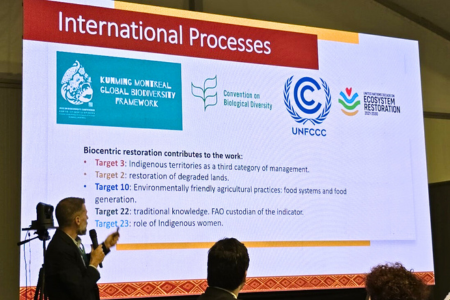
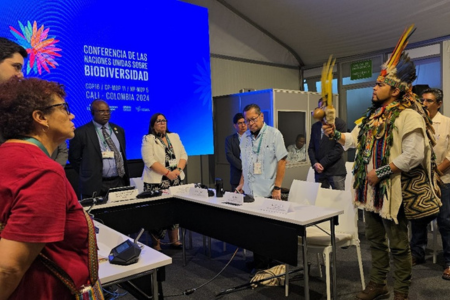
At the 16th Conference of the Parties (COP16) to the Convention on Biological Diversity (CBD) in Cali, Colombia, groundbreaking initiatives on Indigenous Peoples’ biocentric restoration were unveiled by the FAO in partnership with Costa Rica, Ecuador, Peru, Colombia, and Indigenous Peoples’ representatives.

The new initiatives aim to restore degraded ecosystems by putting Indigenous Peoples’ cosmogony, knowledge systems and traditional practices at the centre, in efforts to halt biodiversity loss and promote sustainable environmental management.


“The importance of incorporating Indigenous Peoples’ knowledge into environmental restoration cannot be overstated. Indigenous Peoples have been stewards of the land for millennia, and their territorial management practices offer valuable insights into how we can restore and protect biodiversity,” said H.E. Franz Tattenbach, Minister of Environment and Energy of Costa Rica. “Costa Rica is proud to be at the forefront, developing the world’s first National Plan on Indigenous Peoples’ Biocentric Restoration, which integrates Indigenous Peoples’ food and knowledge systems into national environmental strategies.

The Indigenous Peoples’ Biocentric Restoration programme, a collaboration between FAO and Indigenous Peoples’ leaders, is designed to restore ecosystems while respecting Indigenous Peoples' collective rights, spiritual beliefs and territorial management practices. The programme, initiated in 2019, emphasizes the critical role that Indigenous Peoples’ communities play in ecosystem restoration, not just as participants but as leaders in the process.


Ramiro Batzin, Co-Chair of the International Indigenous Forum on Biodiversity (IIFB), opened the session alongside Mr Godfrey Magwenzi, Director of the FAO Director General’s Office, to emphasize the importance of Indigenous Peoples’-led restoration initiatives.

“Science shows that by being holistic, Indigenous Peoples' food and knowledge systems are key to preserving and restoring the biodiversity and allies for the fulfilment of the Kunming-Montreal Global Biodiversity Framework’’, underlined Mr Magwenzi. FAO, together with Indigenous Peoples' organizations, has co-developed the Indigenous Peoples’ Biocentric Restoration approach, by centering Indigenous Peoples’ knowledge and cosmogony, and promotes the restoration of ecosystems through the strengthening of their food and knowledge systems.

“It is a pleasure for IIFB to host this event,” stated Ramiro Batzin, on behalf of the IIFB. “I would like to recognize the role of the Indigenous Peoples’ biocentric restoration approach at COP16. This approach has been presented and recognized at the TRɄA World Summit on Traditional Knowledge related to Biodiversity [that] we organized last August in Bogota, to prepare the negotiations at COP. At that Summit, we managed to bring together over 150 Indigenous Peoples’ leaders from all 7 socio-cultural regions, UN Agencies, government and key actors. These recommendations and presentations, including on biocentric, have been crucial for the work at the CBD COP16”.

Speakers recognized the relevance of the approach and the importance of the ongoing national plans. “This initiative is not just about restoring ecosystems; it’s about recognizing the rights of Indigenous Peoples and our role as custodians of the genetic diversity and nature. It’s a matter of justice, respect, and equity” said Mr Donald Rojas, President of the Mesa Nacional Indígena de Costa Rica (National Indigenous Platform of Costa Rica). “By integrating Indigenous Peoples’ cosmogony and knowledge, we can ensure that restoration efforts are effective and ensuring long-term sustainability for future generations. Through these kind of processes, we ensure the recognition of Indigenous Peoples as custodiams of biodiversity”.

Ms Nelly Paredes, Executive Director of the National Forest and Wildlife Service of Peru (SERFOR), reaffirmed Peru’s commitment to Indigenous Peoples’ biocentric restoration, highlighting efforts to develop a Regional Plan on Indigenous Peoples’ Biocentric Restoration in the Southern Andes. This plan will work in close collaboration with local governments and Indigenous Peoples’ self-governance authorities. “We are committed to restoring the Southern Andes together with Indigenous Peoples. A biocentric restoration regional plan is starting to ensure Indigenous Peoples’ knowledge is considered for the restoration and conservation with native species,” said Ms Paredes. “By involving Indigenous Peoples as implementers and partners in the conservation strategies, we are creating a powerful, sustainable biocentric plan for effective environmental restoration.”


Other nations, including Ecuador and Colombia, have also made significant strides in integrating Indigenous Peoples’ knowledge into restoration strategies. Ms Glenda Ortega, Undersecretary of Natural Heritage in Ecuador’s Ministry of Environment, Water, and Ecological Transition, shared the country’s work with the International Bamboo and Rattan Organization (INBAR) in Latin America to promote the use of native bamboo species for restoration in the Amazon basin.

Mr Pacha Kanchay, Spiritual Leader of the Organización Nacional Indígena de Colombia (ONIC), reaffirmed Colombia's commitment to initiate Indigenous Peoples-led restoration activities in their territories. “In Colombia, we are learning from the ancestral knowledge of Indigenous Peoples’ communities to address environmental challenges,” said Mr Kanchay. “The integration of our spiritual and cultural values into restoration practices will help us heal our lands and preserve our biodiversity for future generations.”


The Indigenous Peoples’ Biocentric Restoration Initiative includes the creation of “schools of life” to support intergenerational knowledge transmission; the establishment of community nurseries; and the careful consideration of species with ecological, spiritual, and medicinal value. These efforts emphasize the importance of respecting Indigenous Peoples' collective rights, including the right to Free, Prior, and Informed Consent (FPIC).

Yon Fernandez de Larrinoa, Head of FAO Indigenous Peoples Unit, explained the approach, welcoming the attendees to the high-level side event and reiterating the significance of these efforts in the global context. “Indigenous Peoples’ biocentric restoration is not just a solution for today, but a long-term strategy for planetary health,” said Mr Fernandez de Larrinoa. “It aligns directly with the goals of the UN Decade on Ecosystem Restoration and supports the targets of the Kunming-Montreal Global Biodiversity Framework.


The Initiative has already launched restoration efforts in Bolivia, Brazil, Colombia, Costa Rica, Ecuador, India, Nepal, Peru and Thailand. Future activities are planned for Kenya and the Democratic Republic of Congo.

As global environmental challenges continue to grow, the integration of Indigenous Peoples’ knowledge into biodiversity conservation efforts has become more urgent. The launch of the Indigenous Peoples’ Biocentric Restoration Initiative at COP16, dubbed “The COP of the People,” marks a crucial step towards ensuring that Indigenous Peoples’ rights and traditional ecological knowledge are prioritized in global biodiversity frameworks.

“Indigenous Peoples’-led restoration is not only an environmental imperative; it is a human rights issue,” concluded Mr Mariano Castro, from the Peace and Biodiversity Dialogue Initiative at the Secretariat of the CBD. “This initiative exemplifies how the world can work together to restore our ecosystems while honoring the rights of Indigenous Peoples and support the implementation of the CBD commitments,” he added.

Mr Pablo J. Innecken, FAO Officer for Biodiversity and Climate Change, thanked the speakers and participants at the event with the conclusion that Indigenous Peoples’ biocentric restoration, as an initiative rooted in the work of the UN Decade on Ecosystem Restoration, is aiming to support the implementation of targets 2, 3, 10 and 22 of the Kunming-Montreal Global Biodiversity Framework.

The event at COP16 marks a significant step forwards in global efforts to prioritize Indigenous Peoples’ rights and knowledge in biodiversity conservation, aligning with the commitment of CBD member states embodied in the adoption of the new Programme of Work on Article 8(j) and the creation of a Subsidiary Body to support the implementation of this Article.

quinta-feira, 6 de julho de 2023

Escaravelho cromado


Não, não é uma joia cromada, é uma maravilha da natureza: um inseto nativo da Costa Rica.

Este ser vivo único, com propriedades notáveis, ​​atrai o interesse de entomologistas e amantes de insetos em todo o mundo, graças à sua aparência incomum. Este escaravelho deslumbrante, Chrysina limbata distingue-se pela sua carapaça brilhante e cores metálicas, que o tornam uma verdadeira estrela entre os insetos.

Existem muitos escaravelhos com reflexos metálicos, mas este é único devido à sua aparência perfeitamente prateada que o faz parecer metálico! Você pensaria que estava coberto de prata ou mercúrio líquido, mas não, na verdade é um inseto da família dos Scarabaeidae que vive nas florestas tropicais da América Central e, particularmente, na Costa Rica e SE do México.

O físico William E. Vargas acredita que a aparência metálica pode agir como a água, aparecendo apenas como um ponto brilhante para os predadores. A floresta tropical da Costa Rica, onde vive C. limbata, tem água suspensa das folhas ao nível do solo. A luz é refratada em diferentes direções e permite que os escaravelhos metálicos enganem os predadores.

quinta-feira, 9 de setembro de 2021

The SECRET To Changing The World! (The Origin Of WRONGNESS) | Charles Eisenstein


Matemático formado pela Universidade Yale, o americano Charles Eisenstein escreve livros sobre economia que têm imagens idílicas na capa e nomes com clara inspiração na autoajuda – como O mundo mais bonito que nossos corações sabem ser possível, título de sua primeira obra em lançamento no Brasil. Eisenstein é um guru da "gift economy" – a oferta voluntária de bens e serviços, sem dinheiro envolvido nem expectativa de algo em troca. Em palestras ou no jornal britânico The Guardian, para o qual colabora desde 2012, o escritor torna-se mais ouvido conforme o modelo ocidental de sociedade entra em crise. "O normal já era", diz. "As pessoas não sabem o que fazer." Eisenstein veio ao país dar uma palestra no Sesc Vila Mariana, em São Paulo, no dia 22 de novembro.

ÉPOCA — Que respostas sua visão de economia sem dinheiro apresenta para a enorme massa de desempregados que se formou depois da crise de 2008?
Charles Eisenstein — Desemprego é inevitável em nosso sistema, especialmente quando o crescimento econômico desacelera. Sabemos que o crescimento econômico precisa desacelerar, neste planeta, porque um planeta finito não pode acomodar um crescimento infinito. Ao mesmo tempo, por causa de avanços na tecnologia, cada trabalhador se torna mais e mais produtivo. Então temos cada vez menos trabalhadores fazendo cada vez mais produtos. No velho sistema, no qual ainda estamos, a única solução é também consumir cada vez mais. Se o consumo crescer rápido o bastante, todo mundo pode se manter empregado. Ou pelo menos a maioria pode se manter empregada. Mas isso está se tornando cada vez mais difícil. Então muita gente está se tornando desempregada. Ao mesmo tempo, muita gente não está se sentindo atraída pelo tipo de emprego disponível. Quando as pessoas perdem seu acesso ao dinheiro – e no Brasil muitas nem sequer tiveram acesso ao dinheiro –, precisam encontrar outras formas de cuidar de si mesmas e umas das outras.

ÉPOCA — Que formas de convívio estão surgindo em torno da falta de dinheiro?
Eisenstein — As favelas são um pouco um resultado disso. Num arranjo engenhoso, seus moradores não precisam de dinheiro para cuidar uns dos outros, pois todos sabem como arrumar comida e erguer uma casa. Não sou um especialista em como isso ocorre em cada lugar. Mas vi ocorrer, por exemplo, no Morro Vila Progresso, em Santos. As pessoas lá são financeiramente pobres, mas vi crianças brincando felizes ao ar livre. Ninguém ali gastou dinheiro com babás ou recreadores. Vi líderes comunitários ajudando uns aos outros com projetos de obras. Ninguém ali contratou um empreiteiro. Vi gente tocando música e dançando ao ar livre. Ninguém ali pagou para ir a um show. Tudo isso é uma forma de "gift economy". Nos Estados Unidos, onde eu moro, não vejo isso. Lá, você atravessa bairros inteiros sem ver crianças brincando na rua. Elas estão dentro das casas, na frente de algum computador. Ou estão em alguma atividade organizada, pela qual têm de pagar. Tudo se torna um produto, tudo se torna um serviço pago. Assim, não há comunidade. Ninguém cuida do próximo. Os moradores de Vila Progresso são pobres em vários aspectos, mas muito ricos em outros. Cada criança lá conhece a história de cada vizinho. Havia lá um homem bêbado, andando torto e se comportando mal. Uma criança me disse que ele havia sido deixado pela mulher, e que aconteceu isso e aquilo... Há uma espécie de riqueza cultural ali. Na América, não sabemos a história de nenhum vizinho. Cada pessoa que vemos é uma estranha. Não nos sentimos em casa, porque não fazemos parte de uma matriz de histórias. Logo, ficamos famintos por encontrar sentidos para a vida. Nos tornamos consumidores de histórias de políticos e celebridades. Por isso o discurso de Donald Trump é tão poderoso para nós.

ÉPOCA — Como explicar a vitória de Donald Trump?
Eisenstein — Trump diz que a América pode ser grande de novo. Diz que imigrantes são culpados pela criminalidade. Dá explicações bem simples que servem para muitos buscarem algum sentido, num mundo que está desmoronando. Apela para a nostalgia, para o antigo modo de viver... Há 30 anos, 40 anos, um americano conseguia sustentar a família inteira com seu salário de operário de fábrica. Hoje, esses empregos se foram. As pessoas estão revoltadas. Querem culpar alguém. Donald Trump oferece a eles alguém para odiar. A esquerda americana, por seu lado, oferece outro rol de culpados para odiar: os eleitores de Trump, porque eles são racistas, sexistas, são gente terrível. Dos dois lados há a mesma estratégia: encontrar um inimigo e despertar tanta indignação quanto possível, para assim poder derrotá-lo. É uma mentalidade de guerra.

ÉPOCA — Por que o sonho americano parece tão distante hoje?
Eisenstein — O sonho americano está em declínio há algumas décadas. Creio que se deve a uma profunda falência de nosso sistema econômico. Ele só funciona quando há crescimento, mas estamos ficando sem espaço para crescer atualmente. Quando o crescimento desacelera, o capital não consegue encontrar investimento produtivo suficiente a fim de manter as lacunas preenchidas. O capital precisa extrair riquezas de outro lugar. Uma forma é forçar outros países, como o Brasil, a converter seus recursos naturais em produtos para exportação. Mas isso não basta mais para manter a máquina de crescimento, pois estamos enfrentando resistência política e limites ecológicos. A era da dominância americana, que permitiu sustentar nossa elite e ainda produzir excedentes suficientes para as classes trabalhadoras, acabou. Agora temos de escolher se vamos permitir a nossas elites tornar-se mais e mais ricas ou se elas terão de compartilhar com todo mundo. Mas nem temos mais uma cultura política na qual a elite possa compartilhar. Todo o nosso sistema tributário, nosso sistema bancário, tudo está voltado em favor do "1 por cento", da camada mais rica.

ÉPOCA — A revolta contra o "1 por cento" tornou-se politicamente insustentável?
Eisenstein — Sim. Se Hillary Clinton tivesse sido eleita, possivelmente teríamos pela frente quatro anos de mesmice, uma mesmice cada vez mais nociva às pessoas e ao meio ambiente. Agora, o normal acabou. O normal já era. E as pessoas não sabem o que fazer. Encontram-se num estado de trauma, de choque, de confusão. Ninguém sabe o que vem pela frente. As pessoas ainda não admitem que o normal acabou. Poderemos ter grandes mudanças políticas nos próximos dois ou três anos.

ÉPOCA — Algum país já encontrou saída para o impasse deixado por esse fim da normalidade?
Eisenstein — Não vejo nenhum país 100% bem-sucedido como modelo, mas alguns estão fazendo coisas admiráveis. Butão, na Ásia, ou Costa Rica, na América Central. O Brasil é muito rico. Vocês deveriam se perguntar por que há tanta pobreza aqui, em um país tão rico em recursos naturais. Todo mundo aqui deveria estar feliz e ter uma vida confortável. Mas vocês também são parte de um sistema que drena recursos da coletividade em favor de muito poucos.

ÉPOCA — Quais são as lições do Butão?
Eisenstein — Eles estão questionando o desenvolvimento econômico como um objetivo necessário e positivo. Estão pensando: "Em vez de buscar prosperidade, vamos buscar a felicidade nacional. Isso inclui algum desenvolvimento econômico, mas também desistir de certos desenvolvimentos. Não vamos nos lançar à agroindústria, por exemplo. Não vamos permitir turismo demais, por saber que isso drenaria parte da felicidade de nosso povo". Não quer dizer que a gente deva copiar o Butão, mas que podemos aprender com suas ponderações sobre o que é realmente bom. Vivemos sob a ideologia de que o desenvolvimento é uma força historicamente inevitável e positiva. Mas vemos hoje que, após muitas décadas de desenvolvimento na América do Sul, as pessoas não estão necessariamente mais ricas ou felizes em aspectos importantes. A ideologia diz: "Isso é porque vocês ainda não se desenvolveram o bastante. Se ainda não está funcionando, vá mais fundo, até se tornar uma América". Mas olhe para a América de perto. Ela parece próspera. Tem grandes casas, grandes estradas, grandes coisas. Mas a miséria, a solidão e a alienação dentro desses casarões, a depressão, a violência doméstica... Isso não é um modelo para o mundo. Se isso é o ponto de chegada do desenvolvimento, então precisamos nos desenvolver em outra direção. Numa direção que não leve a casas afastadas umas das outras, sem espaço público, onde é necessário dirigir de um canto a outro, onde tudo é ilegal, onde crianças não brincam ao ar livre. Esquecemos nosso instinto comunitário. Todas essas coisas nos tornaram a nação mais pobre do planeta. Não estou dizendo que os países devem continuar onde estão. Mas que eles devem questionar tudo.

quarta-feira, 7 de outubro de 2020

Counting the species: how DNA barcoding is rewriting the book of life


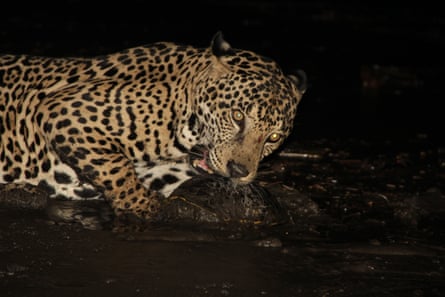
Guanacaste conservation area in north-west Costa Rica is the most DNA barcoded place on Earth. On its western frontier, jaguars hunt turtles from the mangrove swamps that line the Pacific coast. Endangered spider monkeys swing through dry tropical forest, the remnants of a rapidly disappearing ecosystem that once ran from northern Mexico to Panama.

On the slopes of volcanoes, the last before Lake Nicaragua to the north, rainforest covers the land. High on the volcanic peaks, cool, moist air brought by the Atlantic trade winds forms cloud forests. There is a lot of life to document in this world heritage site, which is roughly the size of New York City.

As the sixth mass extinction of life on Earth gathers pace, humanity can only manage a well-informed guess about the true magnitude of the loss. We have identified around 2 million species on the planet. We know their abundance has plummeted. But with estimates for the total ranging from 8.7 million to a trillion, we are still unable to answer a fundamental question: how many species are there on Earth?

Until recently, there was little hope of a quick solution to the so-called “taxonomic impediment”, the phrase used to describe our inadequate account of the world’s library of life and the scarcity of taxonomists. Detailed species knowledge was routinely lost when experts died. Most plants and animals that went extinct slipped away unnoticed and unrecorded, anonymous casualties of human overconsumption and overpopulation.

But that was before the invention of DNA barcoding. In 2003, Canadian scientist Paul Hebert published a study claiming to have developed a technique that could identify and differentiate between all animal species on Earth. Using common moths collected in his own backyard, he successfully identified 200 closely related species using the mitochondrial gene cytochrome c oxidase I (COI), which is present in all aerobic life.

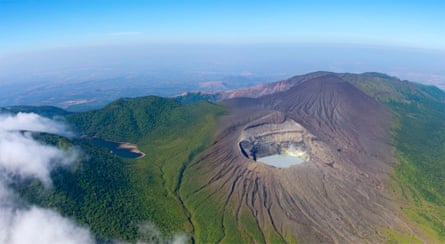
Rincon de la Vieja volcano, the highest point in Área de Conservación Guanacaste (ACG), home to cloud forests and a variety of wildlife. 

Hebert, known primarily for his expertise in water fleas at the time, had cracked it. The short genetic sequence would serve as a DNA barcode for all animals, separating species by their genetic divergence. An equivalent section of DNA could be used to discriminate between plants and fungi. Museum collections could be identified, too. Barcoding was also cheap. All he needed now was $1bn to identify the millions of animals unknown to science, a fraction of the cost of the International Space Station or the Human Genome Project, the paper concluded. But Hebert’s study was not met with universal acclaim.

“I was surprised. I had anticipated harsh criticism from morphologists. But I had not expected critiques from my peers in evolutionary biology,” Hebert recounts. He was accused of acting like a “creationist”. Others said his findings were uninteresting.

But nearly two decades later DNA barcoding has become mainstream. In August, Hebert, a professor at the University of Guelph in Ontario, was awarded the prestigious Midori prize for creating “a research alliance which is revolutionising our understanding of planetary biodiversity”.

DNA barcoding has been used to track the illegal trade in wildlife and plants, monitor water quality and even uncover the sale of endangered sharks in fish and chips. The technique has unmasked so-called cryptic species that were identified as one animal by traditional taxonomic approaches but are in fact many distinct creatures that appear the same to the human eye.

So far the reference library of species overseen by the International Barcode of Life (iBOL), where Hebert is the scientific director, numbers around 750,000 species. Last year the group launched a $180m project to barcode two million more species around the world, approximately the total number of flora and fauna already described using traditional taxonomy. While estimates for the number of plants, animals and fungi species range from eight to 20 million, insects are believed to account for a huge number of undiscovered species. Around $60m has been raised for the project so far.
Benefits

The benefits of knowing the Earth’s library of life are not limited to understanding the extent of biodiversity loss. Discoveries in medicine, agriculture, food, engineering and even beauty products are hidden in the genomes of the species that will be barcoded. A complete library of life could underpin food distribution networks, allow a smartphone attachment to identify any piece of organic material on Earth and integrate natural history into the social, cultural and economic fabric of society.

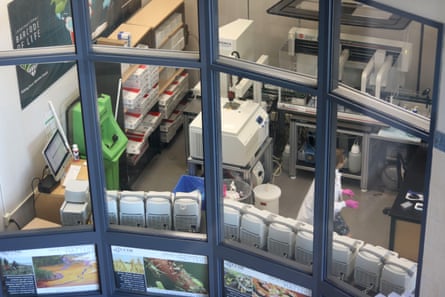
Inside the Centre for Biodiversity Genomics’ DNA extraction lab, part of the University of Guelph’s International Barcode of Life consortium. 

Now Hebert has turned his attention to the creation of a global biosurveillance system underpinned by barcoding that will continuously monitor the planet and check the health of global ecosystems in near real time. A network of satellites, underwater drones and DNA sequencers would patrol Earth, alerting scientists and governments to any dangerous changes, intercepting new diseases and highlighting harmful human activity. He estimates it would cost $1bn over 20 years.
Every species, that’s a book of life, and it’s about 10 times bigger than the longest book ever written by any humanProf Paul Hebert

There are good reasons to create such a system. Compared with the atmospheric monitoring infrastructure and billions of research money for combating the climate crisis, the resources dedicated to measuring the ongoing biological annihilation of life on Earth are pitiful. The tale of our heating planet is based on more than 150 years of weather records, while it is not uncommon for studies on insect collapse to be based on figures compiled by amateur entomologists.

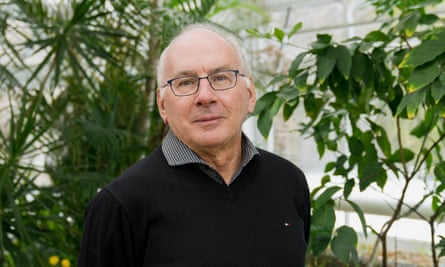
Prof. Paul Hebert, the ‘father of DNA barcoding’

“It’s a million centuries between every mass extinction event and we’re living in the century that brings the next one,” Hebert says. “We’re talking about the irrevocable loss of knowledge on the largest scale ever experienced by humanity – driven by humanity. Because every one of those genomes and every one of those species: that’s a book of life, and it’s about 10 times bigger than the longest book ever written by any human. So I think history will indict us severely for allowing this erosion of knowledge on an absolutely unprecedented scale.”
Pioneers

Guanacaste conservation area World Heritage site (ACG in its Spanish acronym) exists largely thanks to a lifetime of work by University of Pennsylvania professors Daniel Janzen and Winnie Hallwachs. Dan and Winnie, as they are known to everyone, split their lives between Philadelphia and a forest cabin in Santa Rosa national park, which is part of the ACG. They immediately understood the potential of Hebert’s innovation and are the major drivers behind Costa Rica’s bid to become the most extensively barcoded country on Earth with a new project: BioAlfa.

“For me, the invention of DNA barcoding is easily as significant as the discovery of DNA,” Janzen says as we sit outside their forest home. “And you could even go further back to some bigger discovery that we’ve had – the microscope, for example.” The 81-year-old evolutionary ecologist is a generational talent in his field, recipient of the Crafoord prize and a MacArthur fellow. His peers also admire his bravery, hard work and excellent salesmanship.

BioAlfa aims to systematically record and describe all of Costa Rica’s biodiversity, with barcoding at its heart. In 2019, President Carlos Alvarado Quesada designated the scheme of national importance, but it still needs $100m to make its goals a self-sustaining reality. While temperate countries have launched similar schemes, the sheer abundance of life in the tropics makes BioAlfa a completely different challenge.

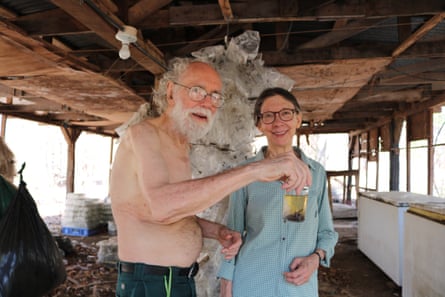
Daniel Janzen and Winnie Hallwachs in an outhouse filled with samples near their cabin in the ACG. Janzen is holding a jar of insects that will be DNA barcoded in Canada. 

The Central American country is home to an estimated 4% of the world’s biodiversity. Coexistence with nature is part of Costa Rica’s essence and it promotes ambitious decarbonisation plans and wields international influence in the environmental arena. Overcoming the taxonomic impediment within its borders by identifying and understanding all of its flora and flora would be an unprecedented achievement. Hebert has reserved half of his barcoding capacity for BioAlfa this year.

Janzen began documenting life in the dry tropical forests of northern Costa Rica after collecting leaves to feed Rufus, an excitable teenage tapir, in the mid-70s. The pig-like herbivore had been orphaned and entrusted to friends, surviving on scraps from the kitchen table. But Rufus was no longer welcome at dinner after he learned that a swift tug on the tablecloth would bring a feast crashing to the floor.

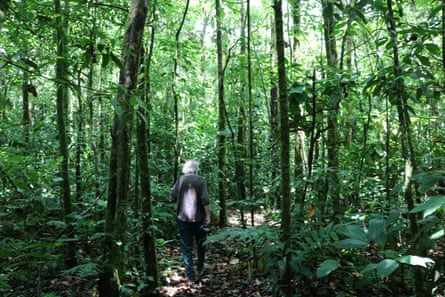
Daniel Janzen walks through rainforest in the ACG

“When he was banished outside, I came to the question of what kinds of leaves he would eat,” Janzen says, chuckling as he recounts the tale.

Janzen drove to the forest of Santa Rosa national park, which now forms part of the ACG, and filled plastic bags with an array of leaves for Rufus. But when he returned to the corral, he realised he could not identify the leaves the grateful tapir was devouring. So he returned to Santa Rosa with a botanist and spent the next six months identifying the plants in the forests. Then he moved on to insects.

‘Butterfly factories’
A network of malaise traps, moth lamp stations and rearing barns – jokingly known as “butterfly factories” to those who work in them – has been established across the different ecosystems to record insect life. The painstaking research will help make a global biosurveillance system possible but it needs to be conducted everywhere.

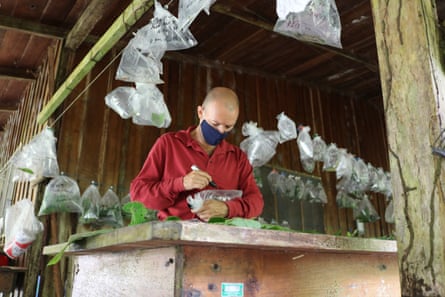
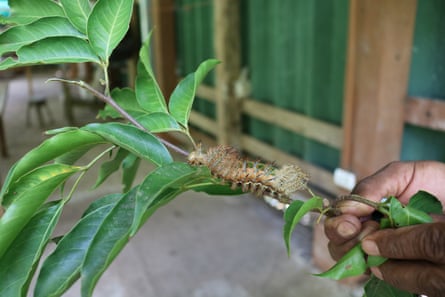
A former water buffalo shed is filled with carefully organised rows of plastic bags, each containing a caterpillar feasting on leaves from the nearby rainforest. Osvaldo, a former shark fisherman and field assistant to the couple for 30 years, is holding a hungry caterpillar hidden under a leaf. The insect will be carefully reared and ultimately sent to Canada for DNA barcoding analysis in Hebert’s lab once it has completed its life cycle.

The caterpillar is a chaotic creature that writhes in the light when Osvaldo turns over the leaf, the end of its body quivering like the rattle of a poisonous snake. Its shades of brown and beige combine like a cubist artwork. Barcoding might show it is a new species.

A parataxonomist monitors the health of caterpillars in a butterfly-rearing barn in the ACG.
 
“There are much bigger ones than that,” Osvaldo tells me, disappearing back into the lines of plastic bags.

The next caterpillar is huge, covered in orange and blue spikes. It makes a low-level, muttered clicking sound as Osvaldo strokes its back. We cross to the other side of the rearing barn to inspect pupae undergoing their final stage of development. Osvaldo delights in the range of chrysalis shapes and colours.

But not all become butterflies and moths. The bags filled with dead pupae are moved to another line in the barn. From them, parasitoids emerge from eggs that were laid inside the unsuspecting hosts they have slowly devoured.

In the main building on a hill above the rearing barn, Gloria, another parataxonimist, shows me photos of how the pupae are changed by the parasitoids. Some look like they’ve been stuffed with polystyrene. Others look normal apart from small groups of black bubbles on the pupa. Sometimes flies emerge from them, sometimes wasps.

Gloria is carefully inspecting glass jars filled with the parasitoids’ pupae, inputting information about the host specimen they emerged from and taking photos. They, too, will be sent for DNA barcoding to better understand the web of life in the ACG.

Osvaldo, a parataxonomist, holds a caterpillar that was collected from the nearby rainforest. 

The results of this process have been astonishing. Almost 200 new parasitoid wasp species were discovered where only three had previously been described. At least 3,000 more species have been barcoded and are awaiting the attention of a taxonomist to formally introduce them to science.

While the thrill of discovery is an end in itself, the library of species that BioAlfa will help create will also be of economic importance. A DNA barcode is just a way to identify an organism but the genome – its entire sequence – can prove lucrative: the basis for new discoveries in medicine, agriculture, food and beauty.

Alongside conservation and sustainability, sharing the benefits from genetic resources is the third and often ignored pillar of the UN convention on biological diversity which will hopefully produce the “Paris agreement for nature” in 2021. Developing countries, which are normally the most biodiverse, want just payment for the riches that might hide in their ecosystems.

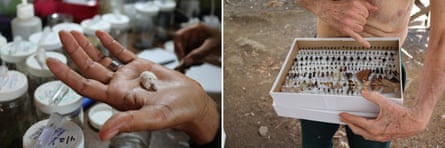
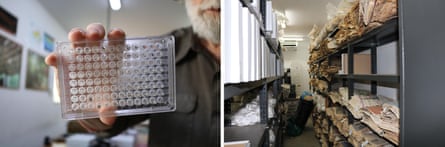
Clockwise from top left: Parataxonomist Gloria holds a larva killed by parasitoids; Janzen points to a box of dried and preserved insects; boxes of insect and plant samples collected in the ACG for analysis; Janzen holds insect leg samples that will be sent for DNA barcoding analysis in Canada. P

Janzen and Hallwachs, alongside the Costa Rican government, are well aware of this issue and the potential economic benefits of BioAlfa. Anyone who spends long enough with Janzen will see his trusty comb emerge from his back pocket – the beginning of a story about the future of being able to identify any organism anywhere with a device that connects to an iPhone. Using a sensor the size of a comb, he says, farmers will be able to calculate the economic cost of cutting down rainforest for cattle or monoculture crops by rapidly checking areas for potential discoveries.

Costa Rica already has had early success bioprospecting. South of the ACG is the Nicoya peninsula, one of the four blue zones on Earth where humans routinely live above the age of 100. In 2017, Chanel launched its Blue Serum skincare range, which uses ingredients from here. Antioxidants from the region’s green coffee were used and the Costa Rican government received payment. BioAlfa’s library of life might bring many more paydays.
Unknown extinctions

Heading out into the dry tropical forest a short drive from Janzen and Hallwachs’ cabin, we inspect the number of moths that have emerged in the first few weeks of the rainy season.

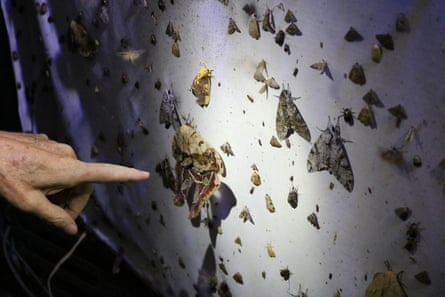
To the untrained eye, the hundreds of insects on the white sheet in the darkness overwhelm and exhilarate in equal measure. Moths the size of birds flutter around my head, brushing my ears, legs and every uncovered body part. Geckos lurk on the corner of the sheet picking off the smaller moths. Mexican burrowing toads belch in unison in the valley below the lamp station. But the couple are quick to temper my naive exuberance.

There used to be many more, Hallwachs quietly assures me as we stand with the darkness at our backs, looking at the spectacular display. “There are all kinds of species missing,” she says.

The next day Janzen shows me a picture of the same light station in 1984 – it is barely possible to see the white linen under the layer of moths.

Daniel Janzen points to a large moth at a lamp station in the dry tropical forest in the ACG. 


As Hallwachs shows me to my room on the first night of my second visit to the park, I point through stormy weather conditions to fireflies blinking around the trees. It is a species of firefly that only appears in the first few weeks of the rainy season, she says.

“Firefly numbers are going down around the world. And they’re not nearly as abundant as they used to be. But they are magical. They’re totally magical,” she says, as we crouch together in the rain admiring them.
We have endangered species eating endangered species to keep themselves goingDaniel Janzen

The ACG is marked by human extraction: scar marks on the chicle trees, which were targeted in the second world war to provide chewing gum; stumps of mahogany, still rock solid decades after they were felled; the mangrove forest that was cut down for textile dye. All are indicators of the overconsumption driving biodiversity loss around the world.

On my final day with the couple, they indulge my interest in the beach on the western flank of the ACG, which might have the largest concentration of jaguars in Central America. In the middle of another rainy season storm, Janzen stops the 4x4 we are travelling in to explain why.

“When I got here in about 1971, I met an old jaguar hunter who hunted with dogs. And he said to me, not bragging, just matter-of-factly, that he normally got five to six jaguars per year out of this valley. So a few years later, I’m exploring this valley for caterpillars and all that. And I look around me as a hunter, as somebody who understands wild food. And I say to myself, ‘no way does this valley support five to six jaguars a year’.

“Years later, a biologist named Luis Fonseca started studying the nesting of sea turtles on this beach down here. And right away he discovered the jaguars were killing the sea turtles – not the eggs – but the whole adult.

A jaguar gnaws on a recently-killed freshwater turtle on Nancite Beach. 

“There are four species of turtles that nest on this beach. Two are regular all year round. So there’s the food! We have endangered species eating endangered species to keep themselves going.”

There used to be more of everything, everyone is certain, but quantifying what else might be slipping away is hard when there are millions of species left to document. Maybe DNA barcoding can rectify that.

quarta-feira, 4 de setembro de 2013

Filme - Bioma Dance


PT
A companhia de dança Capacitor filmou este vídeo na Floresta Nuvem de Monteverde na Costa Rica em 2007 com o apoio da Dra. Nalini Nadkarni, ecóloga e investigadora de florestas tropicais. Direção Artística de Jodi Lomask. Fotografia de Daniel Zox. Direção de filme de Amy Harrison.

EN
Capacitor dance company shot this video in the Monteverde Cloud Forest of Costa Rica in 2007 with the support of Dr. Nalini Nadkarni, forest canopy scientist. Artistic Direction by Jodi Lomask. Photography by Daniel Zox. Film Direction by Amy Harrison.