Mostrar mensagens com a etiqueta CDC. Mostrar todas as mensagens

sábado, 29 de novembro de 2025

Velas perfumadas emitem tantas toxinas causadoras de cancro quanto fumaça de diesel e cigarros


As pessoas usam velas perfumadas há anos tentando mascarar odores desagradáveis ​​em suas casas. Eles são essenciais quando se tenta relaxar e descontrair após um longo dia de trabalho.

Embora possam parecer seguras, velas perfumadas regulares são na verdade uma importante fonte de poluição do ar em ambientes fechados. A baixa qualidade do ar interno pode contribuir para condições agudas como cancro e asma. (1)

De acordo com Anne Steinemann, especialista em poluentes ambientais, certas velas podem emitir vários tipos de produtos químicos potencialmente perigosos, como benzeno e tolueno ( 2 ). Eles podem perturbar o sistema nervoso, causar danos ao cérebro e pulmões, além de causar problemas no desenvolvimento.

“Ouvi de várias pessoas que têm asma que elas nem podem entrar em uma loja se a loja vender velas perfumadas, mesmo que não estejam sendo queimadas”, disse Steinemann. “Elas emitem tanta fragrância que podem desencadear ataques de asma e até enxaquecas”.

Então, se você está se perguntando, ‘as velas perfumadas são tóxicas?’ você pode marcar essa pergunta com um grande sim.

Por que as velas perfumadas são perigosas?
Você pensaria que o único perigo de queimar uma vela perfumada seria o risco de um incêndio. Embora seja uma razão válida, os perigos mais imediatos incluem:

• Inalação de fumaça de vela
• Inalação de fumos de fragrâncias por derretimento de cera de vela
• Inalação de vapores que compõem a maior parte da vela à medida que ela derrete

Um estudo conduzido por cientistas da Universidade de Copenhague, realizado com ratos, descobriu que a exposição a partículas da queima de velas causa danos maiores do que a mesma dose de fumaça de escapamento de diesel. A inalação da fumaça da vela levou a efeitos na saúde, como inflamação e toxicidade pulmonar, arteriosclerose e efeitos do envelhecimento nos cromossomas nos pulmões e no baço.

Queimar velas em casa leva a um aumento da poluição do ar interior, com velas perfumadas representando um risco ainda maior. Na Dinamarca (onde queimar uma vela é tão comum quanto comer uma refeição), a pesquisa mostrou que 60% das partículas ultrafinas são provenientes da queima de velas.

Embora a fumaça das velas seja prejudicial aos pulmões, é exacerbada ainda mais quando as fragrâncias são adicionadas. A composição estrutural das velas (feitas de parafina ou de outro tipo de cera) também determinará seus níveis de toxicidade.

Um estudo realizado pelo Departamento de Engenharia Civil e Ambiental da Universidade Hanyang examinou se a quantidade de toxinas variava com a fragrância, com base em seis aromas diferentes. Velas perfumadas, acesas ou não, contêm compostos orgânicos voláteis (COV), que podem ser incrivelmente tóxicos quando inalados.

Eles descobriram que, quando uma vela era acesa, o formaldeído estava na maior concentração dentre os COV emitidos. Como sabemos, o formaldeído é listado como um composto perigoso e os seus vapores são considerados altamente tóxicos ( 4 ).

Os aromas que emitiram as maiores concentrações de formaldeído foram os seguintes (ppb = partes por bilião):

• Morango: 2098 ppb
• Algodão limpo: 1022 ppb
• Sem formatação: 925 ppb

Os Centros de Controle e Prevenção de Doenças (CDC) afirmam que “os efeitos agudos e crónicos do formaldeído na saúde variam de acordo com o indivíduo. O limiar típico para o desenvolvimento de sintomas agudos devido ao formaldeído inalado é de 800 ppb; no entanto, indivíduos sensíveis relataram sintomas em níveis de formaldeído em torno de 100 ppb ( 5 ). ”

Outro estudo realizado por pesquisadores da Universidade Estadual da Carolina do Sul ( 6 ) testou velas de parafina à base de petróleo e velas à base de vegetais que não eram perfumadas, não pigmentadas e livres de corantes.

As velas à base de vegetais não produziram poluentes nocivos, no entanto, as velas de parafina “lançaram substâncias químicas indesejadas no ar… para uma pessoa que acende uma vela todos os dias durante anos ou apenas as usa com frequência, inalação desses poluentes perigosos que flutuam no ar. O ar pode contribuir para o desenvolvimento de riscos à saúde, como cancro, alergias comuns e até asma ”, disse o professor Ruhollah Massoudi.

Além disso, um estudo divulgado pela EPA em 2001 descobriu que velas com mais fragrância produzem mais fuligem. A agência sugere a escolha de velas sem perfume para reduzir esses restos de detritos.

Advertências sobre formaldeído
O CDC possui avisos e recomendações para a exposição ao formaldeído em casa. Recomenda-se aos proprietários de imóveis que parem a exposição, principalmente quando houver indivíduos com asma, idosos ou crianças pequenas presentes na casa.

A exposição a curto prazo ao formaldeído libertado pelas velas resulta nos seguintes sintomas:
– Olhos lacrimejantes e ardentes
– Queimação na garganta e nariz
– Náusea e / ou vômito
– Sibilos e / ou tosse
– Queima de pele e / ou irritação

A exposição prolongada a produtos químicos encontrados nas velas também pode causar câncer nas passagens nasais e, pior ainda, leucemia. A inalação consistente de produtos químicos encontrados nas velas também pode levar ao comprometimento cognitivo e a certos tipos de demência.

Todas as velas são tóxicas?
Felizmente, nem todas as velas são tóxicas. De facto, existem muitas ótimas alternativas que não envolvem o uso de produtos petrolíferos nocivos.

O maior problema com as velas é a cera tóxica e a fragrância usada em sua formulação.

Velas perfumadas feitas de parafina – um subproduto do petróleo – libertam fuligem cancerígena quando queimadas. A fuligem também pode causar problemas respiratórios e agravar as condições daqueles que já têm problemas de asma, pulmão ou coração.

Velas mais antigas também costumavam ser construídas com pavios feitos de chumbo.

Se você ainda está preocupado, no entanto, existe uma maneira fácil de testar se o pavio contém chumbo. Basta esfregar o pavio de uma vela não queimada em papel branco. Se o pavio deixa uma marca cinza como lápis, há chumbo nele. Se não houver cinza, está tudo bem.

Infelizmente, muitas velas comuns são feitas de parafina porque são mais baratas que outros tipos de cera. A parafina também cria uma fragrância com cheiro mais forte que as ceras naturais.

Mas se você realmente quer uma vela que dure muito e cheira incrível, use cera de abelha!
Embora você precise pesquisar um pouco mais e pagar um pouco mais por uma vela de cera de abelha natural, os benefícios valem a pena!

segunda-feira, 11 de dezembro de 2023

Hoje celebramos o Dia Internacional da UNICEF


Com mais de 75 anos de história e presença em mais de 190 países e territórios, a UNICEF é a principal organização de defesa e promoção dos direitos das crianças.
Das situações de emergência à construção de um futuro melhor, levamos ajuda humanitária, educação, saúde, proteção e, acima de tudo, esperança a milhões de crianças em situações de vulnerabilidade.


A UNICEF (United Nations Children's Fund - Fundo das Nações Unidas para a Infância) é um órgão da Organização das Nações Unidas (ONU) que tem como objetivo fomentar a defesa dos direitos das crianças e contribuir para o desenvolvimento destas. Ela rege-se pela Convenção sobre os Direitos da Criança, lutando por um mundo melhor para as crianças, que são o futuro da humanidade. 

Celebra-se a dia 11 de dezembro o Dia Internacional da UNICEF pois foi neste dia que se fundou este organismo, em 1946. Na sua origem esteve o desejo de ajudar as crianças europeias que sentiram na pele a crueldade da 2ª Guerra Mundial. Hoje em dia a UNICEF está em 193 países e territórios do mundo, tendo a sua sede em Nova Iorque.

Neste dia pode informar-se sobre a UNICEF e sobre a defesa das crianças, assim como pode fazer um donativo à UNICEF. Este órgão depende inteiramente de contribuições voluntárias, não recebendo qualquer financiamento da ONU.

quinta-feira, 26 de maio de 2022

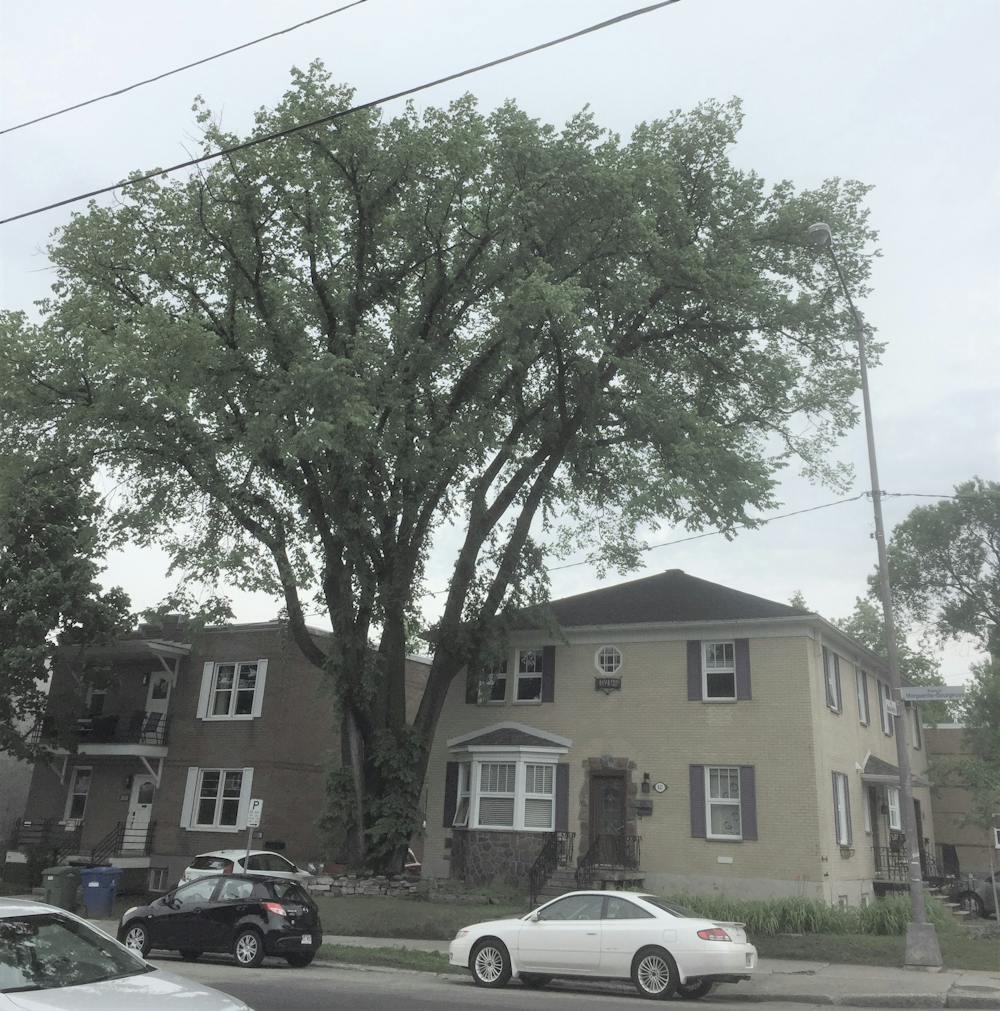
Large trees are essential for healthy cities


Trees are important elements of our urban landscape. With more than 50 per cent of the world’s population living in cities, it is impossible to imagine cities without the many services and benefits trees provide to residents and ecosystems.

We saw evidence of this when COVID-19 measures were the most restrictive: urban park use increased dramatically. This is no coincidence. The presence of trees promotes both physical and mental health, which is one of the main reasons city dwellers felt the need to spend time in green spaces.

The trees we encounter every day on private property, on streets or in parks also contribute many environmental and climate regulation benefits, including the mitigation of city noise, capturing carbon and slowing water infiltration rates into soils.

Although a city’s total tree stock plays a role in the quality and quantity of ecosystem services, not all trees have the same characteristics or the same capacity to provide ecosystem services. So it is important to ask which trees are the most effective in delivering these benefits, why and what practices would promote such services?

We are part of the Research Chair on Urban Trees and their Environment at Laval University, which aims to find solutions to help the long-term survival of trees in urban environments.

In general, large trees have a better capacity to capture carbon from the air and store it, reduce atmospheric pollution and prevent stormwater runoff.

Trees with a larger trunk diameter have a greater woody biomass (amount of wood), which allows them to store more carbon than smaller trees. Similarly, trees’ ability to intercept precipitation and air pollutants increases with greater canopy size (the tops of dominant trees) and total leaf area (the total area of all leaves), which are both associated with greater overall tree size. As a result, larger trees are generally more effective than smaller ones at providing essential regulating services for urban environments and, especially, in a changing climate.

Planting large tree species also has significant economic benefits. One study reports that the annual net benefit of planting large tree species is 44 per cent higher than that of a medium tree species and 92 per cent higher than that of a small tree species.

The same study found it takes less than five years for the net benefits of these trees to outweigh the net costs. This can be explained in part by the fact that large trees increase real estate prices and land values, in addition to reducing energy costs for heating and cooling by regulating the microclimate.

However, the limited available overhead or underground space in urban areas means it is not always possible to plant large trees. In these conditions, smaller trees can also make an significant contribution.

Large trees play a critical role in the delivery of ecosystem services. But the ability to deliver these services is conditional on one thing: the trees must be in good condition. Those in poor condition have less capacity to deliver ecosystem services, since poor conditions impede growth, slow carbon sequestration and can also lead to canopy die-back.

In urban settings, hostile environments can impede the growth and proper development of trees. Lack of space for the root system, soil compaction, limited soil moisture, use of de-icing salts and air pollution challenge the survival of young planted trees. In view of this, several management practices have been developed to encourage the growth and development of trees. Here are some examples:
  1. Plant the right tree in the right place. For example, some tree species are better adapted to certain climates or more tolerant than others to limited amounts of space. There are guides available for planting choices that are based on environmental characteristics, including soil conditions.
  2. Avoid frequent pruning of large trees, which significantly reduces the leaf area and woody biomass of individual trees. One of the keys to reducing the need for pruning is to choose a tree species that is adapted to a given location.
  3. Formally recognize the value of ecosystem services provided by large trees in order to introduce policies that support their conservation.
The importance of concrete actions
Although large trees are generally more effective than small ones in providing certain ecosystem services, in the context of a changing climate, and where forest resilience is paramount, it is important not to put all our eggs in one basket and exclusively plant large tree species.

In fact, at the forest scale, some characteristics are positively correlated with the production of ecosystem services, including vertical heterogeneity (the amount of vegetation strata, ranging from flowering plants to dominant trees) and shrub diversity, which is the number of different species present.

Finally, the key things to remember are that large trees are extremely important, and that we benefit from efforts to preserve them. Moreover, planting large tree species should be encouraged, since there’s a tendency to plant small species in cities. Concrete actions can be taken right away to get the most out of urban trees now and over the long term.

It is up to us to make them happen!

quarta-feira, 10 de novembro de 2021

Urban trees: more than just a pretty face


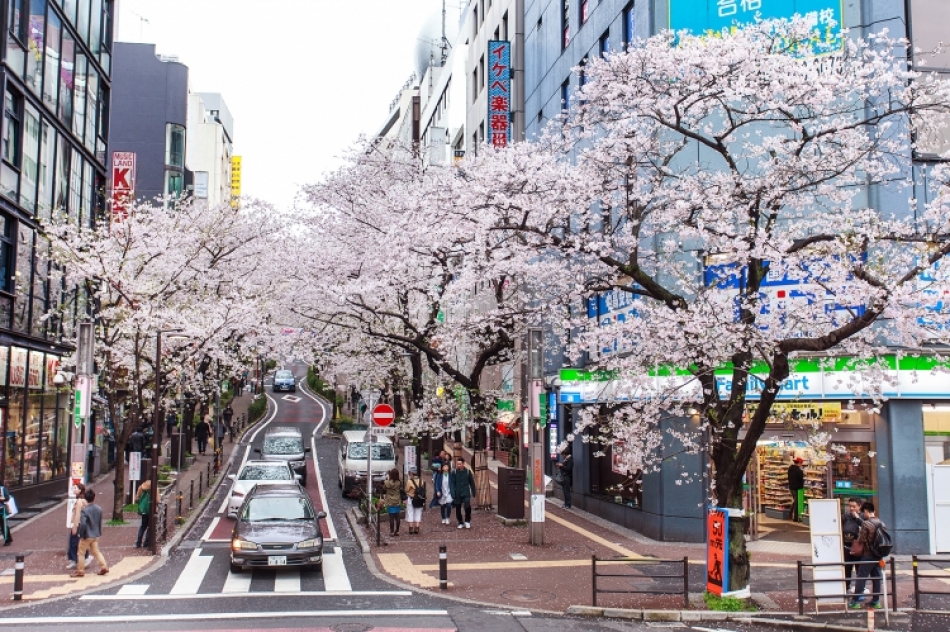
Green spaces don’t exist just to beautify urban areas. Trees are the lungs, liver and beating heart of the world’s cities, and they are fundamental to creating healthy, liveable and sustainable cities around the globe.

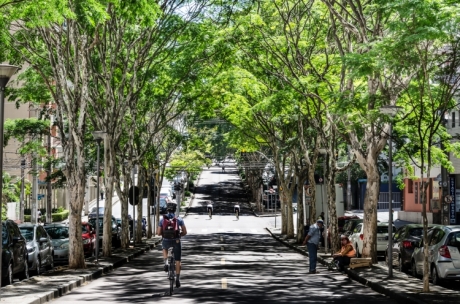
Trees are an important way to mitigate climate change and improve air quality, making cities healthier places to live in. They’re also critical for places with warm climates. In fact, strategic placement of trees in cities can help to cool the air between two and eight degrees Celsius, making that sticky urban heat just a little more bearable. Large trees are also excellent at absorbing pollutant gases and filtering fine particulates such as dust, dirt or smoke out of the air by trapping them on leaves and bark.

And they’re not just good for the environment – they have positive effects on us humans too. Research shows that living close and having access to green spaces can improve physical and mental health by decreasing high blood pressure and stress, for example.

For all these reasons, it is vital that modern urban planning takes trees seriously. That’s why FAO and the Arbor Day Foundation started the Tree Cities of the World programme, a collaborative effort to encourage cities and towns around the globe to invest in, properly maintain and sustainably manage urban forests and trees. 2019 was the first year of eligibility for this worldwide initiative and 68 cities from 17 countries were recognised for their commitment to urban forestry. The programme has since almost doubled and now includes 120 cities from 23 countries.

Here are some of innovative, inspiring initiatives put in place by four Tree Cities:

Birmingham, United Kingdom
Over the last couple of decades, Birmingham has moved from an industrial city to a green beacon of modern urbanity. It became a Tree City in 2019.

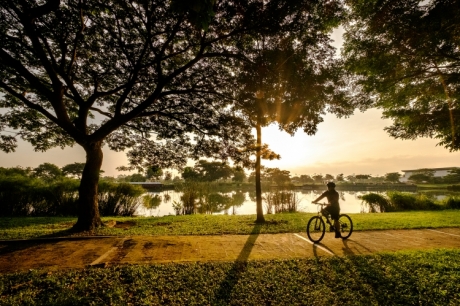
The local government’s “Route to Zero” plan aims to make the city a net zero carbon emitter by 2030. It has focused on creating green corridors and green infrastructure within Birmingham. An example of this is Cole Valley, a park, cycle route and natural space alongside the river, encouraging walking and cycling as part of residents’ commutes.

Alongside this, the “Route to Zero” plan included a project that mapped the city’s tree cover, essential for lowering its summer temperatures. It was found that whilst some areas had canopy cover of 40 percent, some had as little as 10 percent. The council is now focusing on planting trees and creating green spaces across all city districts to get as much of the city as possible up to at least 25 percent canopy coverage, which is the minimum needed to realise heat-reduction benefits.


Tree canopy coverage keeps city temperatures down, and green corridors and bike paths encourage sustainable transport. Left/top: ©FAO/Fabio Lopoes Right/bottom: ©FAO/Klienne Eco


Campo Grande, Brazil
Campo Grande, a city in west central Brazil, became a Tree City in 2019.

Over the last years, the city’s Urban Forestry Programme has been planting trees to protect watercourses and improve canopy cover over pavements and pedestrian areas.

The programme is using afforestation to reduce the city’s atmospheric, noise and visual pollution to promote a better quality of life for its inhabitants and help maintain local biodiversity. In fact, Campo Grande is renowned for its diverse wildlife, even being granted the title of National Capital of Birdwatching Tourism. It is a gateway to the Pantanal, a seasonally flooded grassland dotted with woodlands, home to a vast array of birds, including the jabiru stork and hyacinth macaw, and mammals, such as the giant otter and jaguar.

Kampala, Uganda
Kampala became a Tree City in 2021 due to its commitment to planting trees, boosting green spaces and creating a more sustainable urban environment.

The Kampala City Council now has a designated ‘Landscape Section’, dedicated to managing urban tree planning through a team of landscape architects, quantity surveyors and environmentalists. In the last few years, two new parks have opened, the Chwa II Children’s Park and Nakawa Park in the business district of the city. Overall, 8 000 trees have been planted through the Kampala Goes Green campaign, encouraging residents to donate or plant a tree across the city.

The city also held a Running Out of Trees 330-kilometre relay race to raise awareness for tree planting and guard against illegal tree cutting. The route started in Kampala and ended in Gulu city, with trees planted at every relay handover point.

Trees aren’t just beautiful, they have positive effects on humans too. Having access to green spaces can improve physical and mental health! ©FAO/Klienne Eco


Hyderabad, India

Hyderabad was crowned a Tree City in 2020 thanks to the local government’s effort to improve green cover across Telengana state. Since 2015, the state has planted 2.2 billion saplings and is on its way to meeting its target of 2.3 billion saplings by the end of 2021. A total of 109 urban forest parks are being developed, of which 53 have already been completed.

The local government also runs programmes designed to make the villages and towns around Hyderabad clean and green too, providing households with saplings to plant and manage.

FAO and the Arbor Day Foundation are connecting cities around the world in a network dedicated to reinforcing the most successful approaches to managing urban trees and forests. Why not let your local council know about the Tree City programme?

Learn more

sexta-feira, 1 de junho de 2007

Dia Mundial da Criança - Cidades Amigas das Crianças

A rua é das crianças


(Finalmente) Portugal vai ter 13 cidades amigas das crianças

(...) Espanha já conta com 49.Uma cidade amiga das crianças ouve as suas opiniões e deixa-se influenciar por elas.Possibilita-lhes a participação na vida da sociedade. Garante-lhes serviços básicos de saúde e educação.E também água potável e um ambiente não poluído (...) Para a UNICEF o bem estar das crianças é o indicador decisivo para um habitat saudável e para uma sociedade democrática e bem governada. in  UNICEF - Programa Cidades Amigas das Crianças

Saiba mais em Child Friendly Cities