Mostrar mensagens com a etiqueta Tornados. Mostrar todas as mensagens

segunda-feira, 18 de maio de 2026

Trump cuts to weather data could make forecasts less reliable, warn experts


As the US prepares for hurricane season and a summer of record-breaking heat, experts fear the Trump administration’s cuts to climate and weather data programming could make the federal government’s weather forecasts less reliable when they are needed most.

The National Oceanic and Atmospheric Administration (Noaa) late last year launched a suite of artificial intelligence-powered global weather forecast models which it said would improve “speed, efficiency, and accuracy”. In March, an agency official said those models were being trained with centuries of weather data.

Artificial intelligence is a valuable tool for weather prediction, but only when it is well-trained with ample data, said Monica Medina, who served as Noaa’s principal deputy undersecretary of commerce for oceans and atmosphere from 2009 to 2012.

Under Trump, climate and weather data collection has declined, said Medina. This year, the Trump administration proposed a modest budget increase for the National Weather Service, but a 40% cut to Noaa overall.

“We absolutely need AI to help us crunch the data faster and to make sense of more and more data that we can collect,” said Medina, who under Joe Biden also served as assistant secretary of state for oceans. “But right now, what we’re doing is cutting back the data collection … we’re going in the wrong direction.”

In an emailed comment, Erica Grow Cei, a National Weather Service spokesperson said: “Despite the misinformation circulating about missing weather and climate data, there is, in fact, a wealth of weather data collected each day, from satellites in space, to a network of weather balloons, to buoys in the ocean, and land-based sensors.”

But widespread reports show staffing cuts have forced Noaa’s National Weather Service to scale back satellites and balloon launches, key parts of the country’s data collection system. And shrunken climate programs threaten ocean buoy networks and other observation systems, experts say. Research into effects of the climate crisis on Earth’s systems is also being slashed, along with funding for researchers who analyze data and identify new sources.

“Weather times time equals climate,” said Craig McLean, Noaa’s former acting chief scientist and head of Noaa Research. “Cutting climate research impacts the skill of our weather forecast, and it arrests our advancement of weather forecasts.”

Those impediments are coming as the US is preparing for more extreme weather. A “super El Niño” is expected to spike temperatures, smash heat records nationwide and may boost hurricane activity in some regions.

Noaa will issue its outlook for the 2026 Atlantic hurricane season on Thursday.

‘A climate that no longer exists’
For decades, scientists used traditional physics-based models to predict future weather conditions, using complex mathematical equations to simulate the dynamics at work in the atmosphere. New AI-based models instead identify patterns in decades of historical data to forecast weather outcomes.

That new technology uses less computing power than traditional models – which must run thousands of mathematical equations to work – and has been found to outperform traditional models for some aspects of weather forecasting. But it also seems to have major shortcomings, experts have found.

Crucially, when it comes to predicting extreme weather events, new models still “underperform”, according to an April study published in Science Advances. Because their forecasts are based on past weather events, the authors found, they seem to have trouble simulating the record-breaking weather events that are becoming increasingly common amid the climate crisis, instead tending to predict weather more similar to historical events.

Traditional physics-based models don’t have this problem, because they assess and predict the weather outcomes that certain physical conditions yield.

“They don’t really care if there’s a different situation than we’ve seen before, because they can understand based on a rules-based [analysis] what will happen tomorrow,” said Sebastian Engelke, a professor at the University of Geneva who co-authored the study.

Chris Gloninger, a forensic meteorologist who in 2023 received death threats after speaking about the climate crisis on television, likened the problems with AI-powered models to the ways other kinds of infrastructure struggles to manage a world experiencing global warming.

“You have infrastructure systems in this country that are built on having a steady or static climate, and we know that that’s not the case as extremes are increasing,” he said.

Like stormwater systems that were not designed to keep up with climate-fueled heavy rainfall events or roads that were not designed to withstand climate-fueled extreme heat, “the AI weather models were trained on a climate that no longer exists”, Gloninger said.

This problem already has real-world implications, said Gloninger, noting that conventional models outperformed AI-based ones when forecasting a historic February 2026 blizzard in the north-eastern US.

If the government scales up its reliance on AI-powered models while reducing the amount of data that powers them, that problem could compromise federal forecasts, said Gloninger.

“It’s kind of a snowball effect,” he said. “You need accurate data for inputs for our forecast models, but we’re running on less data currently with this current administration.”

Long before Trump re-entered office, the National Weather Service had faced decades of understaffing. Recent cuts have exacerbated the problem, Gloninger said.

Noaa has not wholesale switched to AI forecasting. Instead, it says it is employing more artificial intelligence in its ensemble models, which blend multiple techniques to produce a range of probable outcomes. Cei said Noaa’s new AI-powered model suite is “an addition to our stable of weather models, not a replacement”, adding that it was “built on data” from the agency’s flagship physics-based Global Forecast System model.

But Gloninger said he was still concerned that rolling any AI technology into federal models could raise problems, particularly amid cuts to weather data collection and climate research.

“There could still very much be issues when you have a component of artificial intelligence that isn’t really trained when it comes to extreme weather and climate,” he said.

Neil Jacobs, current Noaa administrator, is “probably one of the pre-eminent modeling scientists”, said John Sokich, a former director of congressional affairs for the National Weather Service.

“I don’t believe he would rush implement something that has not been tested,” said Sokich.

But though Jacobs is “committed to advancing weather forecasting”, Jacobs is also “a Trump appointee who must back the Trump budget or leave his job”, said McLean. The administrator defended Trump’s Noaa cuts at a House environment subcommittee hearing in April, McLean noted.

“I don’t think Dr Jacobs would be in a rush to be replacing capacity with AI that’s not ready yet,” he said. “But at the same time, the man has demonstrated his willingness to be obedient to the president who appointed him [and who is] destroying the National Oceanic and Atmospheric Administration.”

Weather forecasts serve “indispensable” practical functions, powering early disaster warnings, enabling safe aviation and shipping, and helping officials optimize sectors of the economy from energy production to agriculture, said Medina. Less accurate forecasting could pose dangers to Americans, she said.

“Weather forecasts are vital to our economy, to our health, and to public safety,” she said.

terça-feira, 28 de novembro de 2023

Climate change is a multidimensional phenomenon


Climate change is a multidimensional phenomenon. As such, no single metric can capture all trajectories of change and associated impacts. While numerous metrics exist to measure climate change, they tend to focus on central tendencies and neglect the multidimensionality of extreme weather events (EWEs). EWEs differ in their frequency, duration, and intensity, and can be described for temperature, precipitation, and wind speed, while considering different thresholds defining “extremeness.” We review existing EWE metrics and outline a framework for classifying and interpreting them in light of their foreseeable impacts on biodiversity. Using an example drawn from the Caribbean and Central America, we show that metrics reflect unequal spatial patterns of exposure across the region. Based on available evidence, we discuss how such patterns relate to threats to biological populations, empirically demonstrating how ecologically informed metrics can help relate EWEs to biological processes such as mangrove recovery. Unveiling the complexity of EWE trajectories affecting biodiversity is only possible through mobilisation of a plethora of climate change metrics. The proposed framework represents a step forward over assessments using single dimensions or averages of highly variable time series.

quarta-feira, 27 de setembro de 2023

Capitalismo ou Humanidade


Por Jorge Bateira, 15 de Março de 2021
Durante milénios, as sociedades humanas mantiveram sistemas produtivos cujo impacto na biosfera tinha uma escala compatível com os seus mecanismos regeneradores. Porém, com o advento e a expansão do capitalismo, ocorreu uma ruptura Histórica em diferentes domínios. Karl Polanyi, um nome incontornável da Economia Política do século XX, explicou-nos o essencial: ao transformar (em larga medida) o trabalho, a moeda e a natureza em mercadorias, o capitalismo criou um enorme potencial de crescimento económico. A riqueza produzida cresceu exponencialmente, o que permitiu a alguns países alcançar, em poucas décadas, um nível de bem-estar inédito na História. Porém, tal sucesso teve custos que não podem ser ignorados. A exploração dos seres humanos destruiu milhões de vidas, da escravatura às guerras, criou pobreza em larga escala e de ordem estrutural, gerou desigualdades chocantes e lutas de classes que dilaceram sociedades, promoveu guerras locais e empurrou milhões de pessoas para a emigração intercontinental. A criação de moeda pelos bancos, e a sua aplicação em activos para uso especulativo, produziu sucessivas crises financeiras de consequências devastadoras para as sociedades. O crescimento industrial, alimentado pelo consumo de massa – ele mesmo objecto da manipulação pelo marketing –, foi sustentado pela extracção desenfreada de combustíveis fósseis, pela transformação do solo agrícola e da floresta em agro-negócio global, e pela degradação dos solos e da água com a utilização de produtos químicos, para além da acumulação de gases, resíduos tóxicos e produtos não recicláveis.

A lógica do lucro comanda o capitalismo e o motor da sua expansão é o continuado crescimento do consumo. Porém, este permanente crescimento económico colide com a finitude dos recursos naturais que até agora o sustentou e, ao mesmo tempo, colide com a capacidade do planeta para absorver os desequilíbrios que lhe são infligidos. Há quem defenda que o capitalismo pode adaptar-se e continuar a crescer, sobretudo através dos serviços, utilizando proporcionalmente menos recursos materiais. Contudo, a investigação mais recente não sustenta esta tese e conclui que o “crescimento verde” é uma ilusão.[1]

Na realidade, o que temos pela frente é uma trajectória que, se nada de radical for feito, conduzirá ao colapso das condições de vida na Terra. A comunidade científica tem vindo a produzir documentos de alerta sobre a gravidade da situação em que nos encontramos, com destaque para as consequências calamitosas de um aumento da temperatura média global do planeta que ultrapasse os 2 ºC por comparação com a do início da Revolução Industrial. Isto implica uma travagem drástica das emissões de gases com efeito de estufa, ou seja, emissões nulas ou mesmo negativas (por recurso a diversas formas de captura do carbono) até ao final do século XXI. Em 2017, mais de 15 000 cientistas de 184 países produziram um sério aviso à Humanidade. Face à predação dos recursos do planeta, a comunidade científica afirmou que estamos a caminho de “miséria em larga escala e de uma catastrófica perda de biodiversidade.” Um aspecto poucas vezes mencionado é a natureza cumulativa das emissões de carbono. O que determinará a futura temperatura global, e as decorrentes alterações climáticas do planeta, é a acumulação das emissões passadas, das presentes, e as dos próximos anos. Portanto, não basta neutralizar as emissões de carbono dos países ditos desenvolvidos, é preciso travá-las à escala global, o que coloca o gravíssimo problema da reconversão dos modelos de desenvolvimento industrial nos países ‘emergentes’, e noutros que legitimamente pretendem alcançar melhores condições de vida.

Apesar da gravidade do que está em causa, os avisos dos cientistas ainda são formulados numa retórica de grande contenção para evitar questionar os fundamentos do sistema económico que, sendo a causa dos males do planeta, também lhes financia a investigação e o emprego. Nos documentos oficiais, as análises são quase sempre sujeitas a uma ‘edição’ que suaviza os termos mais fortes e procura preservar a teoria económica dominante que fundamenta as políticas económicas do capitalismo.[2]

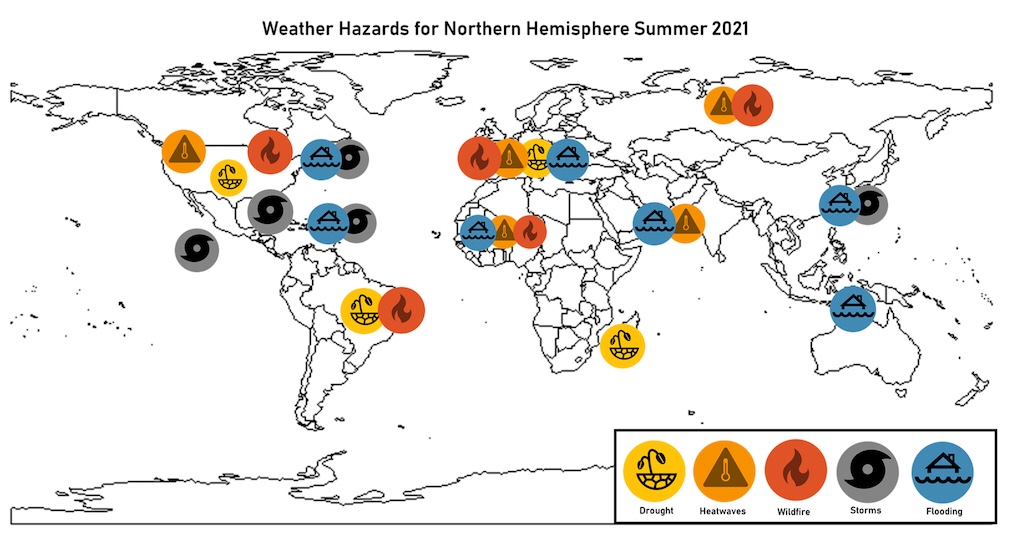
Contudo, a devastação produzida pelo ciclone Idai em África (Moçambique, Zimbabwe e Malawi), as inundações com perdas da produção agrícola na Guatemala, Honduras e El Salvador, assim como a recente onda de calor na Europa, seguida do degelo na Gronelândia, os fogos na Rússia e no Ártico, e os furacões devastadores nos EUA – apenas alguns episódios de uma lista que poderia ser muito longa –, constituem fenómenos com impacto relevante para questionar políticas ambientais que não incomodam o sistema económico-financeiro predador do planeta.

Face à gravidade da situação, seria de esperar que os media ocupassem uma parte significativa do seu tempo a discutir as causas das alterações climáticas, a eficácia e o grau de cumprimento dos acordos internacionais, e a escala das mudanças a realizar na produção e na logística das actividades económicas, assim como o nível e a estrutura do consumo actual, incluindo o turismo por via aérea. Porém, a comunicação social de grande alcance, a dos canais de televisão, apenas responde ao que dá rendimento publicitário. O tema das alterações climáticas não é comercialmente interessante, e até pode ser incómodo para alguns anunciantes que contribuem significativamente para o problema que enfrentamos. Exibe-se a tragédia humanitária mas silencia-se a discussão séria das causas estruturais dos desastres ambientais.

Se pensarmos bem, não é difícil perceber o interesse das grandes empresas na manutenção do caminho para o abismo que estamos a percorrer. A cotação das suas acções na bolsa depende em boa parte das expectativas de crescimento da economia, sendo este em larga medida sustentado pelo crescimento do consumo, o que exige a exploração dos recursos finitos e a degradação do planeta. Há aqui um conflito de interesses e uma real ameaça à democracia. Os decisores políticos estão sujeitos a uma enorme pressão das empresas no sentido de manterem uma política de mudanças leves que não ponham em causa o status quo. Como alguns cidadãos já perceberam, este crescimento económico e financeiro só pode ser mantido através de uma poderosa rede comunicacional que seja eficaz na alienação das populações através do entretenimento vazio, e alimente a ilusão de que, através de alguns investimentos em energias renováveis, temos boas perspectivas para uma trajectória sustentável. Difundem um cenário de resolução do problema pela via do mercado das emissões e pela inovação tecnológica que está em curso. Através de um ‘crescimento verde’, o capitalismo reinventar-se-ia e a crise ambiental desapareceria.

Na verdade, apenas uma transformação profunda deste sistema económico pode evitar o colapso da Humanidade. Isso implica grandes mudanças nos padrões de consumo, grandes mudanças nos sistemas agrícolas, grandes mudanças no sentido da desglobalização comercial (os transportes aéreo e marítimo são uma grande fonte de emissões) e, ainda mais importante, uma mudança no que entendemos por desenvolvimento. Para além de um dado limiar de consumo frugal, as políticas públicas deverão promover a busca do sentido da vida através da criação de tempo/espaço favorável a relacionamentos humanos de qualidade, uso de serviços e equipamentos públicos, fruição da natureza, investimento pessoal na organização e nas actividades da comunidade a que pertencemos, intervenção em diferentes níveis de debate e decisão no quadro de uma democracia participativa, em complemento de uma renovada democracia representativa, etc. Uma nova macroeconomia focada no pleno emprego, no desenvolvimento regional e local, na justiça social, e no respeito pelos limites e equilíbrios do planeta terá de informar as políticas económicas.

De facto, confrontados com um enorme risco de sobrevivência da Humanidade, bloqueados pelos interesses instalados que insistem no caminho para o desastre, enfrentando o silêncio cúmplice dos media que anestesiam os cidadãos, só nos restam a mobilização através dos media alternativos, e a realização no espaço público de acções mediáticas que abram caminho a novas iniciativas políticas. Por imperativo moral, o silêncio não é uma opção. A ideologia e o sistema de interesses que comandam as nossas vidas obrigam-nos a escolher: ou o Capitalismo, ou a Humanidade.
 
[1]Schroder, E. e Storm, S. (2018), Why “Green Growth” Is an Illusion. 

[2]Anderson, K. (2015), On the duality of climate scientists. Disponível em: 

segunda-feira, 25 de julho de 2022

Maioria dos países não está preparada para as alterações climáticas, diz estudo

Grandes economias mundiais, como são os casos da Índia, Brasil e Rússia, vão enfrentar crises “em cascata” impulsionadas pelas mudanças climáticas, como insegurança alimentar, escassez de energia e agitação civil, segundo apontou um estudo da Verisk Maplecroft, empresa inglesa de consultoria estratégica e de risco global.


Embora se preveja que as nações em desenvolvimento e África e do Sudeste Asiático sejam as mais afetadas pelas temperaturas mais altas, clima extremo e aumento do nível do mar, algumas nações de médio rendimento não têm infraestrutura e liberdade legislativa para acompanhar as mudanças climáticas. E, conforme a Europa vai contabilizando o custo de outra onda de calor recorde, a análise mostrou como mesmo nações com tipicamente poucas crises relacionadas ao clima vão precisar de se adaptar à medida que as temperaturas globais aumentam.

O estudo analisou o desempenho dos países em 32 questões estruturais – incluindo eventos relacionados ao clima, estabilidade política, poder económico, segurança de recursos, pobreza e direitos humanos – para avaliar a capacidade de cada nação de gerir crises. Depois, dividiu os países em três categorias: “isolados”, “precários” e “vulneráveis”.

Sem surpresa, as nações mais ricas tiveram um bom desempenho e foram consideradas as mais isoladas contra choques climáticos graças a uma combinação de boa governação, poder de compra e infraestrutura robusta.

As nações em desenvolvimento foram consideradas principalmente na categoria vulnerável por não terem essas salvaguardas. Vários países de médio rendimento, incluindo Índia, Indonésia e África do Sul, se enquadram nesse grupo.

“Os baixos níveis de investimento na análise dos riscos secundários mostram que a maioria dos países está quase totalmente despreparada para lidar com os impactos políticos, económicos e de desenvolvimento mais amplos de um planeta em aquecimento”, indicou o estudo.

Will Nichols, chefe de clima e resiliência da consultoria Verisk Maplecroft, que conduziu a avaliação, garantiu que as maiores surpresas estavam na categoria intermediária – ou “precária” – que continha potências como Brasil, México, Rússia e Arábia Saudita.

“Uma pequena mudança pode cair para esse grupo inferior e temos visto a erosão das proteções ambientais e sociais sob a presidência de Jair Bolsonaro. Na Rússia, a infraestrutura do Ártico será prejudicada pelo aquecimento e será possível ver um líder como Putin apontar o dedo para outros grupos e tentar expandir o seu território”, referiu Nichols.

Embora seja uma economia do G20, o México caiu na categoria precária em grande parte devido à sua proximidade com as nações da América Central e do Sul, como a Venezuela, que enfrentam perturbações extremas relacionadas ao clima, particularmente na forma de migração em massa. “Esses riscos não são contidos por limites políticos, vão transbordar”, disse Nichols, indicando: “Mesmo que tenha a sua casa em ordem, se o seu vizinho for um caso perdido isso pode prejudicar seriamente a sua capacidade para se proteger.”

Nichols garantiu que a onda de calor mortal desta semana na Europa é a prova de que mesmo os países ricos precisam levar em consideração as mudanças climáticas em futuras decisões de negócios e Governo. “A escala da ameaça climática não está a diminuir – obviamente terá um enorme impacto”, disse.

sábado, 4 de junho de 2022

Carbon Dioxide Levels Are Highest in Human History


The amount of planet-warming carbon dioxide in the atmosphere broke a record in May, continuing its relentless climb, scientists said Friday. It is now 50 percent higher than the preindustrial average, before humans began the widespread burning of oil, gas and coal in the late 19th century.

There is more carbon dioxide in the atmosphere now than at any time in at least 4 million years, National Oceanic and Atmospheric Administration officials said.

The concentration of the gas reached nearly 421 parts per million in May, the peak for the year, as power plants, vehicles, farms and other sources around the world continued to pump huge amounts of carbon dioxide into the atmosphere. Emissions totaled 36.3 billion tons in 2021, the highest level in history.

As the amount of carbon dioxide increases, the planet keeps warming, with effects like increased flooding, more extreme heat, drought and worsening wildfires that are already being experienced by millions of people worldwide. Average global temperatures are now about 1.1 degrees Celsius, or 2 degrees Fahrenheit, higher than in preindustrial times.

Growing carbon dioxide levels are more evidence that countries have made little progress toward the goal set in Paris in 2015 of limiting warming to 1.5 degrees Celsius. That’s the threshold beyond which scientists say the likelihood of catastrophic effects of climate change increases significantly.

They are “a stark reminder that we need to take urgent, serious steps to become a more climate-ready nation,” Rick Spinrad, the NOAA administrator, said in a statement.

Although carbon dioxide levels dipped somewhat around 2020 during the economic slowdown caused by the coronavirus pandemic, there was no effect on the long-term trend, Pieter Tans, a senior scientist with NOAA’s Global Monitoring Laboratory, said in an interview.

The rate of increase in carbon dioxide concentration “just kept on going,” he said. “And it keeps on going for about the same pace as it did for the past decade.”

Carbon dioxide levels vary throughout the year, increasing as vegetation dies and decays in the fall and winter, and decreasing in spring and summer as growing plants absorb the gas through photosynthesis. The peak is reached every May, just before plant growth accelerates in the Northern Hemisphere. (The North has a larger effect than the Southern Hemisphere because there is much more land surface and vegetation in the North.)

Dr. Tans and others at the laboratory calculated the peak concentration this year at 420.99 parts per million, based on data from a NOAA weather station atop the Mauna Loa volcano in Hawaii. Observations began there in the late 1950s by a Scripps Institution of Oceanography scientist, Charles David Keeling, and the long-term record is known as the Keeling Curve.

Scripps’s scientists still make observations at Mauna Loa under a program run by Dr. Keeling’s son, Ralph Keeling. Using that independent data, which is similar to NOAA’s, they calculated the concentration at 420.78.

Both figures are about 2 parts per million higher than last year’s record. This peak is 140 parts per million above the average concentration in preindustrial days, which was consistently about 280 parts per million. Since that time, humans have pumped about 1.6 trillion tons of carbon dioxide into the atmosphere.

Poor U.S. performance. The Environmental Performance Index, published every two years by researchers at Yale and Columbia, found that the United States’ performance on combating climate change had declined in relation to other countries — largely as a result of Trump-era policies.

Hurricane season. The National Oceanic and Atmospheric Administration expects an “above normal” Atlantic hurricane season this year. If that plays out, it would make 2022 the seventh consecutive year with an above-normal season.

Extreme heat. Global warming has made the severe heat wave in Pakistan and India — now in its third month — hotter and much more likely to occur in the future, according to scientists. The researchers said that the chances of a heat wave in South Asia like this one have increased by at least 30 times since preindustrial times

Warming oceans. A new study found that if fossil fuel emissions continue apace, warming waters could trigger ocean species loss by the year 2300 that is on par with the five mass extinctions in Earth’s past. But reining in emissions now could drastically reduce those extinction risks, researchers found.

To reach the Paris Agreement target of 1.5 degrees Celsius, emissions must reach “net zero” by 2050, meaning sharp cuts, with any remaining emissions balanced out by absorption of carbon dioxide by the oceans and vegetation. If the world approached that target, the rate of increase in carbon dioxide levels would slow down and the Keeling Curve would flatten out.

If emissions were completely eliminated, Dr. Tans said, the Keeling Curve would start to fall, as the oceans and vegetation continued to absorb the existing carbon dioxide from the air. The decline in atmospheric concentration would continue for hundreds of years, although progressively more slowly, he said.

At some point an equilibrium would be reached, he said, but carbon dioxide concentrations in both the atmosphere and oceans would be higher than preindustrial levels and would remain that way for thousands of years.

Over such a long time scale, sea levels could rise significantly as polar ice melts and other changes could take place, like the conversion of Arctic tundra to forests.

“It’s that long tail that is really worrisome to me,” Dr. Tans said. “That has the potential to really change climate.”


Learn More About Climate Change

If you struggle to understand the science behind climate change, let us walk you through the basics.


Get your children invested, by talking to them about our warming planet, and what we can all do about it.

In the climate debate, the science is clear, and the language is anything but. These are the buzzwords to know.

How good are you at making choices that are good for the planet? This quiz will tell you.

Do airline climate offset programs really work? There’s good news, and bad.

terça-feira, 1 de fevereiro de 2022

Desastres naturais impactam a saúde mental a longo prazo


Há quem acredite que o que não nos mata, torna-nos mais fortes, no entanto, este estudo vem comprovar que nem sempre esse é o caso. Uma investigação da Escola de Saúde Pública da Universidade A&M do Texas indica que a exposição repetida a grandes desastres naturais piora a saúde mental.

As regiões da Costa do Golfo dos Estados Unidos estão mais expostas a estes fenómenos. O Estado do Texas tem experienciado, nos últimos 20 anos, vários desastres naturais, entre eles furacões, secas e cheias – um total de 33 definidos como “grandes desastres” pela Agência Federal de Gestão de Emergências. Além disso, a região também sofreu situações de emergência, como explosões e libertação de produtos químicos em estabelecimentos industriais.

Os cientistas decidiram avaliar os impactos destes acontecimentos nos habitantes de Houston, quer a nível de saúde mental, quer a nível físico. As respostas demonstraram que a maioria dos inquiridos esteve exposto a vários eventos perigosos nos últimos 5 anos, prevalecendo os furacões e as cheias (96.3%), os incêndios industriais (96%), o derrame de produtos químicos (86%) e os tornados (79%). Nas pessoas que assistiram a dois ou mais desastres, os níveis de saúde mental desceram notavelmente, em comparação aos níveis esperados a nível nacional.

“A saúde mental é frequentemente negligenciada na preparação e na resposta a exposições de risco. No entanto, para alcançar os esforços de resiliência em comunidade, as condições mentais precisam ser tidas em conta”, explica Garett Sansom, autor principal do estudo.

Os investigadores consideram que devem haver ações de intervenção na saúde pública, direcionadas especialmente às comunidades mais vulneráveis, de forma a garantir a saúde mental.

quarta-feira, 17 de novembro de 2021

Impacto do comércio sobre o meio ambiente depende da estrutura de cada país, diz OMC

Fluxos tornaram o mundo mais vulnerável a choques, mas também mais resistente, defende entidade


Em relatório divulgado nesta terça-feira (16), a OMC (Organização Mundial do Comércio) afirma que a abertura comercial pode aumentar ou diminuir o desmatamento, a depender da estrutura institucional do país.

Segundo o Relatório Mundial de Comércio 2021, mudanças induzidas pela abertura comercial nos preços relativos podem levar a mais investimentos e exportações sem levar à sobre-exploração de recursos naturais, desde que existam políticas de gestão coletiva de recursos eficientes.

Para a OMC, restringir o comércio na presença de instituições fracas pode ter efeitos contraproducentes, devido à criação de mercados paralelos. O relatório cita como exemplo um estudo sobre efeitos das restrições ao comércio de mogno na Amazônia brasileira, que teria gerado um mercado ilegal e aumento da violência na região.

Sobre as mudanças climáticas, a entidade diz que o aumento do comércio internacional não levará necessariamente a mais emissões. O comércio às vezes pode reduzi-las, diz a entidade, se o impacto negativo do produto doméstico for superior ao do produto importado somado às emissões do transporte.

Um estudo citado mostra que, no geral, o comércio beneficia o meio ambiente nos países mais ricos, considerando aqueles que fazem parte da OCDE (Organização para a Cooperação e Desenvolvimento Econômico), e tem efeito contrário naqueles menos desenvolvidos.

Além disso, o comércio pode permitir a incorporação de tecnologias verdes nos processos de produção.

"Considerando os diferentes efeitos, o impacto geral do comércio sobre as emissões provavelmente será mínimo, e a chave para enfrentar a mudança climática é permitir o comércio de bens e serviços ambientalmente corretos, ao mesmo tempo que se limite o impacto negativo do comércio e das barreiras comerciais", diz o relatório.

Segundo outro estudo citado, na maioria dos países, as tarifas de importação e barreiras não tarifárias são substancialmente mais baixas para indústrias "sujas", que emitem maiores quantidades de CO2, do que as indústrias mais limpas.

"Essa diferença na política comercial cria um subsídio implícito às emissões de carbono e contribui para as mudanças climáticas", diz a OMC.

No relatório, a entidade defende que as relações comerciais tornam o mundo mais vulnerável a choques, como desastres naturais e aqueles causados pelo homem, mas também faz com que os países sejam mais resistentes a eles.

Assim, políticas que buscam reduzir a integração comercial, promovendo autossuficiência, podem muitas vezes ter efeito oposto, reduzindo a resiliência da economia.

A OMC afirma, por exemplo, que a mobilidade humana e animal relacionada ao comércio pode ajudar na propagação de epidemias. O isolamento dos países e a restrição das relações comerciais, no entanto, podem não ser a melhor forma de evitar o problema, segundo a instituição.

A OMC diz, por exemplo, que a menor exposição à mobilidade internacional pode resultar em outros problemas durante as pandemias. Países mais isolados podem desenvolver menor imunidade cruzada para reduzir os danos de novas doenças transmissíveis.

Além disso, a exposição à mobilidade internacional provavelmente permitirá que os países desenvolvam rendas mais altas, sistemas de saúde mais fortes e maior capacidade de inovação, o que pode reduzir os danos relacionados à pandemia, diz a OMC.

A entidade diz ainda que será necessário fortalecer a resiliência da economia mundial nos próximos anos por meio de uma maior abertura.

"Embora a OMC já contribua para a resiliência económica de maneiras importantes, ela pode e deve fazer mais, à medida que enfrentamos um futuro de crescentes riscos e desastres naturais e provocados pelo homem", diz a diretora-geral da instituição, Ngozi Okonjo-Iweala, no documento.

Segundo a diretora-geral, as negociações em andamento na OMC sobre serviços, investimento, agricultura, comércio eletrônico e micro, pequenas e médias empresas podem criar mais oportunidades para o comércio inclusivo e diversificação, tornando as economias mais resistentes no futuro.

"A cooperação internacional revigorada, não um recuo para o isolacionismo, é o caminho mais promissor.

sexta-feira, 15 de outubro de 2021

The climate crisis is destroying the human rights of those least responsible for it


The UN must urgently appoint a special rapporteur on climate change and human rights to galvanise action on the biggest threat to fundamental freedoms.

By Patrick Verkooijen and AK Abdul Momen

Climate breakdown is making a mockery of human rights.

Start with the most fundamental right of all: the right to life, liberty and security. Two million people have died as a result of a five-fold increase in weather-related disasters in our lifetimes. And given that 90% of these deaths have occurred in developing countries, which have contributed the least to global heating, the climate crisis is also making a mockery of the notion that we are all born equal – as the UN Declaration of Human Rights and numerous national constitutions assert.

Next, consider other fundamental freedoms, such as the right to work, to an education, to own property. These too are being undermined by the climate emergency. UNHCR, the UN refugee agency, estimates that 21.5 million people are displaced by climate change-related disasters every year – more than twice the number of those forced to flee conflict or violence.


Rights that most of us take for granted – the right to nationhood, for example – could soon be denied to citizens of island nations if rising sea levels continue unchecked.

The climate crisis is setting back the clock on human progress. More than 2 billion people live in countries with high exposure to climate-related hazards.Their capacity to recover when disaster strikes is limited. And when those affected are refugees and displaced populations, the impact is simply heartbreaking. When flooding and landslides struck the Rohingya refugee camps in Bangladesh this summer, thousands of people relived the nightmare of losing everything and being displaced yet again.


We believe it’s time to train the spotlight on the impact our climate emergency is having on human rights. It may sound obvious, but it is not happening.

Take the reality of climate refugees. At present, neither they nor environmental migrants nor environmentally displaced people are recognised by the 1951 UN Convention on Refugees. They are not entitled to even the minimum protection accorded under international human rights law. This must change.

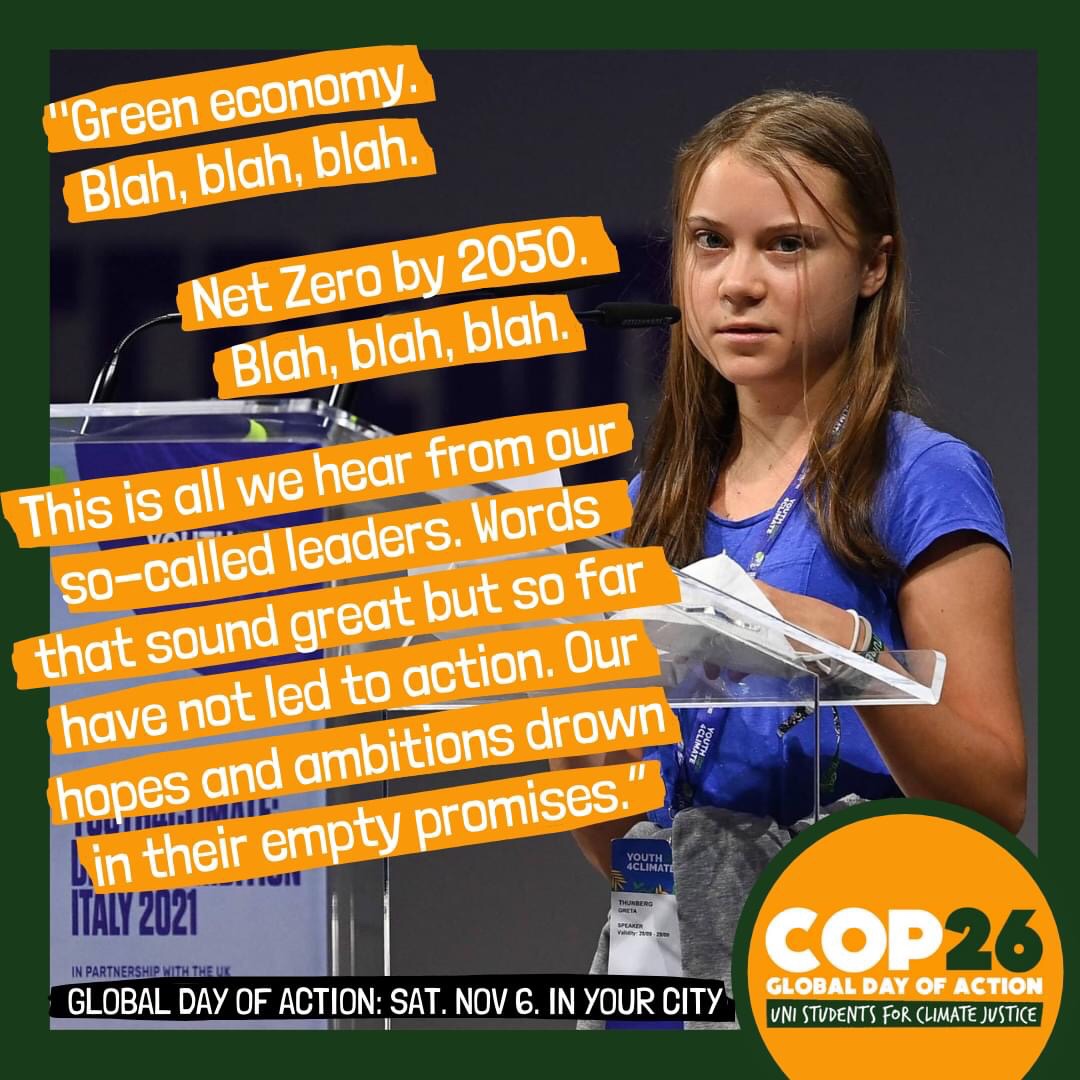
Consider also the rights of younger generations who will come of age during the current climate emergency, and the rights of those who have yet to be born. As Greta Thunberg reminds us, should they be denied their fundamental human rights because of our failure to act on climate breakdown?

The rights of climate refugees, of young people and of future generations are now being tested through the courts. Climate litigation is increasing. At the last count, there were more than 1,800 cases outstanding in dozens of countries around the world, rich and poor.


The supreme court of the Netherlands has mandated emissions cuts on both the government and Royal Dutch Shell. Families from the EU, Kenya and Fiji are taking the European parliament and the Council of the EU to court in an attempt to enforce more ambitious climate-change mitigation targets. In Pakistan, the supreme court has upheld the right of Punjab to protect its water-stressed areas against further industrial development, specifically citing climate change and the rights of unborn generations in its ruling.

“The tragedy is that tomorrow’s generations aren’t here to challenge this pillaging of their inheritance. This court should be mindful that its decisions also adjudicate upon the rights of the future generations of this country,” Justice Syed Mansoor Ali Shah said in his summing up.

But lawsuits are a slow and piecemeal way of enforcing human rights. More importantly, they don’t work in countries with weak legal systems or where human rights are not respected.

We will not win the battle against the climate emergency one lawsuit at a time.


This is just one of the reasons why the Climate Vulnerable Forum (CVF), a group of 48 nations on the frontlines of climate breakdown, which is supported by the Global Center on Adaptation, has been backing a motion for a new UN special rapporteur on climate change and human rights since 2019. We are asking the UN Human Rights Council, whose mission it is to protect human rights, to create this new position.

Only this month, Michelle Bachelet, a former President of Chile and current head of the Human Rights Council, called the “triple planetary crises” of climate change, pollution and nature loss “the greatest challenge to human rights of our era.”


We agree, and it is why we believe climate threats to human rights deserve a higher priority within the UN.

The new special rapporteur would have a mandate to protect people from the worst impacts of the climate crisis. He or she will have their work cut out. Sea levels are rising, sea ice is retreating, glaciers are melting and rainfall patterns have become more unpredictable. Extreme weather events are becoming more frequent and more intense. The UNHCR predicts that the number of climate refugees and displaced people could reach 200 million a year by 2050 – nearly double the number today.

The special rapporteur will have a duty to witness the impact of climate breakdown on human rights first-hand, visiting countries affected by climate disasters and galvanizing action across the family of UN organizations and the wider public sphere.

There is no time to lose. The longer we delay action to support people who are vulnerable to climate breakdown, the worse the consequences are likely to be, making responses even more complex and costly.

The UN’s top scientists warned in August that even if we were to succeed in reining in emissions, we still face many decades of climate disruption because of the greenhouse gases that are already trapped in the atmosphere.

This decision to appoint a UN special envoy on climate and human rights is long overdue. The UN Human Rights Council, currently in session, could take this decision now. This is precisely what the CVF has called for in its manifesto for Cop26. By doing so, the Council would demonstrate that UN bodies can take decisive climate measures, a much-needed positive impulse for the Glasgow summit on which our planet’s fate hinges. That move is also the international community’s strongest signal it is prepared to staunch the climate emergency’s hemorrhaging of human rights. We sincerely hope it will.

Patrick Verkooijen is CEO of the Global Center on Adaptation, AK Abdul Momen is the Minister of Foreign Affairs of Bangladesh that is presiding the Climate Vulnerable Forum

Fonte: aqui

sexta-feira, 3 de setembro de 2021

Documentário - Beyond Borders


Em todo o planeta, as vidas estão mudando à medida que o colapso climático altera o mundo ao nosso redor. Os piores impactos estão sendo sentidos de forma desproporcional por pessoas pobres que já vivem em condições precárias e agora são obrigadas a se adaptar ou se mudar para sobreviver. Como resultado, uma pessoa a cada 1,3 segundo deixa sua casa e sua comunidade devido aos impactos relacionados ao clima.

Amargamente, suas histórias raramente chegam à comunidade global. Mas ouvi-los é crucial para todos nós. Somente compreendendo o alcance do colapso climático e entendendo as implicações pessoais dessa tragédia coletiva, podemos propor soluções eficazes e justas.

"Além das Fronteiras" traça o perfil das pessoas por trás das estatísticas, fornecendo espaço para as histórias de testemunhas do aquecimento global do Ártico a Bangladesh. Também apresenta políticos e acadêmicos que ajudam a entender a complexa ligação entre o colapso climático, a migração internacional e o conflito violento.


quarta-feira, 1 de setembro de 2021

Uma em cada três árvores do mundo está ameaçada de extinção, diz estudo


Pelo menos 30% das espécies de árvores do mundo podem ser extintas, de acordo com um novo estudo.

As espécies ameaçadas são variadas: desde carvalhos e magnólias bem conhecidos a árvores de madeira tropical.

Os especialistas dizem que no total 17,5 mil espécies de árvores estão em risco — o dobro do número somado de mamíferos, pássaros, anfíbios e répteis sob ameaça.

Grupos de conservação estão pedindo esforços urgentes de proteção em meio a ameaças como desmatamento, exploração madeireira e mudanças climáticas.

"Temos quase 60 mil espécies de árvores no planeta e, pela primeira vez, sabemos quais dessas espécies precisam de ações de conservação, quais são as maiores ameaças para elas e onde elas estão", diz Malin Rivers, da instituição de caridade Botanic Gardens Conservation International em Kew, Londres.

A Avaliação Global de Árvores, por 500 especialistas em árvores e 61 instituições, reúne dados sobre o estado de conservação de todas as árvores

Para um mundo saudável, precisamos da diversidade de espécies de árvores, diz Sara Oldfield, co-presidente do Grupo Global de Especialistas em Árvores da União Internacional para a Conservação da Natureza.

"Cada espécie de árvore tem um papel ecológico único a desempenhar", disse ela. "Com 30% das espécies de árvores do mundo ameaçadas de extinção, precisamos urgentemente aumentar as ações de conservação."

O relatório Estado das Árvores do Mundo descobriu que pelo menos 30% das 60 mil espécies de árvores conhecidas estão em risco de extinção.

Cerca de 142 espécies já desapareceram da natureza. E 442 estão perto da extinção — nestes casos, há menos de 50 árvores individuais de cada espécie restantes.

As maiores ameaças às árvores em todo o mundo são o desmatamento para plantações (afetando 29% das espécies), extração de madeira (27%), desmatamento para pecuária (14%), desmatamento para ocupação (13%) e incêndios (13%).

Uma em cada cinco espécies de árvores é usada por humanos como alimento, combustível, madeira, remédios e outras coisas

Mudanças climáticas, condições meteorológicas extremas e aumento do nível do mar são ameaças crescentes às árvores. Mas os autores dizem que com ações de conservação, há esperança para o futuro.

"O relatório nos dá esse roteiro para mobilizar a comunidade ambientalista em geral e outros atores importantes para garantir que a preservação de árvores esteja na vanguarda da agenda de conservação", disse o Dr. Rivers.

Especialistas pedem diversas ações, como:
  • Preservar as florestas existentes e expandir as áreas protegidas (atualmente pelo menos 64% de todas as espécies de árvores podem ser encontradas em pelo menos uma área protegida)
  • Manter espécies ameaçadas em jardins botânicos ou bancos de sementes na esperança de que um dia possam ser devolvidas à natureza (atualmente cerca de 30% de todas as árvores são protegidas desta forma)
  • Educar para garantir que esquemas de reflorestamento e plantio de árvores sejam realizados cientificamente, com a árvore certa no lugar certo, incluindo espécies raras e ameaçadas
  • Aumentar o financiamento para a conservação de árvores.
  • As florestas tropicais estão enfrentando ameaças de mudanças climáticas e condições meteorológicas extremas.
Os cientistas estimam que um milhão de animais e espécies de plantas estão ameaçados de extinção.

Nos últimos 300 anos, a área florestal global diminuiu cerca de 40% e 29 países perderam mais de 90% de sua cobertura florestal.

A pesquisa mostra que sete commodities principais impulsionam mais da metade do desmatamento em todo o mundo.

As árvores em particular risco de extinção incluem:
  • Grandes árvores tropicais conhecidas como dipterocarpos que estão sendo perdidas devido à expansão das plantações de óleo de palma
  • Carvalhos perdidos para a agricultura e o desenvolvimento em partes do México, Chile e Argentina
  • Árvores de ébano e pau-rosa sendo derrubadas para produzir madeira em Madagáscar
  • Árvores de magnólia ameaçadas por coleta insustentável de plantas
  • Árvores que estão morrendo de pragas e doenças no Reino Unido e na América do Norte

Saber mais

segunda-feira, 9 de agosto de 2021

A Global Climate Tipping Point? Understanding The U.N. IPCC Report


Around the world, extreme climate events everywhere --

From wildfires to severe floods and droughts.

The U.N.'s International Panel on Climate Change's latest report points to temperature changes happening faster, and the likelihood of the world reaching a climate tipping point sooner.

“I call it the Paul Revere phase. ... Scientists saying, 'The British are coming, the British are coming.' But then now the British are here, and what do we do?" William Moomaw says. "Things are getting worse, much more rapidly than we anticipated.”

Today, On Point: The IPCC's latest warning on climate change. Are nations ready to act?
Guests

William Moomaw, professor emeritus of international environmental policy at Tufts University. Visiting scientist at the Woodwell Climate Research Center. (@FletcherSchool)

Alexis Papahelas, executive editor of the Greek daily newspaper Kathimerini. (@Kathimerini_gr)

Beverly Law, professor emeritus in the College of Forestry at Oregon State University.
Interview Highlights

What is it about this latest report from the IPCC that makes it a code red moment?

William Moomaw: “For the first time there is just no equivocation that human activities — and they are specified in this report — that those activities have caused the changes that we are seeing. And that we have to act very quickly to abate them. And we will have some of these with us, not just for years, but for centuries and maybe millennia.”

What is raising the greatest alarm bells for you?

William Moomaw: “My alarm bells have been ringing for some time, to be frank with you. But in this report, I think the points that are being made, that the warnings of the past have simply just not been listened to, or they've been listened to but not heard ... and that now is the time that we have to act. We can make a huge difference in the coming decades as to what will happen.

"But there are some things, and this is new for IPCC to say, there are some things that will be with us for essentially, I don't know, beyond anything we can imagine. Hundreds of years, maybe thousands of years. Like sea level rise. It will take, I don't know, 10,000 years to rebuild the glaciers and the lost ice from Antarctica and Greenland. And the acidity of the ocean will be with us forever, perhaps. So we have done serious damage, but we can mitigate some of that damage for other things, like the temperature. We can manage the temperature and get things back to a livable situation.”

A hotter future is essentially guaranteed. Am I reading that right?

Beverly Law: “It looks like at least 1.5 degrees Celsius, and we're hoping to keep it there. So one of the things that that has bothered us and that's been hard to get a grasp of is the extreme events. And we've had some recent hot extremes over the past decade. And as they stated, that would have been extremely unlikely to occur without human influence on climate change.

"And so these record-shattering heat waves are occurring three times more often than they did in the 1960s. We've lived long enough to have experienced what this is like. And now we're trying to figure out how to grapple with the extremes. Again, they're pretty hard to predict over the long term. But the people who are predicting weather had a really good handle on this with their modeling.”

On extreme weather events around the world, and droughts in the West

William Moomaw: “The Earth is not heating uniformly. And the Arctic is warming vastly faster than the rest of the Earth. And that is changing the dynamics of the atmosphere, weather patterns. And so, for example, in the past, well, whatever it was a month or so ago, Professor Law in Oregon, was nearby Portland, was at 116 degrees, unprecedented. Meanwhile, I, here in New England, was experiencing a summer day of 73 degrees. I mean, that's the regional disparity that we're seeing just within the United States.

"And so one of the aspects of this report is it uses longer term averages. So it says, OK, over the past two decades, the average temperature has risen by .9 degrees Celsius, which is roughly a couple of degrees Fahrenheit. And in fact, last year, the rise above pre-industrial levels was about 1.2 degrees. So we're talking about 1.5 degrees. By focusing on the longer term trends, which is understandable, because there's a lot of fluctuation going on, and not mentioning the more recent changes, people may have the sense that we have more time, we can take more time to do this.

"When, in fact, what we're doing is those past decades are like we were driving along the fine interstate highway. And only in the last 100 yards do we see that it's going off a cliff. But we're not looking at the last 100 yards. And that's what we're facing, is the last 100 yards right now. And that's showing that these trends are accelerating. And the IPCC has been warning about this for years, and it's fallen on deaf ears. And we could talk about why that is the case, and the role that governments have played in doing so.”

What can we do to prevent this global climate tipping point?

William Moomaw: “The tipping points are when the system begins to change to the point that the changes accelerate more changes. So there are these reinforcing feedbacks. Just a couple of quick examples. You know, the melting of the Arctic sea ice means there's less light reflected, sunlight reflected, and so it's warming much faster. And that then warms the Arctic more, which then causes the permafrost to thaw and to dry out and be more forest fires in the Boreal region and so on.

"And if that cycle gets out of control in the sense that it can't be turned around, even if we lowered the amount of carbon dioxide in the atmosphere, that would be catastrophic. But fortunately, a lot of what we're seeing in terms of the weather changes can be changed by lowering the temperature of the Earth towards what it used to be. And that can only be done by it by reducing the amount of heat trapping gases in the atmosphere.

"And so, I mean, this all sounds like gloom and doom. But for me, the hope is knowing that there are things that we can do that will turn this around. And we can't slow down sea-level rise. But we can slow down these weather events, these terrible weather events, including these incredible droughts, if we could lower the temperature. And so to do that, we need to obviously, as rapidly as possible, reduce our emissions.

"So run out as fast as you can, get those solar panels, get your electric vehicle, make your house better insulated. Make sure that your place of work is doing what it can to reduce its emissions. And let's make that energy transition as rapidly as possible. But at the same time, we have to increase the rate at which carbon dioxide is removed from the atmosphere. And that can be done by a combination of letting more existing forests grow.

"Beverly Law pointed out the need for these strategic forest reserves. The same is true with our grasslands, the way they're managed. With our agriculture, the way it's practiced and the protection. People don't think much of wetlands as anything but wastelands, but they have been hugely important in the amount of carbon that they store. And yet we degrade them and release that carbon dioxide almost instantly. So taking a look at what we can do in the natural world, and what we can do in terms of reducing our emissions from the way we live our lives have to go hand in hand. And all those efforts need to be accelerated immediately.”

From The Reading List

Oxford Academic: "World Scientists’ Warning of a Climate Emergency 2021" — "In 2019, Ripple and colleagues (2020) warned of untold suffering and declared a climate emergency together with more than 11,000 scientist signatories from 153 countries."

terça-feira, 20 de julho de 2021

Scientists are worried by how fast the climate crisis has amplified extreme weather


Until recently, climate change had been talked about as a future threat. Its frontlines were portrayed as remote places like the Arctic, where polar bears are running out of sea ice to hunt from. Sea level rise and extreme drought was a problem for the developing world.
But in the past month, it's been the developed world on the frontline.
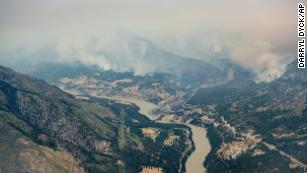
In the past four weeks, floods in Germany engulfed streets and swallowed homes that had stood for more than a century in the quiet village of Schuld. A Canadian town of just 250 -- known more for its cool, mountain air -- burned to the ground in a wildfire that followed unprecedented heat.

And in the western United States, just weeks after a historic heatwave, some 20,000 firefighters and personnel have been deployed to extinguish 80 large fires that have consumed more than 1 million acres (4,047 square kilometers).
Climate scientists have for decades warned that the climate crisis would lead to more extreme weather. They said it would be deadly and it would be more frequent. But many are expressing surprise that heat and rain records are being broken by such large margins.
Since the 1970s, scientists have predicted the extent to which the world would warm fairly accurately. What's harder for their models to predict -- even as computers get more and more powerful -- is how intense the impact will be.
Michael E. Mann, the director of the Earth System Science Center at Penn State University, told CNN the past few weeks have showed the limitation of climate change models.
"There is an important factor with many of these events, including the recent 'heat dome' event out west, that the climate models don't capture," Mann said. "The models are underestimating the magnitude of the impact of climate change on extreme weather events."
In climate models, Mann explained, day-to-day weather is just noise. It looks a lot like chaos. It's only the most extreme events that stand out as a clear signal.
"The signal is emerging from the noise more quickly" than models predicted, Mann said. "The [real world] signal is now large enough that we can 'see' it in the daily weather," even though the models didn't see it coming.

That means historic events like the flooding in Germany or the wildfire in Canada didn't register in the predictions. To make that happen, scientists say, we need even more powerful climate models.
Tim Palmer, a research Professor in Climate Physics at the University of Oxford, is one of several scientists who have been calling for a global center for modeling that would house an "exascale" supercomputer -- a machine that can process a mind-boggling amount of data.
Scientists and governments in the 1950s established the European Organization for Nuclear Research (CERN), when it became clear that to advance the field of particle physics would require a machine so expensive it was unlikely any single country would develop it.


"As an international organization, CERN has been hugely successful," Palmer told CNN. "That's what we need for climate change."
Scientists use computer simulations of weather events to make projections of how they may change decades into the future. But they can't zoom in enough -- even to a city level -- to predict the most extreme events. Despite technology's progress, computers are still not typically sophisticated enough to operate at such a high resolution.
Palmer said climate models must get there.
"If worldwide we're spending trillions of dollars adapting to climate change, we've got to know exactly what we're adapting to," Palmer said, "whether it's floods, droughts, storms or sea level rise."

'A necessary evil'
While the recent extreme weather events in the Northern Hemisphere took many by surprise, they were "not completely unexpected," said Richard Allan, a professor of climate science at the University of Reading. "This is what the science has always been pointing towards," he said.
But he agrees that better computers would be useful in making more detailed and refined projections.
"It's also difficult to assess how weather patterns will shift and alter in the future, including whether westerly flow over Europe will be more commonly blocked, causing thunderstorms to stall over one place, such has been the case over Europe in July 2021, or more lengthy and sustained heatwaves such as over western North America," said Allan.

Even without this granular modeling, climate activists -- and, increasingly, communities affected by extreme weather events -- are calling for more action on climate change. German Chancelor Angela Merkel said over the weekend that, "We have to hurry, we have to get faster in the fight against climate change."
Several developed countries, including the US, have this year significantly increased their commitments to reduce greenhouse gas emissions. The European Union last week unveiled an ambitious plan to put climate at the center of just about every development and economic initiative it has.

Yet many activists say that their pledges still fall short of the action needed to contain average global temperatures to 1.5 degrees Celsius, which the International Panel for Climate Change says is necessary to avoid even more catastrophic impacts of climate change. They also criticize governments that make ambitious pledges while continuing to approve new fossil fuel projects, including coal mines, and oil and gas facilities.
Merritt Turetsky, director at the Institute of Arctic and Alpine Research, is hoping that these weather events in the developed world will galvanize that kind of action. She is herself challenging her own perceptions of where climate change frontlines are and who is vulnerable.

"Maybe this is a necessary evil," Turetsky said. "We used to think of frontlines as island nations because of sea level rises, or the Arctic."
"We know there is a cognitive dissonance when climate change is impacting people so far away from you and everything you know. We tend to put it on a shelf, because it's one thing to see 'this is what they say,' but it's another thing to feel it. We're at a point where everyone on the planet now has felt the impacts of climate change itself, or at least someone they love or know has. It's circling in closer and closer."
That's certainly the feeling among residents in Germany's Schuld.
"When you look at what's happening in Canada, where they had temperatures of 50 degrees, and what's going on all over the world, it is clear this is the result of climate change," Niklas Pieters told CNN, as he helped his parents clear the debris from their ravaged home in Schuld on Monday.
"I don't want to have to get used to this."

Fonte: CNN

segunda-feira, 28 de junho de 2021

Como a discriminação da comunidade LGBTQIA+ se associa à crise climática


A equidade é uma abordagem para garantir que todos possam ter acesso às mesmas oportunidades, independentemente de suas características ou escolhas pessoais e culturais. A inclusão garante a igualdade de oportunidades, removendo barreiras ou obstáculos.

A crescente aceitação social e cultural de diversas identidades e o reconhecimento das desigualdades e discriminações históricas e atuais estão levando a uma preocupação crescente com os princípios de equidade, diversidade e inclusão, particularmente em relação aos direitos das mulheres. No entanto, a discriminação, o assédio e as disparidades com base em identidade de género e orientação sexual ainda são generalizados.

Esses princípios estão intimamente relacionados às questões ambientais e de mudanças climáticas, pois as adversidades do meio ambiente também afetam o bem-estar humano e a justiça social. Os impactos da crise do clima não atingem a todos de maneira uniforme. Alguns grupos sociais são submetidos a riscos e incertezas maiores. As ameaças crescentes associadas às alterações climáticas devem atingir, primeiramente e mais intensamente, as comunidades marginalizadas.

Dentre estas, a comunidade lésbica, gay, bissexual, transgênero, queer, intersex, assexual e aliada (LGBTQIA+) é uma das que, devido à sua marginalização e vulnerabilidade social, pode se tornar uma vítima praticamente oculta das mudanças climáticas e degradação ambiental. No entanto, pesquisas, políticas e ações para responder às necessidades de género e minorias sexuais na preparação e resposta a desastres e mudanças climáticas são ainda limitadas.

Os indivíduos dessas comunidades são particularmente vulneráveis ​​a exclusão, violência e exploração devido ao estigma social, discriminação e ódio que geram limitações em termos de oportunidades sociais e acesso a infraestruturas de serviços disponíveis. Pessoas LGBTQIA+, muitas vezes, são forçadas a deixar suas casas devido à intolerância e mesmo violência familiar. Além disso, enfrentam o preconceito de proprietários que, com frequência, se recusam a alugar suas propriedades com base na orientação sexual ou identidade de género.

Consequentemente, indivíduos dessa comunidade oriundos de classes mais humildes estão mais sujeitos ​​à falta de moradia, a ambientes em condições precárias ou a viverem em situação de rua. No meio rural, onde a menor demografia facilita a identificação das diferenças, a discriminação se repete.

A taxa de desemprego ou emprego informal entre LGBTQIA+ no Brasil é cerca de três vezes maior que na população em geral, cenário que piorou durante a pandemia, segundo estimativa da Aliança Nacional LGBTI. Isso coloca essas pessoas em maior risco de pobreza e falta de moradia. Todas essas condições fazem com que estejam muito menos equipados para enfrentar os impactos ambientais provocados pelas mudanças climáticas.

Além disso, antes de um evento extremo, os membros da comunidade LGBTQIA+ podem não ter acesso aos mesmos bens, recursos e informações que a população em geral devido ao potencial de exclusão, isolamento e redes sociais restritas. Isso pode afetar a resiliência dessas pessoas. Casais do mesmo sexo podem não receber ajuda de emergência se não forem reconhecidos como legítimos. Da mesma forma, pessoas não binárias podem não ter acesso a serviços específicos de género e, assim, ser rejeitadas em abrigos de emergência ou enfrentar outros desafios para receber ajuda durante esforços de socorro e recuperação. Isso aconteceu durante o furacão Katrina, que assolou o sul dos Estados Unidos em 2005.

Por outro lado, muitos podem, simplesmente, ter receio de procurar ajuda diante do estigma em torno do género e da identidade sexual. Assim, a crise climática pode ser associada à discriminação vivida pela comunidade LGBTQIA+.

Quando se pensa em justiça social e ação climática equitativa e inclusiva, ainda há muito a ser feito para garantir igualdade para todos, incluindo género e sexualidade. Deve haver garantia de que todos possam desfrutar plenamente de seus direitos humanos, ter acesso à informação e a oportunidade de participar de políticas e tomadas de decisão.

Além disso, a igualdade de tratamento deve garantir que qualquer pessoa afetada pelos efeitos adversos das mudanças climáticas tenha acesso ao apoio e aos serviços de que necessita, independentemente de sua orientação sexual ou identidade de género.

*Edenise Garcia é diretora de Ciências da The Nature Conservancy (TNC) Brasil.