Mostrar mensagens com a etiqueta John Clare. Mostrar todas as mensagens

quarta-feira, 10 de junho de 2026

Aegithalos

Chapim-rabilongo (Aegithalos caudatus)

Aegithalos

Um pêndulo delicado balança sobre a casca de musgo,
envolto numa mistura suave de rubor, carvão e neve.
O horizonte é perseguido por uma sombra rasteira de penas,
enquanto um coro de sussurros prateados agita os bosques adormecidos.
Quando a geada chega, o calor encontra-se num amontoado cerrado de asas,
antes que um ímpeto súbito de voo acrobático se disperse pela copa das árvores.
A pequena bolinha escura captura a imensidão da floresta,
sonhando secretamente com um universo escondido num único pedaço de líquen.

quinta-feira, 9 de abril de 2026

The Unbroken Thread


Tentilhão-comum (Fringilla coelebs) @ José Morgado Martins

"The bird is not on the branch, but of it
A momentary flowering of the wood,
A pulse of warm blood singing the sky’s own blue.

She does not stand apart to name the world;
She is the world’s own throat,
Translating the deep, silent sap of the cherry tree
Into a language of air and light.

There is no "I" that watches and no "it" that sings,
Only the single, shimmering web of being
Where the frost of the bark and the heat of the heart
Are one slow-burning fire.

To hear her is to feel the weight of centuries
Of starlight and soil rising through those tiny claws,
A testimony that we are not masters of this place,
But plain members of its magnificent, grieving,
And wildly living body.

When she opens her beak, the universe exhales—
Not for us, but because the song is the only way
For the earth to know the depth of its own belonging."

João Soares, 09.04.2026


sexta-feira, 20 de março de 2026

The Common Root, The Open Field


The sun is a golden carpenter, planed and raw,
Not a thought of God, just the heat upon the stone.
I see with eyes that have forgotten how to name,
Stripping the silk from the corn, the myth from the bone.
I am the keeper of flocks that are only the passing wind,
Content to let the river be water, and the air be thinned.

And so the valley breathes a deep, fern-scented sigh,
Where ancient hemlocks haunt the mist-drenched floor.
There is a poetry in the granite’s edge, the eagle’s cry,
The rhythmic pulse of the river’s wild and hidden roar.
I see the silver birch’s bark, a lily in the gloom,
And the vast, tangled geometry of the mountain’s room.

Yet, look closer—there is a circuit made of sun, 
Where silent cells weave the carbon from the air. 
The plant is not a thing, but a process, a run
A thinking heart that finds the cosmic everywhere.
The earth is a living being, dreaming in the dark,
Waiting for the human soul to strike the inner spark.

I walk the lanes where a poet lost his mind to find his soul,
Naming every nested bird and the trembling of the rye.
The fences steal the common, but they cannot take the whole
Of the vast, unlettered music of the open summer sky.
The badger in the brake, the lady-smock in the dew—
Simple things are the only things that are ever truly true.

And when the world begins to fray, when the shadows grow too long,
A steady hand reaches out and leads me through the grief.
To love the world is to mourn it, a fierce and ancient song,
Finding the "Great Turning" in the falling of a leaf.
We are the web itself, the pulse of the ancient deep,
Awakening from the long, industrial, lonely sleep.

Finally, there is the white silence of a master’s hand,
Where the word is a body, bare and salt-washed by the sea.
A solar clarity that understands the shifting sand,
And the brief, bright miracle of what it means to be.
Just the earth. Just the light. Just this breath we share—
The common root of everything, blossoming in the air.

sábado, 14 de fevereiro de 2026

The Veins of the Earth


"It is not "water" that moves here,
but the mountain’s cold blood
seeking the lowest prayer.

The white rush of the stream
is the only clock that matters,
carving a dialogue between stone and gravity
long before we learned to speak.

Look at the moss—
those emerald lungs clinging to the bark.
The tree does not own the moss,
nor does the moss steal from the tree;
they are a single, breathing yes
to the dampness of the world.

We stand on the ridge,
clinging to our names and our borders,
while the ivy bridges the gap
between the root and the sky.

Under the floor of copper leaves,
the mycelium whispers in the dark,
proving that to be alone is an illusion
we invented to feel important.

The forest does not look at you.

It invites you to be quiet enough
to hear your own heart beating
in sync with the falling water,
until you can no longer tell
where the wood ends
and you begin. "

João Soares, 14.02.2026

A Ancestralidade das Florestas

"O tempo aqui não avança,
ele se enraíza profundamente.
Um segredo guardado
nas cascas grossas das árvores,
onde a seiva é o sangue antigo
que batiza a terra,
um leito de folhas caídas,
de ossos esquecidos,
de águas que guardam o passado.

Vastidão antiga,
onde cada tronco retorcido
é um ancestral que observa,
e cada sombra,
um refúgio místico e quieto.

As copas tocam o céu numa prece silenciosa,
tecem redes de um verde que desafia os milénios.
A terra, em sua paciência densa e rude,
conhece o ciclo,
sabe que tudo, um dia, retornará a ela.

É um diálogo invisível,
tecido pelos micélios,
fios sutis sob o tapete do chão.
Aqui, não há o novo nem o velho,
apenas a eterna, a viva pulsação
que conecta tudo.

Respirar esta mata
é sorver a memória,
a essência de quem já foi bicho,
de quem foi vento que soprou,
de semente que germinou.
A floresta não narra a nossa história;
ela nos sonha,
sem interrupção,
eternamente."

João Soares, 14.02.216

sábado, 12 de novembro de 2022

Encontros Improváveis: John Clare e Georgia O’Keeffe


Eu sou
"Eu sou, mas o que eu sou não importa a ninguém:
Dos amigos sou como memória perdida.
As minhas próprias mágoas me consomem –
Elas surgem e vão-se, multidão esquecida,
Como sombras de exaltado, reprimido amor –
E contudo eu sou e vivo, névoa impelida

Para o nada do escárnio e da gritaria,
Para o mar vivo de os sonhos despertos,
Onde não se sabe o que é a vida ou alegria
Mas onde ocorre o naufrágio de meus afetos.
Mesmo os mais queridos, os que mais prezo,
Estranhos são – mais estranhos mesmo que o resto.

Estar onde ninguém esteve, são desejos meus,
Onde mulher não chorou ou sorriu contente –
E lá poder viver com meu Criador, Deus,
Dormir como na infância dormi docemente,
Estar assim, sem perturbar nem ser perturbado,
Erva, em baixo – por cima, o céu abobadado."
John Clare

Vídeos: 
"I am" por Kelsi James

Documentário:

sexta-feira, 11 de novembro de 2022

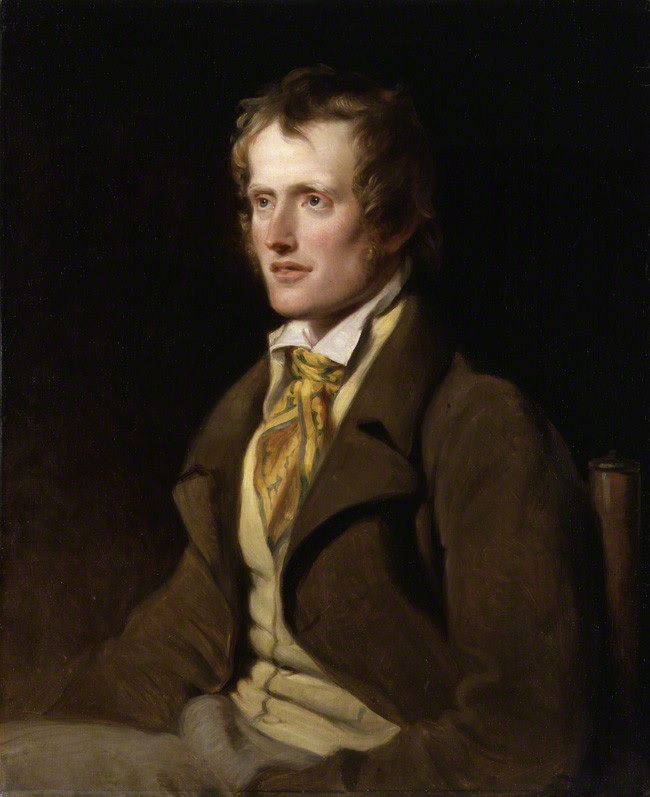
John Clare - um poeta maior


Se já é duro ser poeta contemporâneo de Blake, Byron, Burrns, Coleridge, Keats, Shelley e Wordsworth, imagina então frequentar o terreno lírico proveniente da ralé interior. Esse é, sem tirar nem pôr, o drama de John Clare (1793-1864).
Nasceu em Helpston, este The Northamptonshire Peasant Poet. Começou a trabalhar na agricultura ainda em criança, depois foi garçon no bar Blue Bell. Também trabalhou como jardineiro, acampou com ciganos, foi queimador de cal. De saúde precária, mal alimentado, socorreu-se nas paróquias locais. A leitura de The Seasons, de James Thomson, levou-o a escrever os primeiros poemas. Em 1820, sai o seu primeiro livro: Poems Descriptive of Rural Life and Scenery. Não podia ter um título mais adequado. É precisamente isso o que caracteriza grande parte da poesia do primeiro dos três bardos antologiados e traduzidos por Ricardo Marques em Três Bucólicos Ingleses (Elysium, Setembro de 2020): uma poesia descritiva da vida rural, com suas cenas, paisagens, lugares, pessoas, trabalhadores, com sua fauna e flora, as Lebres a brincar, A raposa, a Névoa nos prados, os Estudantes no Inverno.

Clare foi muito elogiado pelos seus poemas iniciais. Casou-se nesse mesmo ano de 1820. Dividido entre os saraus literários londrinos e o analfabetismo da vizinhança, passou por graves momentos de depressão. Perdeu a aura inicial, afogou-se em álcool, procurou refúgio num asilo para doentes mentais. Dizia-se Lord Byron, dedicando-se a reescrever os poemas deste. Também dizia ser Shakespeare, o génio da Renascença, mas no magnífico poema Eu sou!, é perceptível a frustração: «Eu sou o que se consome com os seus problemas». Sentia-se desprezado e abandonado pelos amigos. 

Como referi a sua vida foi um verdadeiro desfile de tragédias e misérias. Primeiro as económicas - família pobre, sem recursos sequer para propiciar-lhe uma educação formal razoável -  depois as afetivas, novamente económicas, até as sociais - internado num asilo em 1837, aí e permanece por quatro anos, fugindo em julho de 41 ("He walked the 80 miles to Northborough, penniless, eating grass by the roadside to stay his hunger", diz a sempre contida Encyclopeadia Britannica);  no final desse ano, é declarado louco e passa os últimos 23 anos de vida num hospício, escrevendo com impulso lírico estranhamente insaciável, algumas das suas melhores poesias.

Teve a Natureza como tema central em seus poemas, sempre louvando-a ou lamentando a sua destruição. Seria um activista ambiental nos nossos dias.

Publicou três livros em vida, nenhum dos quais chegando a render muito, nem crítica ou dinheiro.

Foi redescoberto no séc. XX por Arthur Symons, que em 1908 incluiu-o numa seleção de poetas britânicos. A sua fama e mérito e respeito foi aumentando. Um dos poemas de John Clare serviu de inspiração para a Sinfonia da Primavera de Benjamin Britten e, em 1989, 125 anos após sua morte, ele foi homenageado com uma placa no Poet's Corner, na Abadia de Westminster.


 Aqui Patrick Stewart lê o poema "Ao Outono" junto da casa onde John Clare viveu.


E-Livro: Clare´s Poems, by Norman Gale (1901)

Biografia
John Clare [wiki]