Mostrar mensagens com a etiqueta Dow Chemicals. Mostrar todas as mensagens

sábado, 25 de março de 2023

Pesticide Giant Criticised for ‘Greenwashing’ Partnership with French Influencer


Bayer, the world’s second largest crop chemicals company, sponsored a French influencer to create and share pro-pesticides content with over 300,000 followers on her Instagram account, an investigation has revealed.

Jenny Letellier – one of France’s biggest YouTubers with nearly 4 million subscribers – has come under fire for the sponsored content, which was broadcasted via a series of videos from France’s leading agriculture fair last month. This content was produced in conjunction with Morgan Niquet, a YouTuber with 1.3 million subscribers.

French media outlet Vakita, which broke the story, obtained a copy of the contract between the German multinational and Letellier that specified how the social media campaign was tailored to meet clear PR objectives for the company.

These included “showing the general public that French agriculture is sustainable and respectful of the environment” and that “it takes into account the expectations of society and younger generations”.

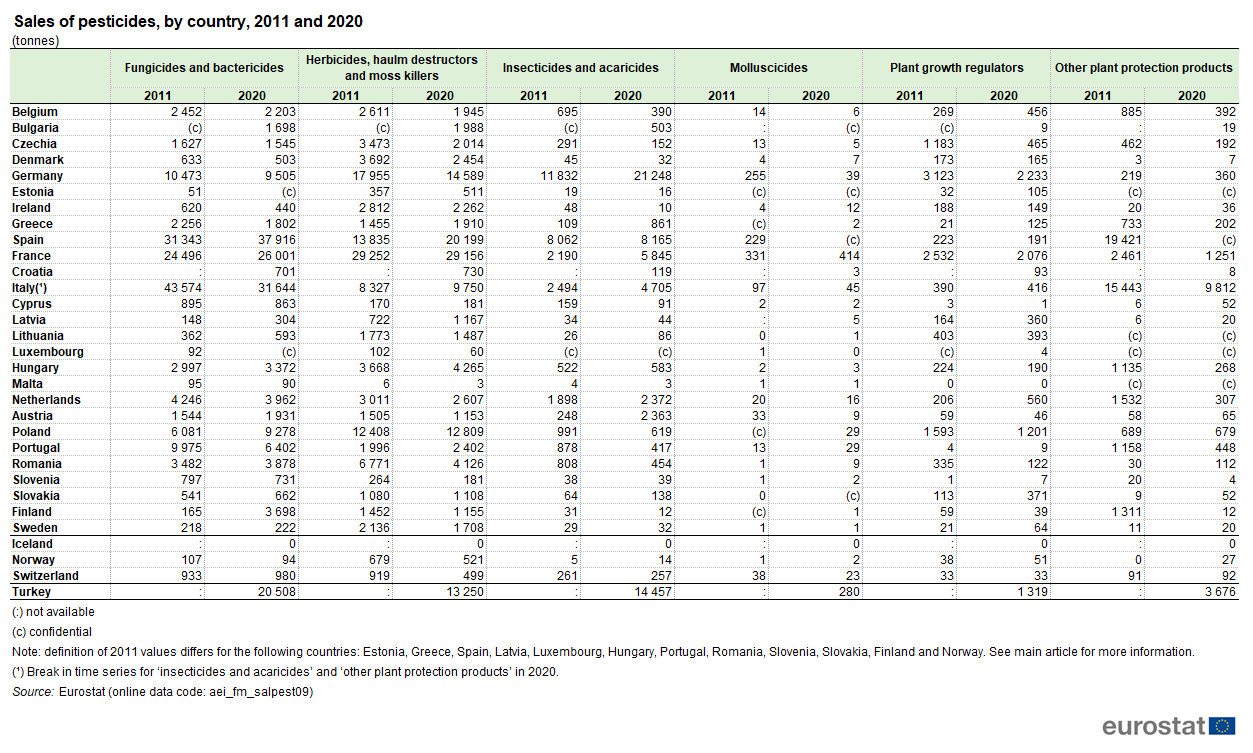
France is the second largest market in the EU for pesticides, which have been found to harm biodiversity, soil health and human health.

Salomé Roynel from campaign group Pesticide Action Network Europe (PAN) called the PR partnership a “well-known tactic”. It comes at a time the pesticides lobby is currently heavily resisting green reforms in Europe that – if enacted – would drastically reduce agrochemical use in order to protect nature and wildlife.

A spokesperson from Bayer’s crop science division said: “Like all companies, Bayer may establish partnerships with influencers to promote information or events. The group complies with all current regulations related to partnerships, in particular rules of transparency“.
Backlash from Followers

Influencer advertising is increasingly popular among companies seeking to reach younger audiences. Global spending on this kind of marketing is expected to reach over $30 billion in 2023.

Many of Letellier’s Instagram followers took a dim view of the content she produced for Bayer, which sparked a torrent of incredulity and outrage online. One follower said on Instagram: “We are fighting to save this planet and you make those of your generation believe that Bayer takes care of it!”.

Vakita estimated that the going rate for such a deal was likely to be in the region of €6,000 ($7,200), which included a set of Instagram stories and a post on her feed. Letellier’s comedy Instagram reels routinely receive hundreds of thousands of views; one gained upwards of eight million.

Letellier stated in an Instagram post that she had been a “fool” and “naive”, and had deleted the content prior to Vakita’s investigation. She told Vakita that she was not aware of Bayer prior to the partnership, deeply regretted the agreement, and had refused payment.

A spokesperson for Niquet confirmed that he had also refused payment for the partnership. They said: “Going forward, we will take the necessary steps to ensure that our partnerships align with our values and commitment to environmental responsibility”.
Pro-Pesticide Messaging

Letellier’s videos were filmed at the Salon D’Agriculture in Paris, France’s main agriculture fair, which is visited by the French president each year.

In a series of clips, Letellier is shown repeating messages from a briefing provided by Bayer, which was obtained by Vakita journalists. In one video, Letellier states that “companies like Bayer […] support farmers to produce better with fewer resources”.

Bayer said that Letellier and Niquet had produced “informative and participatory content according to their vision, their codes and their editorial line” after a day of discussion at the fair.

Bayer also told Vakita that it “will continue to partner with personalities interested in the issues and the future of agriculture in France”.

Scientists and campaigners often contest the notion that Bayer’s products “produce better” because while they protect food crops, agrochemicals are toxic to insects and other life forms.

According to the Pesticides Action Network, over a third of Bayer’s sales derive from products that are highly hazardous to the environment, animal or human health. (The methodology for this classification is strongly disputed by Bayer on the grounds that it uses different criteria to internationally accepted rules).

Experts say that overuse of chemical pesticides is harming the future of food production. Biodiversity is in sharp decline across the world, and numbers of birds and pollinators are plummeting in Europe.

Bayer, which makes almost $10 billion in agrochemical sales every year, has also faced millions of dollars in lawsuits over health issues allegedly related to its products, including from farmers.

In December, Paul Francois won damages of over $11,600 from Bayer, following a 15-year legal battle in French courts. The farmer claimed that accidental inhalation of a weedkiller Lasso, which was legal in France until 2007, had caused him chronic neurological problems.

Bayer France told Reuters that Francois was awarded less than 1 percent of the compensation requested, and that the courts had not recognised any of the serious pathologies alleged.
Trying to ‘Turn Public Opinion’

Roynel from PAN accused Bayer of trying to “turn public opinion”, which she said currently favours reducing pesticide use. A petition to phase out pesticides in the EU received over a million signatures in 2021.

Bayer has consistently opposed proposed EU reforms which could see pesticide use slashed. Since 2020, along with other pesticide companies, the firm has repeatedly lobbied against targets to slash chemical use by 50 percent – a move that would cost the industry millions in lost sales.

The arguments frequently used by Bayer to lobby in defence of its business model include the idea that innovations such as “precision farming”, which aim to use pesticides more efficiently, are a better solution than legally-binding reduction targets.

These arguments were present in the briefing given to Letellier, who told her followers: “if we treat them [crops] well with treatment by giving them a good dose, in the right place, at the right time, we optimise production to have optimum performance”.

France is among a number of member states that has called for delays to the pesticide legislation. As the largest agricultural producer in the EU, it is considered one of the most powerful member states in the union on the matter.

Bayer also asked Letellier to “highlight the fact that [French agriculture] is already in full ecological transformation and that it has innovated and modernised”.

Letellier stated in her video: “Today in France, everything is very regulated and we cannot use pesticides for just anything. And so much the better for the plants and for us, because it allows us to feed ourselves”.

President Emmanuel Macron has pledged to end the use of glyphosate, Bayer’s best-selling pesticide, which is considered “probably carcinogenic to humans” by the World Health Organisation.

A 2022 study found the weedkiller – which earned Bayer $840 million in global sales in 2018 – is present in the urine of 99 percent of the French population.

The EU is expected to decide this year whether glyphosate should be approved for use in farming for the next decade.

Roynel said that influencing public opinion was part of Bayer’s “strategy […] to fight fiercely any sustainable transition which would harm its business”.
Wider Lobbying Efforts

Advertising is just one of the tactics used by Bayer to influence EU policy.

A recent investigation by DeSmog found that the pesticide industry had poured millions into resisting green farming reforms. The companies had held private meetings with legislators, funded academic research and launched widespread communications campaigns to delay laws to reduce pesticide use.

Bayer is not the only pesticide firm to have paid influencers for PR work in France, either. Vakita reports that in 2021, a manufacturer of pesticides paid an Instagrammer with 700,000 followers to defend a herbicide, which the EU was threatening to ban due to its risk to wildlife and the environment.

Letellier did not respond to DeSmog’s requests for comment.

quarta-feira, 10 de agosto de 2022

Projeto europeu descobre substâncias tóxicas em vários artigos no mercado

33% de 106 artigos analisados em 13 países europeus continham "substâncias químicas de elevada preocupação" que podem ser cancerígenas, bioacumulativas, persistentes ou interferir com o sistema hormonal.


Cerca de um terço dos 106 artigos analisados em 13 países europeus, incluindo Portugal, no segundo trimestre, no âmbito do projeto LIFE AskREACH, continha pelo menos uma substância perigosa para a saúde e ambiente.

A informação foi avançada 7de julho pela associação ambientalista Zero, que manifestou preocupação com os resultados da análise feita no âmbito do projeto europeu LIFE AskREACH, no segundo trimestre deste ano.

Dos 106 artigos analisados por um laboratório independente e acreditado, proveniente de 13 países europeus, incluindo Portugal, "cerca de um terço continha pelo menos uma substância química de elevada preocupação e 10 continham estas substâncias acima de 0,1%, o que significa que um conjunto significativo dos artigos disponíveis no mercado europeu ainda contém substâncias que podem ter impactos negativos na saúde humana e no ambiente", explicou a associação.

Segundo a Zero, trata-se de substâncias que podem ser cancerígenas, bioacumulativas, persistentes ou interferir com o sistema hormonal.

A análise deu preferência a artigos de bricolagem, de jardinagem e natação.

"Enquanto consumidores temos o direito a saber se um artigo que queremos comprar contém substâncias químicas de elevada preocupação (habitualmente designadas por SVHC)", apontou a associação, lembrando que "as marcas e os retalhistas estão legalmente obrigados a informar o consumidor, a seu pedido, se o produto contiver alguma destas substâncias em concentração superior a 0,1% em peso", tratando-se de um direito consagrado no regulamento europeu de produtos químicos "REACH".

Para facilitar a comunicação entre empresas e consumidores, bem como ao longo da cadeia de abastecimento, 20 organizações de 13 países estão a trabalhar em conjunto no âmbito do projeto LIFE AskREACH, financiado pelo programa LIFE da União Europeia, que desenvolveu a aplicação ('app') Scan4Chem, que permite aos consumidores digitalizar o código de barras de um produto e enviar um pedido de informação sobre a presença de SVHC.

A aplicação tem, atualmente, uma lista de 223 substâncias, que é regularmente atualizada.

segunda-feira, 28 de fevereiro de 2022

Count Down: How Our Modern World Is Threatening Sperm Counts, Altering Male and Female Reproductive Development, and Imperiling the Future of the Human Race

Webinar 
Slides & Resources

Slides

Shanna Swan: Count Down: How Our Modern World Is Threatening Sperm Counts, Altering Male and Female Reproductive Development, and Imperiling the Future of the Human Race.
Resources

Swan, Shanna. (2021). Count Down: How Our Modern World Is Threatening Sperm Counts, Altering Male and Female Reproductive Development, and Imperiling the Future of the Human Race. Simon and Schuster.


When Dr. Shanna Swan first read a report about declining sperm counts that was published in 1992, she was skeptical but intrigued. She spent the subsequent 25 years investigating this alarming drop, first looking for ways to explain it away, and when she could not, looking for the “bad actors” that could explain this real and persistent decline. During this quest, Dr. Swan learned about the devastating power that chemicals, hidden but prevalent in our daily lives, have in altering men’s and women’s ability to conceive and deliver a healthy baby. She learned that these chemicals do far more than just lower sperm count; they take a toll on many aspects of our health and longevity, as well as that of future generations. What Dr. Swan found was so disturbing that she felt compelled to write Count Down in the hope that she could be heard outside the scientific community and hopefully motivate the action this reproductive and environmental crisis demands. During this webinar she shared highlights of that journey and read some excerpts from Count Down. Dr. Swan hopes to convince you (beyond reading the book) that the threats she describes are real and imminent and must be addressed now.

This webinar is one in a monthly series sponsored by the Collaborative on Health and the Environment’s EDC Strategies Partnership. The CHE EDC Strategies Partnership is chaired by Sharyle Patton (Commonweal Biomonitoring Resource Center), Jerry Heindel (Commonweal HEEDS, Healthy Environment and Endocrine Disruptor Strategies), and Genon Jensen (HEAL) and coordinated by Hannah Donart (Collaborative on Health and the Environment, a Commonweal program). To see a full list of past calls and webinars related to EDCs and listen to or view recordings, please visit our partnership page.

This webinar was moderated by Jerry Heindel, PhD, founder and director of Commonweal's Healthy Environment and Endocrine Disruptor Strategies (HEEDS). It was pre-recorded and lasted for 70 minutes. Dr. Swan will respond to questions as she is able via her twitter account @DrShannaSwan.

terça-feira, 31 de outubro de 2017

Monsanto and Co: From seven to four – growing by shrinking

Mergers galore: Bayer wants to buy Monsanto and become the world’s largest producer of seeds and agrochemicals. All top rivaling companies are pairing up. ➢ Download the Agrifood Atlas with facts and figures about the corporations that control what we eat.


Seven companies currently dominate the global production of pesticides and seeds, a key sector in agriculture. But this oligopoly will shrink if the EU and US competition authorities give their green light. The two US corporations DuPont and Dow Chemical have merged, ChemChina has bought the Swiss company Syngenta, and the German chemical giant Bayer is going to take over the US company Monsanto. Three newly-formed conglomerates would dominate more than 60 percent of the market for commercial seed and agricultural chemicals. They would manage the supply of almost all the genetically modified plants on this market. They would also own the majority of patent applications for intellectual property rights for plants at the European Patent Office.

Bayer and Monsanto planing a turnover of 120 billions
The new Bayer-Monsanto would be the world’s largest agricultural corporation, holding one-third of the global market for commercial seed and a quarter of the market for pesticides. Bayer has agreed to buy Monsanto for US$ 66 billion. Bayer-Monsanto and DuPont-Dow will remain on the stock market, and will continue to be accountable to their shareholders. The management of DuPont-Dow plans to split the new group into three listed companies, one of them an independently operating agrochemicals company. ChemChina, a state-owned firm that is China’s biggest chemicals producer, has also agreed to pay an eleven-digit figure, US$ 43 billion, for Syngenta. Along with Syngenta’s pesticide and seed production, ChemChina, already a producer of non-patented chemicals, will gain an enormous amount of knowledge on genetic engineering despite resistance by many Chinese about using this technology in farming, and doubts over whether the Chinese government will support the introduction of genetically modified plants. Whether Syngenta’s new owners will list parts of the company on the stock exchange is unclear.

Bayer is financing the takeover of Monsanto with US$ 57 billion of loans. Its board argues that the enormous potential of global agricultural markets justifies the price, and taking on so much debt. It expects the global turnover of seed and pesticides to increase from US$ 85 billion in 2015 to US$ 120 billion in 2025. For comparison: in 2015 Bayer and Monsanto had a turnover of US$ 25.5 billion and a profit of US$ 5 billion.

No other company has swallowed more competitors in the seed sector than Monsanto
Bayer AG, the world’s tenth largest chemicals manufacturer, has expanded into seeds by acquiring other companies. It has joined the league of large multinational seed corporations, following in the footsteps of other chemicals companies. Five of the world‘s seven largest seed producers come originally from the chemical industry: Monsanto, DuPont, Syngenta, Dow and Bayer.

No other company has swallowed more competitors in the seed sector than Monsanto. This corporation began buying up seed producers around the world in the 1990s and now dominates a quarter of the world’s commercial seed market. It owns rights to most of the genetically modified plants, but also sells many conventional seeds, in particular vegetables. Monsanto’s presence is difficult to detect because the companies it controls often keep their original name; Monsanto’s logo rarely appears on a seed package in Europe.

The narrowing of the oligopoly from six or seven to three members will bring Bayer-Monsanto, DuPont-Dow and ChemChina-Syngenta closer to their objective of dominating seed and pesticide markets and dictating products, prices and quality standards. All three groups are pursuing the strategy of ousting other suppliers and eliminating competitors, if necessary through acquisitions.
Bayer could soon become the world’s number one in the seed and pesticide sector

Thirty national antitrust authorities worldwide are analysing these mega mergers. The European Commission has ruled that DuPont must sell off some of its pesticides as well as its research and development branch. To squeeze past the regulators Bayer is forced to sell off its South African business in genetically modified cotton, as well as its Liberty Link crops and chemicals.

Other corporations want to benefit from the wave of mergers by buying up business segments that the merging companies have to sell off. US-based FMC, formerly known as Food Machinery and Chemicals Corporation, has benefited from the Dow-DuPont scraps, buying some of their pesticides and research departments, making them currently the 5th largest valued pesticide producer in the world. The German company BASF is also buying sell-offs from the mergers.

The bigger a multinational, the more power it has to lobby politicians and to influence legislation. Bayer could soon become the world’s number one in the seed and pesticide sector. The group is under pressure because of its high debt, but is certain of the support of Germany, Europe’s economic giant.

A risk is that the new German global player and its political allies could target the fundamental achievements of EU legislation. These include the principle that the safety of pesticides must be demonstrated before they can receive EU approval: i.e., they do not cause cancer, affect reproduction, damage embryos or the hormone system. Bayer is likely to try to alter the licensing and labelling requirements of genetically modified plants, portraying these rules as obstacles of growth and trade. Big tasks lie ahead: Whoever secures genetic material through patents will control the seed sector and will influence agriculture, food production – and ultimately world food security.

» You can download the entire Agrifood Atlas here.

Imagens e fonte da notícia aqui

terça-feira, 1 de novembro de 2016

Matrimónio Sementes e Pesticidas

Em cima da mesa estão neste momento cerca de 59 mil milhões de euros, ou seja, a aposta da multinacional farmacêutica alemã "Bayer" na compra de "Monsanto", o gigante norte-americano dos pesticidas e das sementes que controla à escala mundial 90% dos Organismos Geneticamente Modificados (OGM). Resta saber se as autoridades da concorrência já se pronunciaram e, na afirmativa, quais foram os procedimentos anti truste adoptados.

Em primeiro lugar, qual é o impacto desta fusão em termos de saúde pública? Há mais de 30 anos que a Monsanto lida com agentes cancerígenos (Cf. Centro Nacional de Pesquisa Científica e Universidade Pierre e Marie Curie, França). Concretamente, a exposição crónica aos pesticidas está associada a patologias graves, tipo linfoma não-Hodgkin e doença de Parkinson. O Roundup Supra, que representa 40% do volume de negócios da Monsanto, é um herbicida não convencional, de degradação muito lenta e de alta solubilidade na água (substância activa: glifosato). Ele actua no combate aos infestantes, em vinhas, pomares, etc., mas provoca intolerância ao glúten, uma proteína presente num vasto leque de alimentos do nosso quotidiano: trigo, cevada, centeio, queijos, etc.

Em suma, nesta aliança alquímica, as mutações genéticas introduzidas pela multinacional rentabilizam os seus herbicidas agro-tóxicos, sendo que as sementes manipuladas só são resistentes aos pesticidas que a multinacional fabrica! (Soja e milho transgénicos para resistir ao Roundup). Estamos face a uma contaminação da Natureza: a biodiversidade e a qualidade comprometidas, o que coloca a questão dos malefícios de certas biotecnologias. Mas também contaminação dos alimentos que temos à mesa. Na realidade, as sementes, riqueza e património da humanidade pela sua variedade, passam a ser simples mercadoria. Para os agricultores deixa de haver alternativa na escolha das sementes, isto é, das plantas, dos cultivos, do que se come e vende. Um sistema anti-social, como é o caso do algodão na Índia. Falam os media das responsabilidades da Monsanto nos suicídios por enforcamento de mais de 280.000 camponeses indianos do "algodão da morte"?* Que adianta ter sido a multinacional condenada várias vezes por agressões ambientais? A Bayer também não está acima de qualquer suspeita: é conhecido o caso das abelhas assassinadas por agentes tóxicos, sem falar na venda de produtos sanguíneos contaminados pelo vírus da Sida HIV.

Diz-se que o dinheiro não tem cheiro. Também não o terão as acções da Monsanto que Bill Gates e a sua esposa Melinda detêm em carteira! ("Via campesina" 2010). Sobretudo agora que o fundador da Microsoft virou filantropo, a querer fazer recuar a pobreza no mundo, com alguns donativos!

Qual é então o interesse da Bayer nesta aquisição aqui em análise? Em 2015, o seu volume de negócios em milhares de milhões de euros no sector agrícola era de 10,37%, enquanto o da Monsanto era de 13,40%, apesar das actuais quedas na venda de OGM. A oportunidade de uma fatia de mercado para a multinacional alemã, que só controla actualmente 22% das vendas no sector pesticidas-sementes. DuPont e Dow Chemicals também acasalaram. Trata-se, com estas fusões, de dominar o mercado mundial da agroquímica, se possível concentrado em uma só empresa, neste momento em mãos de três conglomerados empresariais. Concentração que é a melhor maneira de impor políticas agrícolas baseadas nas sementes OGM & pesticidas associados. Já em 2014 a Bayer alemã tinha procurado engolir a Syngenta, Companhia suíça de pesticidas, o que acabou por ser conseguido, não pela Bayer, mas pela ChemChina, que selou a compra da empresa suíça por cerca de 39 mil milhões de euros. O reverso da medalha de tudo isto é, invariavelmente, a perda da independência alimentar de agricultores e consumidores. Se o leitor tiver alguma apetência em obter outras abordagens do tema destas linhas, o acesso é fácil, dado que "O Mundo Segundo Monsanto", de Marie Monique Robin (2008) é uma obra traduzida em 15 línguas, em mais de 20 países!

António Branquinho Pequeno [Fonte: O Ribatejo]
PS - *4/5 de toda a investigação disponível nos media é proveniente de 3 grandes grupos empresariais! A França proibiu a cultura dos OGM no seu território mas os alimentos manipulados podem ser importados! Em Portugal (2015), o milho MON 810 da Monsanto é cultivado em Portugal (8000 hectares).