Mostrar mensagens com a etiqueta UNHRC. Mostrar todas as mensagens

sábado, 22 de agosto de 2026

Hoje assinala-se o Dia Internacional de Homenagem às Vítimas de Atos de Violência Baseados em Religião ou Crença.

Marilyn Monroe "The Springtime of Life", near Mailbu, CA, 1946- foto de André de Dienes

Embora estas efemérides procurem proteger a liberdade de consciência, torna-se impossível ignorar o papel que a própria religião - ou a sua manipulação ideológica - desempenhou e continua a desempenhar na eclosão de conflitos e na perda de vidas humanas. Ao longo da história, dogmas religiosos têm sido instrumentalizados para alimentar um nacionalismo sectário, onde a fé deixa de ser uma busca espiritual individual e passa a funcionar como uma fronteira de exclusão política. Quando a identidade nacional se confunde com a ortodoxia religiosa, a divergência deixa de ser apenas uma diferença de opinião e passa a ser vista como uma ameaça à soberania, pavimentando o caminho para a perseguição, a guerra e a violência estatal.

Acompanho, com muita apreensão, a aceleração e crescimento  galopante dos evangélicos e da manipulação em massa de gente nova a aderir a discursos evangélicos e pentecostais, os chamados "soldados/soldadas de Cristo". O movimento "Mulheres Conservadoras em Portugal" é o clímax de uma orquestração, que já vem detrás.  A aproximação à direita brasileira ganha particular relevância pelo papel que as igrejas evangélicas desempenham no Brasil como importante base de apoio da direita e estão no Parlamento Brasileiro. Imitam o Novo Conservadorismo norte-americano, constituindo, portanto, uma real ameaça à democracia. 

Contudo, os números são impressionantes. A liberdade de religião e de crença permanece um dos direitos fundamentais mais transgredidos no mundo contemporâneo, afetando cerca de 4,9 mil milhões de pessoas - o equivalente a mais de 60% da população global - que vivem sob regimes com limitações severas ou perseguição ostensiva à prática espiritual, segundo o relatório da Fundação ACN (Aid to the Church in Need). A violência motivada pela fé não se restringe a uma região ou dogma específico, distribuindo-se de forma heterogénea e vitimando comunidades de diversas matrizes.

Entre as populações mais afetadas, estima-se que mais de 365 milhões de cristãos enfrentem níveis elevados de discriminação ou opressão, registando-se perto de 5.000 assassinatos anuais por razões diretamente ligadas à sua fé, concentrados maioritariamente na África subsariana, com a Nigéria a responder por mais de 80% destas vítimas mortais, de acordo com os dados monitorizados pelo WWL da Open Doors International. Paralelamente, minorias muçulmanas sofrem repressão sistémica em várias geografias, como ilustrado pela detenção de mais de 1 milhão de Uigures em campos de reeducação em Xinjiang, na China, documentada pelo Relatório de Avaliação do Alto Comissariado da ONU para os Direitos Humanos (OHCHR), e pelo deslocamento forçado de cerca de 740.000 muçulmanos Rohingya forçados a fugir de Mianmar para o Bangladesh, segundo os registos do Portal de Dados Operacionais do ACNUR/UNHCR. O antissemitismo também tem apresentado surtos globais, com aumentos superiores a 300% em incidentes violentos e de intimidação registados em países ocidentais após a escalada de conflitos no Médio Oriente a partir do final de 2023, de acordo com as estatísticas da Agência dos Direitos Fundamentais da União Europeia (FRA).

A gravidade do panorama estende-se ao enquadramento jurídico de vários Estados. Em cerca de 13 nações - localizadas maioritariamente no Médio Oriente, Norte de África e Sul da Ásia —, crimes como a apostasia e a blasfémia preveem formalmente a pena de morte, enquanto em mais de 80 países a renúncia à religião maioritária ou a crítica a dogmas resulta em penas de prisão efetiva, acusações criminais ou privação de direitos civis, como documenta a Humanists International no seu Freedom of Thought Report. Nestes cenários, a ausência de crença também é severamente punida, tornando ateus e agnósticos alvos frequentes de sanções estatais.

A esta realidade soma-se a expansão de novos movimentos de traço sectário que instrumentalizam o estatuto de liberdade religiosa para exercer coerção psicológica, exploração financeira ou violação de direitos individuais. O grande desafio da comunidade internacional e dos Estados de direito reside em equilibrar a salvaguarda da liberdade de consciência com a aplicação rigorosa da lei, garantindo que o pretexto da fé não sirva para legitimar abusos, nem que o poder estatal seja utilizado para silenciar a diversidade de crenças.

O Afeganistão sob o domínio do Taliban representa um dos exemplos mais radicais de como a instrumentalização da religião pode anular o Estado de direito e refundar a identidade de um país sob uma lógica de exclusão absoluta. Desde o regresso do grupo ao poder em agosto de 2021, a interpretação ultrafundamentalista da lei islâmica de matriz Deobandi foi erguida como a única fonte de soberania e legitimidade, transformando a fé num instrumento de controlo social totalitário.

Esta fusão entre dogma e governação resultou no apagamento prático da diversidade cultural e religiosa do país. Minorias históricas, como a comunidade Hazara (maioritariamente xiita, representando entre 10% a 15% da população afegã), enfrentam episódios recorrentes de violência, marginalização e deslocamento forçado sem qualquer garantia de proteção estatal, conforme documentado nos Relatórios sobre o Afeganistão da Amnistia Internacional. Ao mesmo tempo, o desvio da ortodoxia oficial, a conversão a outro credo ou o abandono da fé são classificados como apostasia — um crime punível com a pena de morte no enquadramento penal do regime, o que força qualquer dissidência espiritual ao anonimato absoluto sob risco de vida.

Paralelamente, a narrativa religiosa serve de justificação para uma segregação de género sem paralelo no mundo contemporâneo, frequentemente descrita por organismos internacionais como um sistema de apartheid. Mais de 1,4 milhões de raparigas afegãs foram deliberadamente privadas do acesso ao ensino secundário e universitário por decretos do regime, segundo o Relatório sobre a Situação da Educação no Afeganistão da UNESCO, enquanto mais de 80 diretivas executivas restringem o trabalho feminino, a frequência de espaços públicos e o direito das mulheres de circularem sem um tutor masculino (mahram), como detalhado nos Destaques da Situação das Mulheres da ONU Mulheres.

O cenário afegão ilustra como o extremismo religioso transcende a dimensão espiritual para dar lugar a um pseudo-nacionalismo dogmático. A pertença à nação deixa de assentar na cidadania ou no direito de nascimento e passa a depender da submissão a um código ideológico estrito, no qual a divergência não é apenas encarada como uma heresia, mas como uma ameaça à própria sobrevivência do Estado.

domingo, 21 de junho de 2026

Investigadores portugueses estudam ligação entre poluição do ar e desigualdades ambientais

A poluição do ar é considerada o maior risco ambiental para a saúde humana, segundo entidades internacionais como a Organização Mundial da Saúde, o Conselho de Direitos Humanos das Nações Unidas e a Agência Europeia do Ambiente.

Contudo, persistem lacunas no conhecimento de como a poluição do ar se relacionada com outras dimensões centrais para a compreensão devida do problema, como o facto de nem todas as pessoas e comunidades são afetadas da mesma forma.

Grupos humanos mais vulneráveis podem estar mais expostos à poluição do ar do que outros, os impactos podem ser mais fortemente sentidos em certas áreas ou regiões e não tanto noutras, levantando questões relacionadas com desigualdades e justiça ambientais.

Foi essa constatação que levou um grupo de investigadores, liderado por membros de instituições académicas e centros de investigação portugueses, a rever o conhecimento existente para perceber se, e também como, conceitos relacionados com desigualdades e justiça ambientais são tidos em conta em avaliações dos impactos da poluição do ar na saúde.

O trabalho, liderado pela Universidade de Aveiro em colaboração com a Universidade de Coimbra, o Laboratório Associado de Sistemas Inteligentes (LASI), sediado na Universidade do Minho, e também a University of the West of England (Reino Unido), analisou 99 artigos científicos. Nesse exame, foram tidos em conta diferentes aspetos como o enquadramento conceptual, a região estudada, a escala temporal, os dados e indicadores utilizados e os métodos de análise aplicados, sejam estatísticos, numéricos ou baseados em inquéritos.

Os resultados, revelados num artigo publicado na revista ‘Heliyon’, mostram que os estudos sobre justiça ambiental associados à poluição do ar foram realizados em 21 países, sendo os Estados Unidos da América responsáveis pela maioria das investigações (53%). Seguem-se Canadá (6%) e China (5%).

Em termos temporais, mais de metade dos estudos foram publicados nos últimos cinco anos, o que os investigadores dizem refletir “um crescimento recente do interesse científico neste tema”. A maioria das investigações analisa impactos de longo prazo da poluição atmosférica.

Relativamente aos dados que são utilizados, a maior parte dos trabalhos centra-se nas partículas finas PM2.5, um dos poluentes mais associados a riscos para a saúde. No entanto, apenas cerca de metade dos estudos inclui explicitamente dados sobre saúde ou níveis de exposição, avança esta equipa.

Todos os artigos analisados abordam questões de justiça ambiental relacionadas com estatuto socioeconómico ou raça/etnia. Entre os indicadores socioeconómicos mais utilizados, mostra este estudo, destacam-se os dados de rendimento (99%), seguidos de indicadores de caracterização populacional e de habitação.

O método de análise mais frequente é a análise estatística, utilizada em 71% dos estudos. Cerca de 14% recorrem a inquéritos e 15% utilizam modelos de simulação para explorar cenários.

Com base na revisão, os autores deste artigo consideram que ainda existe margem para o desenvolvimento de novos estudos, especialmente na Europa e noutras regiões menos representadas. Os investigadores, é avançado em comunicado da Universidade de Aveiro, defendem a utilização de modelos estatísticos “mais robustos e métodos mistos”, que sejam capazes de lidar com “a complexidade das múltiplas variáveis envolvidas neste tipo de investigação”.

Em escalas geográficas mais pequenas, os autores recomendam também a realização de estudos apoiados por inquéritos, que permitam “integrar indicadores socioeconómicos tanto individuais como contextuais”. A revisão destaca ainda que poucos estudos abordam perceções sociais ou o envolvimento dos cidadãos nas questões relacionadas com a poluição do ar.

A equipa conclui que é preciso aprofundar o conhecimento sobre as dimensões sociais da poluição atmosférica, algo que permitirá contribuir de forma importante para políticas ambientais e de saúde pública mais equitativas.

domingo, 10 de maio de 2026

Em homenagem a Francesca Albanese

Yanis Varoufakis

Há uma pergunta que me assalta nas primeiras horas da madrugada, quando o sono não chega e a mente remói velhos assuntos. A pergunta é esta: «O que teria eu feito na década de 1930, na manhã seguinte à Kristallnacht?» Não o que digo que teria feito. Não o que espero que tivesse feito. Mas o que teria eu realmente feito — quando os comboios começaram a circular, quando os vizinhos ficaram em silêncio, quando o preço da decência passou a ser a perda de tudo? A maioria de nós, penso eu, teria feito pouco. Não por malícia. Por medo. Pela convicção suave e insidiosa de que alguém falaria, de que a situação é complexa, de que temos de ser «razoáveis».

Para que não nos esqueçamos, o comum é o álibi do extraordinário. E como nos agarrámos a esse álibi! Como ainda nos agarramos a ele! E então, de vez em quando, surge alguém que não se agarra. Alguém que dá um passo em frente quando os outros recuam. Alguém que diz o nome da coisa quando todos os outros estão ocupados a nomear outra coisa. Francesca Albanese é essa pessoa. Ela ergue-se perante o mundo — sozinha, desarmada, armada apenas com a lei, a linguagem e uma coragem rara — e diz o que os centristas não dizem, o que os ministérios dos Negócios Estrangeiros não dizem, o que os conselhos editoriais não dizem.

Ela diz: «Isto é um genocídio. E estamos a assistir a tudo.» Não me digam que isso é exagero. Não me digam que o termo é contestado. Ela não o utilizou de ânimo leve. Utilizou-o da mesma forma que um médico chega cientificamente a um diagnóstico — não para ferir, mas para alertar. Não para inflamar, mas para nomear. E por isso, vieram atrás dela. Oh, como vieram atrás dela. Calúnias. Investigações. Editoriais maliciosos. Contas bancárias congeladas. Desapropriação do único apartamento que alguma vez possuíra. A máquina dos respeitáveis voltou-se contra ela para a esmagar. Porque os respeitáveis não suportam o que ela representa: um espelho que lhes mostra a sua cumplicidade.

Voltemos, mais uma vez, à década de 1930. De volta aos poucos que se levantaram quando os comboios começaram a circular carregados de judeus. Havia Aristides de Sousa Mendes, um cônsul português em Bordéus. Ele desafiou o seu próprio governo. Assinou milhares de vistos, à mão, durante horas, até os dedos sangrarem. Salvou mais vidas do que Schindler. E morreu sem um tostão, desonrado, apagado. Havia um oficial alemão em Varsóvia chamado Wilm Hosenfeld. Ele escondeu um pianista judeu nos escombros. Não salvou milhares. Salvou um. Mas esse único — Władysław Szpilman — guardou a memória. E a memória é «o único refúgio do qual não podemos ser expulsos». Havia Raoul Wallenberg. Havia os aldeões de Le Chambon. Havia os anónimos, os silenciosos, os poucos furiosos que diziam: «Não enquanto eu estiver aqui.»

Francesca Albanese é a sua herdeira. Não porque ande armada. Não porque esconda refugiados na sua cave. Mas porque faz algo igualmente perigoso num mundo que aperfeiçoou a arte de não ver. Ela vê. E fala. Não fala como uma diplomata. Ainda bem que não! Os diplomatas deram-nos a linguagem do «há argumentos de ambos os lados», da «moderação» e da «proporcionalidade». A linguagem diplomática é o túmulo perfumado da clareza moral. Não, ela fala como jurista. Como ser humano. Como uma mulher que olhou para o abismo e se recusou a chamá-lo de «paisagem geopolítica complexa».

Edna O’Brien descreveu uma vez uma personagem que «tinha a imprudência daqueles que já perderam tudo o que valia a pena perder». Francesca Albanese não perdeu tudo. Ela tem a sua dignidade, o seu cargo, a sua voz, a sua família. Mas calculou o custo de dizer a verdade ao poder. E decidiu que esse custo é infinitamente menor do que o custo do silêncio.

Qual é esse custo? Vamos nomeá-lo. Ela foi chamada de antissemita — ela, que se baseia no direito internacional forjado nas cinzas de Auschwitz e nas chamas de Nuremberga. Ela foi chamada de teórica da conspiração — ela, que cita todas as fontes, todas as notas de rodapé, todas as resoluções da ONU. Ela foi chamada de ingénua — ela, que compreende melhor do que a maioria a maquinaria da realpolitik.

Estas acusações não são argumentos. São a saliva dos que se sentem ameaçados. Porque Francesca Albanese ameaça algo muito precioso para os poderosos: o direito de cometer atrocidades sem ser identificado.

Amigos, os anos 30 não chegaram com botas militares e pogroms logo no primeiro dia. Chegaram aos poucos. Com restrições «razoáveis». Com medidas «proporcionais». Com o silêncio dos respeitáveis. Dizemos a nós próprios que teríamos sido diferentes. Que teríamos sido Sousa Mendes. Que teríamos sido Wallenberg. Mas a maioria de nós, receio, teria sido os vizinhos que mais tarde disseram: «Eu não sabia.»

Francesca Albanese sabe. E recusa-se a fingir o contrário. Por isso, louvemo-la. Não com estátuas ou prémios que ela não procura. Mas com algo mais difícil: com a nossa própria recusa em desviar o olhar. Com as nossas próprias vozes, erguidas em lugares que são seguros para nós, mas perigosos para ela. Com os nossos próprios corpos, se for preciso. Uma mulher corajosa, que ficou ferida durante uma manifestação à porta de uma base militar nuclear dos EUA em 1982, a infame Greenham Common, disse-me que «o coração é um caçador daquilo que não pode ter». Mas eu digo que o coração é um caçador daquilo que não vai perder. E o que não vamos perder é a memória daqueles que se levantaram quando levantar-se custava tudo. Francesca Albanese está a levantar-se agora. No nosso tempo. Em nosso nome. Sob o nosso céu indiferente. Vamos ficar ao lado dela. Não amanhã. Não quando for seguro. Agora.

sábado, 28 de março de 2026

'Crime mais grave contra a humanidade': o que significa a resolução da ONU sobre a escravatura e o que pode mudar?


Decisão tem peso simbólico, mas reforça o debate global sobre reparações, memória e responsabilidades históricas

A decisão da Assembleia Geral da ONU de classificar o tráfico transatlântico de pessoas escravizadas como “o crime mais grave contra a humanidade” amplia o reconhecimento internacional sobre a gravidade do sistema escravagista e os seus efeitos duradouros. Embora não tenha caráter vinculativo — ou seja, não obriga os países a adotar medidas concretas —, a resolução é vista como um marco político que pode fortalecer as pressões por reparações e por medidas de reconhecimento histórico.

A formulação destaca o tráfico de africanos entre os séculos XV e XIX, período em que entre 12 e 15 milhões de pessoas foram levadas à força para as Américas, registando-se cerca de 2 milhões de mortes durante a travessia.

Para o secretário-geral António Guterres, o sistema foi “construído sobre vidas roubadas e trabalho roubado” e constituía “uma máquina de exploração em massa e de desumanização deliberada de homens, mulheres e crianças”.

Reconhecimento político e efeitos práticos
Na prática, a resolução não obriga os países a adotar medidas concretas, mas eleva o estatuto do tema dentro das Nações Unidas.

“Já é um passo enorme e significativo em termos políticos ter este debate na ONU, mesmo que tenha um valor mais simbólico”, afirmou Almaz Teffera, investigadora sénior sobre racismo na Human Rights Watch, à BBC.

Especialistas apontam que o principal efeito pode ser o fortalecimento das exigências de reparações, que incluem:
  1. Compensações financeiras;
  2. Pedidos formais de desculpa;
  3. Criação de fundos;
  4. Investimentos em educação.
Para a líder do Fórum Africano da Diáspora, Erieka Bennett, o reconhecimento tem um impacto emocional direto:
“Isto significa que eu sou reconhecida, significa que o meu ancestral finalmente descansa. Para mim, pessoalmente, como afro-americana, estou emocionada. Até que faça parte do que aconteceu, é muito difícil entender o que isso realmente significa.”

A resistência e os valores em debate
O tema enfrenta resistência de países como os Estados Unidos e o Reino Unido, que rejeitam reparações financeiras diretas. O ministro dos Negócios Estrangeiros britânico, David Lammy, afirmou que “não se trata de transferência de dinheiro”. Entre os argumentos contrários estão a dificuldade de responsabilizar as gerações atuais e de identificar os descendentes diretos.

Os valores em discussão variam amplamente. As estimativas citadas incluem:
  • Pelo menos 33 biliões de dólares, em propostas associadas à Caricom;
  • Até 107 biliões de dólares, segundo Patrick Robinson.
Para o analista jurídico Luke Moffett, “legalmente, é uma montanha enorme que não pode ser escalada".
“Mas isso não significa que as partes envolvidas não devam sentar-se e negociar. As pessoas, no entanto, não devem esperar biliões de dólares. Também é provável que estas discussões levem décadas para chegar a algum tipo de acordo”, explica.

Além do dinheiro
Há uma crescente ênfase em medidas não financeiras. Segundo a representante do Alto Comissariado das Nações Unidas para os Direitos Humanos (ACNUDH), Sara Hamood, o aspeto financeiro é "apenas uma parte".
“Temos dito repetidamente que nenhum país enfrentou plenamente o legado da escravatura ou contabilizou de forma abrangente os seus impactos na vida das pessoas de ascendência africana. Pedidos formais de desculpa, o esclarecimento da verdade e a educação fazem parte de um amplo conjunto de medidas”, afirma.

Para os defensores, a resolução é um avanço, mas ainda insuficiente. A académica e ativista Esther Xosei duvida que a votação da ONU, por si só, tenha efeitos reais:
“É uma boa vitória [para o movimento por reparações], mas lembremo-nos de que isto é apenas uma declaração de intenções. Os corações e as mentes não serão conquistados na ONU. A verdadeira batalha será travada nas ruas, onde as pessoas ainda estão desinformadas sobre a história da escravatura e os seus efeitos duradouros na vida dos africanos e dos seus descendentes.”

A classificação também gerou críticas. Para o vice-embaixador dos EUA na ONU, Dan Negrea, há um equívoco em hierarquizar os crimes contra a humanidade:
“A afirmação de que alguns crimes contra a humanidade são menos graves do que outros diminui objetivamente o sofrimento de inúmeras vítimas e sobreviventes de outras atrocidades ao longo da história”, explica.

segunda-feira, 24 de outubro de 2022

Anunciados os laureados com o Prémio Nansen de Refugiados 2022


O ACNUR, Agência das Nações Unidas para os Refugiados, anunciou dia 4 de outubro os laureados com o Prémio Nansen de Refugiados de 2022.

Em 2022, assinala-se um século desde que Fridtjof Nansen - o primeiro Alto Comissário para os Refugiados - recebeu o Prémio Nobel da Paz, em 1922, pelos seus esforços para repatriar prisioneiros de guerra e para proteger milhões de refugiados deslocados pelo conflito, revolução e colapso dos Impérios Romanov, Otomano e Austro-Húngaro.

Passaram também 100 anos desde a criação do passaporte Nansen, um documento de identidade para refugiados, muitos deles apátridas, que também permitiu aos seus titulares atravessarem as fronteiras em busca de trabalho.

Todos os anos, o Prémio Nansen de Refugiados - com o nome do explorador, cientista, diplomata e humanitário norueguês Fridtjof Nansen - é atribuído a um indivíduo, grupo ou organização que tenha ido além do dever de proteger os refugiados, deslocados internos ou apátridas.

Angela Merkel recebeu o prémio Nansen Refugee Award do ACNUR pela proteção dos refugiados no auge da crise na Síria. Sob a liderança da então Chanceler Federal Merkel, a Alemanha acolheu mais de 1,2 milhões de refugiados e requerentes de asilo em 2015 e 2016 - no auge do conflito na Síria e no seio da violência mortal noutros locais.

Nessa altura, disse a então Chanceler: "Foi uma situação que pôs à prova os nossos valores europeus como raramente tinha acontecido antes. Era, nem mais nem menos, do que um imperativo humanitário". Apelou aos seus compatriotas alemães a rejeitarem o nacionalismo divisionista e exortou-os a serem "seguros de si e livres, compassivos e de mente aberta".

Filippo Grandi, o Alto Comissário das Nações Unidas para os Refugiados, elogiou a determinação da ex-Chanceler Federal Merkel em proteger os requerentes de asilo e em defender os direitos humanos, os princípios humanitários e o direito internacional. "Ao ajudar mais de um milhão de refugiados a sobreviver e a reconstruir, Angela Merkel demonstrou grande coragem moral e política", disse Grandi.

"Foi uma verdadeira liderança, apelando à nossa humanidade comum, permanecendo firme contra aqueles que pregavam o medo e a discriminação". Ela mostrou o que pode ser alcançado quando os políticos tomam o rumo certo e trabalham para encontrar soluções para os desafios do mundo, em vez de simplesmente transferirem a responsabilidade para outros".

O comité de seleção disse que estava, desta forma, a reconhecer a "liderança, coragem e compaixão da ex-Chanceler Federal Merkel ao assegurar a proteção de centenas de milhares de pessoas desesperadas", bem como os seus esforços para encontrar "soluções viáveis a longo prazo" para aqueles que procuram segurança.


A Dra. Angela Merkel, então Chanceler Federal da Alemanha, trabalha no seu gabinete no edifício da Chancelaria Federal em Berlim, em 2011. © UNHCR/Steffen Kugler

Além de proteger as pessoas forçadas a fugir da guerra, perseguições e violações dos direitos humanos, a antiga Chanceler foi a força motriz por detrás dos esforços coletivos da Alemanha para as receber e as ajudar a integrarem-se na sociedade, através de programas de educação e formação, soluções de emprego e integração no mercado de trabalho. Ela foi também fundamental na expansão do programa de reinstalação da Alemanha, que ajudou a proteger dezenas de milhares de refugiados vulneráveis.

Foi também fundamental para assegurar o crescimento da Alemanha como um parceiro humanitário substancial, fiável e ativo, incluindo em operações de refugiados em todo o mundo. Tanto as suas políticas como as suas declarações públicas foram forças positivas nos debates europeus e mundiais sobre questões de asilo e na gestão de crises de deslocação forçada.

O comité de seleção do Prémio Nansen do ACNUR homenageou também quatro vencedores regionais, em 2022:

Em África, o Corpo de Bombeiros de Mbera, um grupo de refugiados de combate a incêndios totalmente voluntário na Mauritânia que extinguiu mais de 100 incêndios florestais e plantou milhares de árvores para preservar vidas, meios de subsistência e o ambiente local;

Nas Américas, Vicenta González, cujos quase 50 anos de serviço a deslocados e outras pessoas vulneráveis incluíram o estabelecimento de uma cooperativa de cacau na Costa Rica para apoiar pessoas refugiadas e mulheres da comunidade de acolhimento, incluindo sobreviventes de violência doméstica;

Na Ásia e no Pacífico, Meikswe Myanmar, uma organização humanitária que ajuda as comunidades necessitadas, incluindo os deslocados internos, com artigos de emergência, cuidados de saúde, educação e oportunidades de subsistência;

No Médio Oriente e Norte de África, o Dr. Nagham Hasan, um ginecologista iraquiano que presta cuidados médicos e psicossociais a raparigas e mulheres Yazidi que sobreviveram à perseguição, escravidão e violência baseada no género nas mãos de grupos extremistas no Norte do Iraque.

sexta-feira, 29 de outubro de 2021

From Paris to Glasgow: fossil fuel interests continue to block climate action


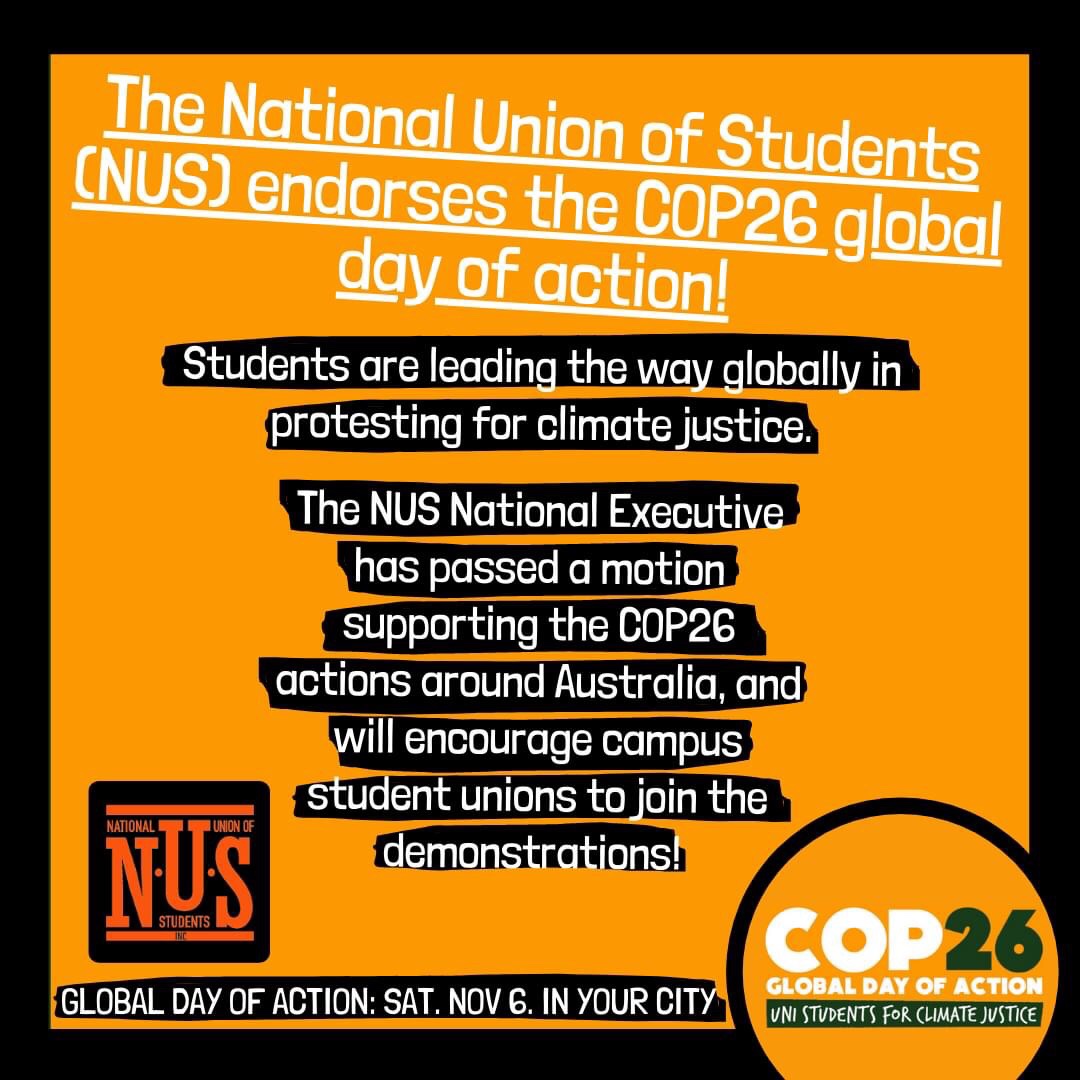
COP26 will kick off next Sunday 31 October, following a one-year delay due to the pandemic. The past weeks have been filled with attention-grabbing demonstrations, including a sit-in outside the Dutch parliament in The Hague and a harbour blockade of Shell’s refinery in Rotterdam. The urgent underlying message from civil society to world leaders remains the same: stop talking, start doing!

Will COP26 bring about the necessary action? Current forecasts are gloomy. The summit is on track to become the least inclusive COP to date. The UK government was recently urged by 1,500 civil society organisations to postpone the summit after it became apparent that most delegates from the Global South could not attend due to a combination of ‘vaccine apartheid’ and the UK’s stumbling COVID-19 response.

But it’s exactly these voices that must be heard, as people in developing countries are currently experiencing the most extreme impacts of the climate crisis. In a cruel twist, the same oil and gas companies that are most responsible plan to be in full attendance at the upcoming COP.

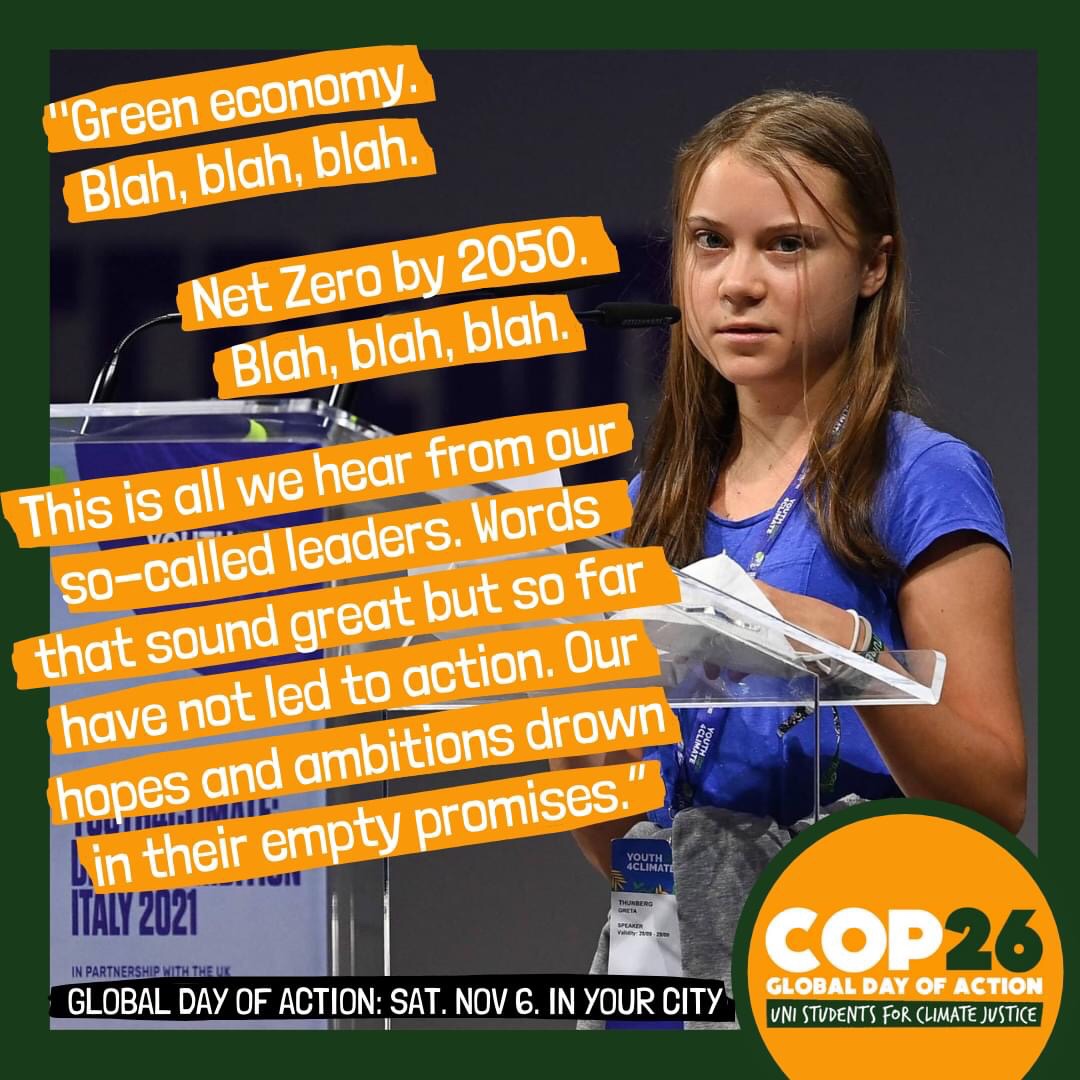
Let’s look back to 2015, when COP21 established the Paris Agreement commitments and provided a glimmer of hope. To reach the Paris goal of keeping warming below 1.5°C, almost 60% of oil and gas reserves and 90% of coal must remain in the ground. Yet seven years later we are failing dismally to reduce fossil fuel production. As Greta Thunberg recently wrote, we are currently on track for a world that is at least 2.7°C hotter by the end of the century – and that’s only if countries meet their current pledges.

Expect news, in-depth analysis, and a carefully curated round-up of links from our global team, campaigners and other media sites to keep you updated on everything that's going on before, during and after this vitally important event.`SUBSCRIBE NOW

To understand why we’re still setting the planet on fire, despite a scientific consensus and a plethora of feasible solutions, we must investigate what is happening behind the scenes. It is well established that the fossil fuel industry is blocking any governmental action that would disrupt drilling and burning as usual. There is less focus, however, on the mechanisms used by oil and gas companies to tie the hands of our political leaders.

For decades, fossil fuel companies have lobbied against effective climate action at the national, EU and international levels. Their threefold bag of lobbying tricks includes privileged access to decision makers, huge lobby spending and a revolving door with the public sector. The result is the widespread capture of decision-making processes and the mainstreaming of fossil fuel interests.

Our new research looks at the use of these three tools by six fossil fuel giants – Shell, BP, Total, Equinor, ENI and Galp – in the period between Paris and Glasgow. Remarkably, this small club of companies, together with five of their lobby groups, managed to meet with top Commission officials a total of 568 times since 2015. And these talks did not come cheap: together, these companies spent over €170 million on their EU lobbying activities.

The same period also saw more than 70 revolving door cases: the hiring by companies of people who formerly held positions in the EU apparatus, international institutions, national governments and agencies and vice versa. Our research exposes a former chief spy who was hired by BP, a deputy prime minister who took up a position in Shell, and the former director of the International Energy Agency who now sits on Total’s board. The implications of revolving door cases, particularly such high-level ones, are significant. A top-ranking civil servant or minister arrives with perks, including a network of influential contacts and insider information about files and processes.

For decades, fossil fuel companies have lobbied against effective climate action at the national, EU and international levels.

Let’s zoom into some of our 70+ revolving door cases. Take, for example, Gerrit Zalm, a former Minister of Finance and Deputy Prime Minister for the Liberal Party (VVD), who was being paid as a Non-Executive Independent Director at Shell while chairing negotiations as a mediator to form a new Dutch government in 2017. Under Zalm’s supervision, a policy to eliminate dividend tax was included into the coalition agreement which Shell had been demanding for years but had not been included in any of the election manifestos.

Or take Helge Lund, currently the chair of BP’s board. He was a member of the UN Secretary General’s Advisory Group on Sustainable Energy from 2011-2014, while he was also CEO of the Norwegian fossil company Statoil. CO2 emissions from this company, now rebranded as Equinor, continue to increase, despite the company’s claims to be transitioning away from oil and gas.

In 2020 Equinor recruited Amber Rudd, the UK’s former Secretary of State for Energy and Climate Change and leader of the country’s delegation to Paris, for its international advisory board. She is a major supporter of carbon capture and storage (CCS), a costly and experimental technology that has failed to deliver despite decades of wasted public subsidies. CCS is also one of the ‘false solutions’ engineered by companies so they can keep burning fossil fuels. Equinor has big plans for CCS, including a controversial fossil hydrogen plant in the UK.

Fossil hydrogen and CCS are just two of the risky technologies and flawed schemes that are part of fossil fuel companies’ ‘net zero’ pledges. By aiming for carbon neutrality by 2050, they have ensured that they can continue to burn fossil fuels into the next decade. These plans are a smokescreen that distracts from the need to dramatically cut fossil fuel consumption and replace it with real alternatives. Nonetheless, most political institutions have fallen into the ‘net zero’ trap: COP26 is dubbed the ‘net zero COP’.

If our world leaders are to act, the revolving door between institutions, governments and the fossil fuel industry must stop. A core demand of the Fossil Free Politics platform is the removal of fossil fuels from politics, as their business model and interests cannot be reconciled with the implementation of policies to limit global warming to 1.5°C. As in the case of the tobacco lobby, a firewall between the fossil fuels lobby and our decision makers is needed. An essential start is the exclusion of oil and gas interests from COP26. This will create the space we need to ensure a controlled phase out of fossil fuel production so that we can reach ‘real zero’.

terça-feira, 26 de outubro de 2021

What If We Stopped Pretending?


“There is infinite hope,” Kafka tells us, “only not for us.” This is a fittingly mystical epigram from a writer whose characters strive for ostensibly reachable goals and, tragically or amusingly, never manage to get any closer to them. But it seems to me, in our rapidly darkening world, that the converse of Kafka’s quip is equally true: There is no hope, except for us.

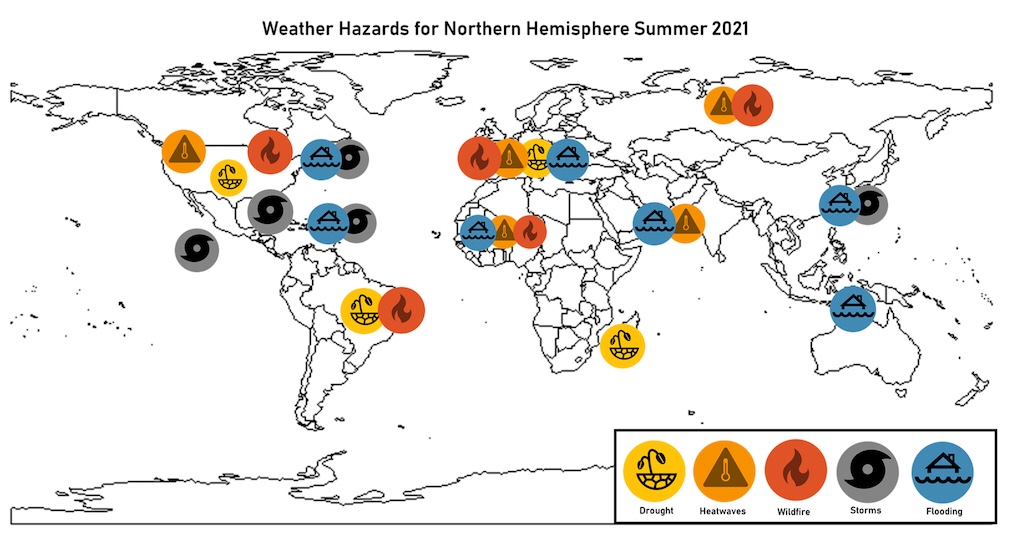
I’m talking, of course, about climate change. The struggle to rein in global carbon emissions and keep the planet from melting down has the feel of Kafka’s fiction. The goal has been clear for thirty years, and despite earnest efforts we’ve made essentially no progress toward reaching it. Today, the scientific evidence verges on irrefutable. If you’re younger than sixty, you have a good chance of witnessing the radical destabilization of life on earth—massive crop failures, apocalyptic fires, imploding economies, epic flooding, hundreds of millions of refugees fleeing regions made uninhabitable by extreme heat or permanent drought. If you’re under thirty, you’re all but guaranteed to witness it.

If you care about the planet, and about the people and animals who live on it, there are two ways to think about this. You can keep on hoping that catastrophe is preventable, and feel ever more frustrated or enraged by the world’s inaction. Or you can accept that disaster is coming, and begin to rethink what it means to have hope.

Even at this late date, expressions of unrealistic hope continue to abound. Hardly a day seems to pass without my reading that it’s time to “roll up our sleeves” and “save the planet”; that the problem of climate change can be “solved” if we summon the collective will. Although this message was probably still true in 1988, when the science became fully clear, we’ve emitted as much atmospheric carbon in the past thirty years as we did in the previous two centuries of industrialization. The facts have changed, but somehow the message stays the same.

Psychologically, this denial makes sense. Despite the outrageous fact that I’ll soon be dead forever, I live in the present, not the future. Given a choice between an alarming abstraction (death) and the reassuring evidence of my senses (breakfast!), my mind prefers to focus on the latter. The planet, too, is still marvelously intact, still basically normal—seasons changing, another election year coming, new comedies on Netflix—and its impending collapse is even harder to wrap my mind around than death. Other kinds of apocalypse, whether religious or thermonuclear or asteroidal, at least have the binary neatness of dying: one moment the world is there, the next moment it’s gone forever. Climate apocalypse, by contrast, is messy. It will take the form of increasingly severe crises compounding chaotically until civilization begins to fray. Things will get very bad, but maybe not too soon, and maybe not for everyone. Maybe not for me.

Some of the denial, however, is more willful. The evil of the Republican Party’s position on climate science is well known, but denial is entrenched in progressive politics, too, or at least in its rhetoric. The Green New Deal, the blueprint for some of the most substantial proposals put forth on the issue, is still framed as our last chance to avert catastrophe and save the planet, by way of gargantuan renewable-energy projects. Many of the groups that support those proposals deploy the language of “stopping” climate change, or imply that there’s still time to prevent it. Unlike the political right, the left prides itself on listening to climate scientists, who do indeed allow that catastrophe is theoretically avertable. But not everyone seems to be listening carefully. The stress falls on the word theoretically.

Our atmosphere and oceans can absorb only so much heat before climate change, intensified by various feedback loops, spins completely out of control. Some scientists and policymakers fear that we’re in danger of passing this point of no return if the global mean temperature rises by more than two degrees Celsius (maybe more, but also maybe less). The I.P.C.C.—the Intergovernmental Panel on Climate Change—tells us that, to limit the rise to less than two degrees, we not only need to reverse the trend of the past three decades. We need to approach zero net emissions, globally, in the next three decades.

This is, to say the least, a tall order. It also assumes that you trust the I.P.C.C.’s calculations. New research, described last month in Scientific American, demonstrates that climate scientists, far from exaggerating the threat of climate change, have underestimated its pace and severity. To project the rise in the global mean temperature, scientists rely on complicated atmospheric modelling. They take a host of variables and run them through supercomputers to generate, say, ten thousand different simulations for the coming century, in order to make a “best” prediction of the rise in temperature. When a scientist predicts a rise of two degrees Celsius, she’s merely naming a number about which she’s very confident: the rise will be at least two degrees. The rise might, in fact, be far higher.

As a non-scientist, I do my own kind of modelling. I run various future scenarios through my brain, apply the constraints of human psychology and political reality, take note of the relentless rise in global energy consumption (thus far, the carbon savings provided by renewable energy have been more than offset by consumer demand), and count the scenarios in which collective action averts catastrophe. The scenarios, which I draw from the prescriptions of policymakers and activists, share certain necessary conditions.

The first condition is that every one of the world’s major polluting countries institute draconian conservation measures, shut down much of its energy and transportation infrastructure, and completely retool its economy. According to a recent paper in Nature, the carbon emissions from existing global infrastructure, if operated through its normal lifetime, will exceed our entire emissions “allowance”—the further gigatons of carbon that can be released without crossing the threshold of catastrophe. (This estimate does not include the thousands of new energy and transportation projects already planned or under construction.) To stay within that allowance, a top-down intervention needs to happen not only in every country but throughout every country. Making New York City a green utopia will not avail if Texans keep pumping oil and driving pickup trucks.

The actions taken by these countries must also be the right ones. Vast sums of government money must be spent without wasting it and without lining the wrong pockets. Here it’s useful to recall the Kafkaesque joke of the European Union’s biofuel mandate, which served to accelerate the deforestation of Indonesia for palm-oil plantations, and the American subsidy of ethanol fuel, which turned out to benefit no one but corn farmers.

Finally, overwhelming numbers of human beings, including millions of government-hating Americans, need to accept high taxes and severe curtailment of their familiar life styles without revolting. They must accept the reality of climate change and have faith in the extreme measures taken to combat it. They can’t dismiss news they dislike as fake. They have to set aside nationalism and class and racial resentments. They have to make sacrifices for distant threatened nations and distant future generations. They have to be permanently terrified by hotter summers and more frequent natural disasters, rather than just getting used to them. Every day, instead of thinking about breakfast, they have to think about death.

Call me a pessimist or call me a humanist, but I don’t see human nature fundamentally changing anytime soon. I can run ten thousand scenarios through my model, and in not one of them do I see the two-degree target being met.

To judge from recent opinion polls, which show that a majority of Americans (many of them Republican) are pessimistic about the planet’s future, and from the success of a book like David Wallace-Wells’s harrowing “The Uninhabitable Earth,” which was released this year, I’m not alone in having reached this conclusion. But there continues to be a reluctance to broadcast it. Some climate activists argue that if we publicly admit that the problem can’t be solved, it will discourage people from taking any ameliorative action at all. This seems to me not only a patronizing calculation but an ineffectual one, given how little progress we have to show for it to date. The activists who make it remind me of the religious leaders who fear that, without the promise of eternal salvation, people won’t bother to behave well. In my experience, nonbelievers are no less loving of their neighbors than believers. And so I wonder what might happen if, instead of denying reality, we told ourselves the truth.

First of all, even if we can no longer hope to be saved from two degrees of warming, there’s still a strong practical and ethical case for reducing carbon emissions. In the long run, it probably makes no difference how badly we overshoot two degrees; once the point of no return is passed, the world will become self-transforming. In the shorter term, however, half measures are better than no measures. Halfway cutting our emissions would make the immediate effects of warming somewhat less severe, and it would somewhat postpone the point of no return. The most terrifying thing about climate change is the speed at which it’s advancing, the almost monthly shattering of temperature records. If collective action resulted in just one fewer devastating hurricane, just a few extra years of relative stability, it would be a goal worth pursuing.

In fact, it would be worth pursuing even if it had no effect at all. To fail to conserve a finite resource when conservation measures are available, to needlessly add carbon to the atmosphere when we know very well what carbon is doing to it, is simply wrong. Although the actions of one individual have zero effect on the climate, this doesn’t mean that they’re meaningless. Each of us has an ethical choice to make. During the Protestant Reformation, when “end times” was merely an idea, not the horribly concrete thing it is today, a key doctrinal question was whether you should perform good works because it will get you into Heaven, or whether you should perform them simply because they’re good—because, while Heaven is a question mark, you know that this world would be better if everyone performed them. I can respect the planet, and care about the people with whom I share it, without believing that it will save me.

More than that, a false hope of salvation can be actively harmful. If you persist in believing that catastrophe can be averted, you commit yourself to tackling a problem so immense that it needs to be everyone’s overriding priority forever. One result, weirdly, is a kind of complacency: by voting for green candidates, riding a bicycle to work, avoiding air travel, you might feel that you’ve done everything you can for the only thing worth doing. Whereas, if you accept the reality that the planet will soon overheat to the point of threatening civilization, there’s a whole lot more you should be doing.

Our resources aren’t infinite. Even if we invest much of them in a longest-shot gamble, reducing carbon emissions in the hope that it will save us, it’s unwise to invest all of them. Every billion dollars spent on high-speed trains, which may or may not be suitable for North America, is a billion not banked for disaster preparedness, reparations to inundated countries, or future humanitarian relief. Every renewable-energy mega-project that destroys a living ecosystem—the “green” energy development now occurring in Kenya’s national parks, the giant hydroelectric projects in Brazil, the construction of solar farms in open spaces, rather than in settled areas—erodes the resilience of a natural world already fighting for its life. Soil and water depletion, overuse of pesticides, the devastation of world fisheries—collective will is needed for these problems, too, and, unlike the problem of carbon, they’re within our power to solve. As a bonus, many low-tech conservation actions (restoring forests, preserving grasslands, eating less meat) can reduce our carbon footprint as effectively as massive industrial changes.

All-out war on climate change made sense only as long as it was winnable. Once you accept that we’ve lost it, other kinds of action take on greater meaning. Preparing for fires and floods and refugees is a directly pertinent example. But the impending catastrophe heightens the urgency of almost any world-improving action. In times of increasing chaos, people seek protection in tribalism and armed force, rather than in the rule of law, and our best defense against this kind of dystopia is to maintain functioning democracies, functioning legal systems, functioning communities. In this respect, any movement toward a more just and civil society can now be considered a meaningful climate action. Securing fair elections is a climate action. Combatting extreme wealth inequality is a climate action. Shutting down the hate machines on social media is a climate action. Instituting humane immigration policy, advocating for racial and gender equality, promoting respect for laws and their enforcement, supporting a free and independent press, ridding the country of assault weapons—these are all meaningful climate actions. To survive rising temperatures, every system, whether of the natural world or of the human world, will need to be as strong and healthy as we can make it.

And then there’s the matter of hope. If your hope for the future depends on a wildly optimistic scenario, what will you do ten years from now, when the scenario becomes unworkable even in theory? Give up on the planet entirely? To borrow from the advice of financial planners, I might suggest a more balanced portfolio of hopes, some of them longer-term, most of them shorter. It’s fine to struggle against the constraints of human nature, hoping to mitigate the worst of what’s to come, but it’s just as important to fight smaller, more local battles that you have some realistic hope of winning. Keep doing the right thing for the planet, yes, but also keep trying to save what you love specifically—a community, an institution, a wild place, a species that’s in trouble—and take heart in your small successes. Any good thing you do now is arguably a hedge against the hotter future, but the really meaningful thing is that it’s good today. As long as you have something to love, you have something to hope for.

In Santa Cruz, where I live, there’s an organization called the Homeless Garden Project. On a small working farm at the west end of town, it offers employment, training, support, and a sense of community to members of the city’s homeless population. It can’t “solve” the problem of homelessness, but it’s been changing lives, one at a time, for nearly thirty years. Supporting itself in part by selling organic produce, it contributes more broadly to a revolution in how we think about people in need, the land we depend on, and the natural world around us. In the summer, as a member of its C.S.A. program, I enjoy its kale and strawberries, and in the fall, because the soil is alive and uncontaminated, small migratory birds find sustenance in its furrows.

There may come a time, sooner than any of us likes to think, when the systems of industrial agriculture and global trade break down and homeless people outnumber people with homes. At that point, traditional local farming and strong communities will no longer just be liberal buzzwords. Kindness to neighbors and respect for the land—nurturing healthy soil, wisely managing water, caring for pollinators—will be essential in a crisis and in whatever society survives it. A project like the Homeless Garden offers me the hope that the future, while undoubtedly worse than the present, might also, in some ways, be better. Most of all, though, it gives me hope for today.

A previous version of this article mischaracterized the scientific consensus around a “point of no return.”

Jonathan Franzen is a frequent contributor to The New Yorker 

sexta-feira, 15 de outubro de 2021

The climate crisis is destroying the human rights of those least responsible for it


The UN must urgently appoint a special rapporteur on climate change and human rights to galvanise action on the biggest threat to fundamental freedoms.

By Patrick Verkooijen and AK Abdul Momen

Climate breakdown is making a mockery of human rights.

Start with the most fundamental right of all: the right to life, liberty and security. Two million people have died as a result of a five-fold increase in weather-related disasters in our lifetimes. And given that 90% of these deaths have occurred in developing countries, which have contributed the least to global heating, the climate crisis is also making a mockery of the notion that we are all born equal – as the UN Declaration of Human Rights and numerous national constitutions assert.

Next, consider other fundamental freedoms, such as the right to work, to an education, to own property. These too are being undermined by the climate emergency. UNHCR, the UN refugee agency, estimates that 21.5 million people are displaced by climate change-related disasters every year – more than twice the number of those forced to flee conflict or violence.


Rights that most of us take for granted – the right to nationhood, for example – could soon be denied to citizens of island nations if rising sea levels continue unchecked.

The climate crisis is setting back the clock on human progress. More than 2 billion people live in countries with high exposure to climate-related hazards.Their capacity to recover when disaster strikes is limited. And when those affected are refugees and displaced populations, the impact is simply heartbreaking. When flooding and landslides struck the Rohingya refugee camps in Bangladesh this summer, thousands of people relived the nightmare of losing everything and being displaced yet again.


We believe it’s time to train the spotlight on the impact our climate emergency is having on human rights. It may sound obvious, but it is not happening.

Take the reality of climate refugees. At present, neither they nor environmental migrants nor environmentally displaced people are recognised by the 1951 UN Convention on Refugees. They are not entitled to even the minimum protection accorded under international human rights law. This must change.

Consider also the rights of younger generations who will come of age during the current climate emergency, and the rights of those who have yet to be born. As Greta Thunberg reminds us, should they be denied their fundamental human rights because of our failure to act on climate breakdown?

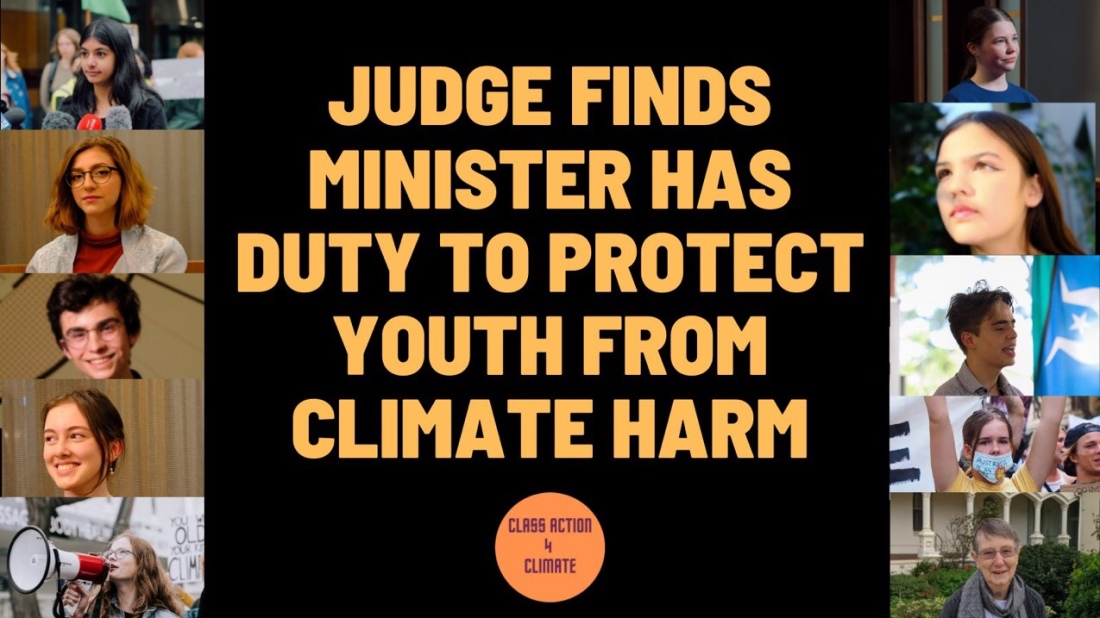
The rights of climate refugees, of young people and of future generations are now being tested through the courts. Climate litigation is increasing. At the last count, there were more than 1,800 cases outstanding in dozens of countries around the world, rich and poor.


The supreme court of the Netherlands has mandated emissions cuts on both the government and Royal Dutch Shell. Families from the EU, Kenya and Fiji are taking the European parliament and the Council of the EU to court in an attempt to enforce more ambitious climate-change mitigation targets. In Pakistan, the supreme court has upheld the right of Punjab to protect its water-stressed areas against further industrial development, specifically citing climate change and the rights of unborn generations in its ruling.

“The tragedy is that tomorrow’s generations aren’t here to challenge this pillaging of their inheritance. This court should be mindful that its decisions also adjudicate upon the rights of the future generations of this country,” Justice Syed Mansoor Ali Shah said in his summing up.

But lawsuits are a slow and piecemeal way of enforcing human rights. More importantly, they don’t work in countries with weak legal systems or where human rights are not respected.

We will not win the battle against the climate emergency one lawsuit at a time.


This is just one of the reasons why the Climate Vulnerable Forum (CVF), a group of 48 nations on the frontlines of climate breakdown, which is supported by the Global Center on Adaptation, has been backing a motion for a new UN special rapporteur on climate change and human rights since 2019. We are asking the UN Human Rights Council, whose mission it is to protect human rights, to create this new position.

Only this month, Michelle Bachelet, a former President of Chile and current head of the Human Rights Council, called the “triple planetary crises” of climate change, pollution and nature loss “the greatest challenge to human rights of our era.”


We agree, and it is why we believe climate threats to human rights deserve a higher priority within the UN.

The new special rapporteur would have a mandate to protect people from the worst impacts of the climate crisis. He or she will have their work cut out. Sea levels are rising, sea ice is retreating, glaciers are melting and rainfall patterns have become more unpredictable. Extreme weather events are becoming more frequent and more intense. The UNHCR predicts that the number of climate refugees and displaced people could reach 200 million a year by 2050 – nearly double the number today.

The special rapporteur will have a duty to witness the impact of climate breakdown on human rights first-hand, visiting countries affected by climate disasters and galvanizing action across the family of UN organizations and the wider public sphere.

There is no time to lose. The longer we delay action to support people who are vulnerable to climate breakdown, the worse the consequences are likely to be, making responses even more complex and costly.

The UN’s top scientists warned in August that even if we were to succeed in reining in emissions, we still face many decades of climate disruption because of the greenhouse gases that are already trapped in the atmosphere.

This decision to appoint a UN special envoy on climate and human rights is long overdue. The UN Human Rights Council, currently in session, could take this decision now. This is precisely what the CVF has called for in its manifesto for Cop26. By doing so, the Council would demonstrate that UN bodies can take decisive climate measures, a much-needed positive impulse for the Glasgow summit on which our planet’s fate hinges. That move is also the international community’s strongest signal it is prepared to staunch the climate emergency’s hemorrhaging of human rights. We sincerely hope it will.

Patrick Verkooijen is CEO of the Global Center on Adaptation, AK Abdul Momen is the Minister of Foreign Affairs of Bangladesh that is presiding the Climate Vulnerable Forum

Fonte: aqui

sexta-feira, 26 de julho de 2019

Don Walsh: com a subida das águas do mar, “teremos nações inteiras a ter de ir embora”

Foto e notícia aqui

Foi há quase 60 anos que o tenente norte-americano Don Walsh e o engenheiro suíço Jacques Piccard decidiram ir onde nunca ninguém tinha ido: o ponto mais fundo do mar, na Fossa das Marianas, a quase 11 mil metros de profundidade — e conseguiram-no. Agora, volvidas seis décadas, o oceanógrafo Don Walsh tem notado nas suas expedições o efeito destruidor das alterações climáticas e deixa o alerta de que ainda “temos tempo” para mudar as cidades costeiras para terrenos mais elevados; caso contrário, haverá cada vez mais refugiados climáticos. “Pela primeira vez na história da humanidade, teremos nações inteiras a ter de ir embora das suas terras por causa das alterações climáticas. Para onde vão?”, questiona.

É o caso das ilhas Seicheles, de Tuvalu ou das Maldivas, onde a maior parte do terreno está nem a um metro acima do nível da água do mar, diz ao PÚBLICO Don Walsh, numa entrevista à margem da Conferência Global de Exploração (Glex), que se realizou pela primeira vez em Lisboa para assinalar os 500 anos da circum-navegação de Fernão de Magalhães. “É um assunto muito sério e o mais provável é que muitas das pessoas perderão as suas casas e as suas terras por não darem ouvidos aos conselhos dos especialistas”, explica.

De olhos postos no rio Tejo, Don Walsh refere que a natureza se mexe devagar, mas que é ela que está ao comando. “Nesta zona ribeirinha de Lisboa não se está muito acima do nível da água. Até ao final deste século, poderemos não ter edifícios submersos, mas as estradas e infra-estruturas começarão a ficar inundadas”, aponta o explorador.

No “rés-do-chão” do oceano
Dos 87 anos de vida de Don Walsh, a maior parte deles foi passada enquanto uma das únicas duas pessoas no mundo a ter ido ao ponto mais fundo do oceano (em 2012 o realizador James Cameron juntou-se à lista, assim como Victor Vescovo em Maio deste ano; Jacques Piccard morreu em 2008). Foi quando tinha 28 anos, a 23 de Janeiro de 1960, que se aventurou com Jacques Piccard a bordo do batíscafo Trieste – desenhado pelo pai de Piccard, Auguste – até ao Challenger Deep, uma ranhura nas profundezas da Fossa das Marianas que é o ponto mais fundo do mar (o nome é uma homenagem ao navio britânico Challenger II, que descobriu o ponto em 1951). Chegaram aos 10.911 metros.

segunda-feira, 31 de dezembro de 2012

Neturei Karta, judeus que apoiam os inimigos de Israel


O movimento ultra-ortodoxo judeu Neturei Karta apoia a causa palestina, em linha com um ferrenho ideário antissionista que o levou a se aproximar de alguns dos maiores inimigos de Israel como Mahmoud Ahmadinejad e Yasser Arafat.

Uma recente visita solidária à Faixa de Gaza, após a ofensiva israelita de novembro, e sua recente presença em Ramala durante os atos comemorativos pelo reconhecimento da Palestina como Estado observador da ONU, são apenas algumas das últimas atividades de um grupo cujos membros costumam aparecer na imprensa defendendo posições claramente anti-israelitas, embora muitos ignorem o porquê.

Fundada em 1938 em Jerusalém sob mandato britânico, Neturei Karta é um termo aramaico que significa "Guardiões da Cidade" e alude a custódios espirituais da fé talmúdica que lutavam contra o laicismo que o sionismo defendia na época.

O seu ideário defende o desmantelamento pacífico de Israel segundo a crença mais ortodoxa que os judeus estão proibidos de ter um Estado próprio até que não aconteça o advento do messias, segundo um castigo que aparece no livro do profeta Amós.

"A ideia sionista é contrária à religião judia, e nós como judeus autênticos nos opomos a ela", defende em entrevista à Agência Efe o rabino Meir Hirsch, líder do grupo, em sua casa do bairro ultra-ortodoxo de Mea Shearim, de Jerusalém.

Filho do ex-ministro para Assuntos Judeus da Autoridade Nacional Palestina (ANP), Moshé Hirsch, Meir aponta que inclusive a utilização de "Israel" como nome do Estado representa uma "usurpação", porque "os sionistas escolheram se separar do povo judeu" e não têm nenhum direito de falar em seu nome.

Sustenta que após o castigo divino do exílio, ocorrido no século I, as profecias sagradas só falam de um "reino celestial" e que não é missão do homem forçar o estabelecimento de um Estado.

Trata-se de uma postura que há três décadas caracterizava quase toda a ultra-ortodoxia judaica, embora com o tempo boa parte dos setores que a formam tenha claudicado e participado da vida do Estado e inclusive do jogo político.

"Eles se assimilaram", sentencia o rabino, considerado popularmente pela imprensa israelita como "o ministro das Relações Exteriores" do grupo, uma função que herdou do seu pai, amigo de Arafat, ex-líder palestino que, garante, "foi assassinado pelos sionistas".

Tachados por alguns como seita radical, Hirsch afirma que o seu grupo é integrado por dezenas de milhares de pessoas com comunidades espalhadas principalmente entre Jerusalém e Nova York.

Com cidadania americana, Hirsch é consequente com as suas crenças e aponta que a sua comunidade vive de doações estrangeiras, à margem do Estado de Israel, que diz deixar a cada três meses por contar com um visto de turista.

Pelas ruas de Mea Shearim são frequentes os cartazes do seu grupo nos quais adverte que o movimento nacional judeu perpetra um "Holocausto" de seu próprio povo porque "tenta transformar pela força um povo crente num povo infiel".

Hirsch explica que, segundo o Talmude, os judeus não estão autorizados a dominar, matar, magoar ou degradar outro povo e não devem ter nada a ver com a iniciativa sionista e as suas guerras.

Por isso se opõem a desempossar os palestinos de suas terras e lares e defendem como solução ao conflito do Médio Oriente "o desmantelamento de Israel e a criação em todo o território de um único Estado", o da Palestina.

"Sabemos que o Estado sionista desaparecerá do mapa. Como? Nós não comandamos a agenda divina", acrescentou.

Estes zelotes, que se consideram os únicos guardiões verdadeiros da lei judaica, descendem de comunidades na Hungria e Lituânia que se assentaram no século 19 na Cidade Antiga de Jerusalém.

E, embora vivam em Israel, se consideram ainda no exílio da diáspora, um exílio "muito pior" ao do que se estivessem a viver "nos Estados Unidos ou França", opina.

Mas talvez o mais controverso da sua agenda sejam os seus apoios a inimigos declarados, passados e presentes, do Estado judeu.

No marco das atividades do movimento judeu contra ao que ele classifica como "desgraçada resolução" de partilha da Palestina em 1947, fizeram sua a causa da OLP, hoje em dia a do Hamas, e em 2006 a de Ahmadinejad, ao participar em Teerão de um seminário repleto de figuras que negam o Holocausto.

"Os sionistas colaboraram para o extermínio dos judeus na Europa a fim de obter o seu Estado", assegura Hirsch, que se mostra contrário ao "uso cínico do Holocausto", em linha com um ideário atribuído entre outros ao presidente iraniano, a quem classifica de "carismático" e "moral".

Com a sua posição radical, o Neturei Karta não só colheu iradas críticas entre os israelitas, mas também entre os demais ultra-ortodoxos, que consideram o grupo uma avis rara do variado povo judeu, empenhado em seguir a penitência do exílio até que Deus lhes devolva ao "reino dos céus".