Vladislav Delay - Toive from Lorenzo Sportiello on Vimeo.
sábado, 31 de julho de 2010

sexta-feira, 30 de julho de 2010
Curta-Metragem: Conforto [Comfort Fit - Bit by Bit]
Ai, as arrumações de Verão. Vejam esta curta.Dá que pensar!!
quinta-feira, 29 de julho de 2010
Revolução Verde e Paradoxo Demográfico

A fome no mundo de milhões de pessoas é demasiado real para podermos encará-la sem perplexidade e tentar resolvê-la com estereótipos. Nessa medida, nem se pode subalternizar o facto de uma tecnologia poderosa, agronómica e química, ter "revolucionado" as quantidades de alimentos produzidos, nem se pode ignorar que essa multiplicação deixou milhões de pessoas na fome e legou problemas de sustentabilidade (fome futura!) que são um quebra-cabeças, desde a erosão à contaminação de solos e muitos outros. E não é apenas a "revolução verde" em termos agronómicos e químicos que está em causa, mas um complexo sistema tecnológico e civilizacional, que inclui a mecanização intensiva e consequente empobrecimento dos ecossistemas agrícolas, arrasando sebes para melhor circulação das grandes máquinas, apostando tudo nas grandes monoculturas, a opção económica e política ela expulsão dos camponeses da terra, por orientar os sistemas produtivos no "terceiro mundo" para a exportação de bens alimentares de interesse secundário deixando as populações locais mais pobres em alimentos essenciais e tornando-as até dependentes para esses bens básicos da importação da agricultura dos países ricos, por reduzir drasticamente o número de explorações agrícolas porque o "mercado" não consente que elas sejam viáveis e façam viver as famílias que ficam na terra, pela "necessidade" (leia-se: opção) de baixar drasticamente os preços alimentares para manter salários relativamente baixos e libertar rendimentos para o consumo dos bens industriais, e vários outros fatores.
Um dos aspetos mais curiosos da questão na sua real amplitude é aquilo a que chamo o paradoxo demográfico, que se pode ver em ação nos trabalhos dos historiadores do passado e dos sociólogos do presente. Isto é: o aumento populacional, ao contrário do que muitas vezes se supõe, não é algo que se resolva com maior produção alimentar PORQUE RESULTA DELA: é a maior disponibilidade de bens alimentares que permite o aumento populacional e não o contrário. Isso está comprovado em vários casos históricos e é inegável. Mas, por outro lado, como os "sociólogos da fome" também demonstraram, em especial no "terceiro mundo" (onde a colonização e a exploração ocidental imprimiu às sociedades locais inflexões de rumo específicas que não permitem que isolemos os fenómenos nelas presentes do surgimento da colonização), a fome está associada a populações excessivas, crescentes, com altas taxas de natalidade... Reduzir estes dois fenómenos contraditórios a explicações simplistas não nos ajudará muito.
Esse paradoxo está bem presente na nota do Carlos Aguiar. O primeiro fenómeno reveste esta forma que refere o Carlos: "As sacas de sulfato de amónio, de nitrato de cálcio, e outros adubos químicos, multiplicaram a população humana por quatro em 100 anos." Ou seja, o aumento de produção alimentar não se teria limitado a responder a necessidades alimentares de uma dada população, antes foi o fator do aumento populacional (sem esquecer que outros fatores existiram noutros domínios que não os da produção de alimentos).
O segundo fenómeno está de certa forma referido nesta outra frase por ele escrita: "No final do séc. XIX, William Crooks, um químico e físico inglês, alertou para o facto da população mundial estar a crescer aceleradamente e que se não fossem encontradas alternativas ao nitrato do Chile era inevitável uma fome global." Aqui as bocas seriam mais que as que poderiam ser alimentadas.
Como é próprio do paradoxo (diferentemente da simples e linear contradição, que é do domínio do pensamento), ele é um resultado da realidade e da sua complexidade e da coexistência de tensões opostas mas ambas reais.
Isso põe também o problema seguinte: será que, como afirmam tão frequentemente economistas e políticos, o aumento demográfico é não só uma boa coisa como uma coisa indispensável? Sem ele estaríamos perdidos - diz-se. A China e a Índia, as mais populosas nações do mundo, há muito que, embora com métodos diferentes, praticam o contrário disso, ou seja políticas (melhores ou piores) de limitação da natalidade. E aqui, do ponto de vista do movimento ecológico, surge a relevância do mútuo reforço de dois fatores convergentes na raiz da contínua degradação ambiental, inclusive dos solos e recursos agrícolas neles aplicados, degradação essa que é o sintoma claro da INSUSTENTABILIDADE do atual modelo agronómico: por um lado o aumento populacional, por outro lado a desmesura com que a civilização atual aplica a sua enorme potência tecnológica, a que acresce o facto de o sistema económico geral que domina se apoiar na necessidade de continuamente aumentar esses dois fatores e o respectivo consumo exponencial de toda a espécie de matérias primas, recursos vivos, etc.
Por isso, nem o atual modelo agronómico ("borlauguiano"...) poderá responder aos desafios do presente e do futuro; nem a alternativa poderá ser um outro modelo agronómico, seja ele "biológico", que apenas altere os métodos de cultivo isolando-os de todos os restantes fatores (sociais, económicos, tecnológicos, demográficos, civilizacionais).
Arne Naess, o mais notável filósofo que o movimento ecológico produziu (talvez porque antes de ser ecologista era já um filósofo notável), aponta claramente no sentido da redução gradual, voluntária e coletiva da população mundial, no que aliás converge com diversos movimentos de raiz ecológica que defendem desde os anos 1970 (por vezes de uma maneira que levanta outros problemas e algumas discordâncias importantes que eu subscreveria) a estabilização primeiro e redução depois da população mundial como indispensável para enfrentar a crise ecológica. Essas perspetivas, bastante visíveis no movimento ecoambiental mundial até 1980, sofreram depois um apagamento (como aliás o movimento na sua generalidade, até 1992 pelo menos, quando a Cimeira da Terra de certa forma começou a inverter o refluxo), e hoje são muito tímidas ou inaudíveis as vozes que põem a questão dentro do próprio movimento. Mas isso em nada afeta a importância teórica e prática dela.
Sobre a questão da população vista por Naess pode ver-se em português o texto que lhe é dedicado no livro Ganhar a Vida - Objectivo 7 Garantir a Sustentabilidade Ambiental, editado, sob coordenação de João Paulo Cotrim, pelo IPAD - Instituto Português de Apoio ao Desenvolvimento, na sua página 68 ("Arne Naess: cinco ideias para uma mudança"), que redigi.
quarta-feira, 28 de julho de 2010
Capitalismo: Uma História de Amor (Capitalism: A Love Story) – 2009

Elenco: Michael Moore
Nota no Bioterra [0-10]: 7.0
Sinopse: Ao mesmo tempo com humor e coragem, Capitalism: A Love Story explora uma pergunta: “Qual o preço que a América tem de pagar pelo seu amor pelo capitalismo?” Há alguns anos esse amor parecia inocente. Hoje, no entanto, o Sonho Americano parece mais um pesadelo, quando as pessoas têm de pagar com os seus empregos, a suas casas e as suas poupanças. Moore leva-nos até às casas de gente normal, cujas vidas ficaram viradas do avesso, e vai à procura de explicações em Washington e outros locais.
Michael Moore analisa uma vez mais um problema óbvio do estilo de vida americano.
Ver filme
terça-feira, 27 de julho de 2010
Curtas: Big bang Big Boom
BIG BANG BIG BOOM - the new wall-painted animation by BLU from blu on Vimeo.
Ver até ao fim.
segunda-feira, 26 de julho de 2010
Por falar em calor: ilhas de calor urbano
 |
| Foto: Nuno Mamede Santos |
O efeito de ilha de calor nos países de latitudes médias (frios ou temperados) é mais marcado no período nocturno, e a sua intensidade é função não linear da população urbana.
Mais Informação:
- Clima Urbano (em português)
- Efecto isla de calor urbano (2004) Sebastian Wypych, Anita Bokwa, Jagiellonian University, Cracovia, Polonia
- www.urbanheatislands.com Sitio que intenta resumir la mayor cantidad de informacion sobre las islas de calor urbanas
- http://www.puc.cl/sw_educ/contam/efect/efur011.htm Contaminación, Islas de Calor
- http://www.meteored.com/ram/numero44/combatiendo-calor-grandes-ciudades-mundo.asp
- Land-Surface Air Temperature - from the IPCC
- Urban Heat Islands and Climate Change - from the University of Melbourne, Australia
- The Surface Temperature Record and the Urban Heat Island From RealClimate.org
- NASA Earth Observatory: The Earth's Big Cities, Urban Heat Islands
- Research and mitigation strategies on UHI - US EPA designated, National Center of Excellence on SMART Innovations at Arizona State University
- Urban Heat Island research group - NSF project, Department of Geography, Indiana State University
- UrbanHeatIslands.com - Urban Heat islands in Canada and the world
- Lawrence Berkeley National Laboratory Heat Island Group
domingo, 25 de julho de 2010
Médicos detectam superbactéria resistente a quase todos os antibióticos
 |
| NDM-1 tem sido encontrada em bactérias E.coli |
Uma nova superbactéria resistente a quase todos os antibióticos foi detetada em hospitais britânicos, indicou hoje um estudo, referindo que o micróbio é originário de países do sul da Ásia.
De acordo com o estudo, publicado na revista britânica The Lancet, os investigadores isolaram 37 doentes, incluindo alguns que tinham viajado para a Índia e para o Paquistão para realizarem cirurgias estéticas.
As «enterobacteriaceae» (bactérias que podem causar infeções do aparelho gastrointestinal e de outros órgãos do corpo), que produzem uma enzima do tipo NDM-1, foram detetadas pela primeira vez em 2009 por Timothy Walsh, da Universidade britânica de Cardiff, num doente sueco que tinha estado hospitalizado na Índia.
“A NDM-1 tem um forte potencial para se transformar num problema da saúde pública mundial e é necessária uma vigilância coordenada”, alertaram os autores do estudo, sublinhando que “a Índia disponibiliza cirurgias estéticas para a Europa e para a América e é provável que a NDM-1 se propague no mundo”.
A superbactéria é resistente a quase todos os tipos de antibióticos, incluindo aqueles geralmente reservados para emergências e ao tratamento de infeções multi-resistentes.
 “Com este género de bactéria, esgotamos quase todos os antibióticos. Apenas dois podem combater esta bactéria e um deles não é muito eficaz. Não irão existir novos antibióticos disponíveis em dez anos. Se permitirmos que estas infeções subsistam sem tratamento adequado, iremos presenciar provavelmente algumas mortes”, afirmou Timothy Walsh, numa entrevista à estação britânica BBC.
Só dois antibióticos - tigeciclina e colistina - combatem a nova superbactéria.
Cerca de 44 casos positivos do tipo NDM-1 foram identificados no estado de Tamil Nadu (sul da Índia) e 26 no estado de Haryana (norte), existindo ainda registos de casos em outras regiões indianas, no Bangladesh e no Paquistão.
Mais notícias em:
Study into resistant superbugs , WEST MIDLAND
sábado, 24 de julho de 2010
Medidas e acções a desenvolver no âmbito do Sistema Nacional de Prevenção e Protecção da Floresta contra Incêndios
 |
| Fonte: Earth Observatory |
Decreto-Lei de...2006!! Está quase tudo no papel. Falta cumprir.
sexta-feira, 23 de julho de 2010
Grande página da PBS sobre Evolução
 | ||||||||||||||||||||||
 | ||||||||||||||||||||||
 | ||||||||||||||||||||||
 | ||||||||||||||||||||||
 | ||||||||||||||||||||||


É só explorar, clicando nas imagens.Um excelente contributo para a divulgação do evolucionismo.
quinta-feira, 22 de julho de 2010
Cromoscópio- rápida vídeo-demonstração
Alguma vez desejaste ter visão raio-X ou super-humana? O Chromoscope premite explorares a nossa Galáxia (a Via Láctea) e o Universo distante numa série de comprimentos de onda desde raios-X até às compridas ondas de rádio.
Altera o comprimento de onda usando a barra no canto superior direito do ecrã do sítio e explora o espaço usando o rato. Para mais informações pode consultar o blogue.

quarta-feira, 21 de julho de 2010
A valsa dos anéis de Saturno (!)

New images from Cassini show icy particles in Saturn's F ring clumping into giant snowballs as the moon Prometheus makes multiple swings by the ring. The gravitational pull of the moon sloshes ring material around, creating wake channels that trigger the formation of objects as large as 20 kilometers (12 miles) in diameter.
Saturn's thin, kinky F ring was discovered by NASA's Pioneer 11 spacecraft in 1979. Prometheus and Pandora, the small "shepherding" moons on either side of the F ring, were discovered a year later by NASA's Voyager 1. In the years since, the F ring has rarely looked the same twice, and scientists have been watching the impish behavior of the two shepherding moons for clues.
Prometheus, the larger and closer to Saturn of the two moons, appears to be the primary source of the disturbances. At its longest, the potato-shaped moon is 148 kilometers (92 miles) across. It cruises around Saturn at a speed slightly greater than the speed of the much smaller F ring particles, but in an orbit that is just offset. As a result of its faster motion, Prometheus laps the F ring particles and stirs up particles in the same segment once in about every 68 days.
Some of these objects will get ripped apart the next time Prometheus whips around, Murray said. But some escape. Every time they survive an encounter, they can grow and become more and more stable.
Cassini scientists using the ultraviolet imaging spectrograph previously detected thickened blobs near the F ring by noting when starlight was partially blocked. These objects may be related to the clumps seen by Murray and colleagues.
The newly-found F ring objects appear dense enough to have what scientists call self-gravity. That means they can attract more particles to themselves and snowball in size as ring particles bounce around in Prometheus's wake, Murray said. The objects could be about as dense as Prometheus, though only about one-fourteenth as dense as Earth.
What gives the F ring snowballs a particularly good chance of survival is their special location in the Saturn system. The F ring resides at a balancing point between the tidal force of Saturn trying to break objects apart and self-gravity pulling objects together. One current theory suggests that the F ring may be only a million years old, but gets replenished every few million years by moonlets drifting outward from the main rings. However, the giant snowballs that form and break up probably have lifetimes of only a few months.
The new findings could also help explain the origin of a mysterious object about 5 to 10 kilometers (3 to 6 miles) in diameter that Cassini scientists spotted in 2004 and have provisionally dubbed S/2004 S 6. This object occasionally bumps into the F ring and produces jets of debris.
The new analysis fills in some blanks in our solar system's history, giving us clues about how it transformed from floating bits of dust to dense bodies,said Linda Spilker, Cassini project scientist at NASA's Jet Propulsion Laboratory in Pasadena, Calif. The F ring peels back some of the mystery and continues to surprise us.
terça-feira, 20 de julho de 2010
Evo-geneologia: os nossos primos

segunda-feira, 19 de julho de 2010
The Story of Cosmetics (2010) - em Português
-
Obrigado*Thanks Guilherme, Fernando, Patrícia e Michèle!
E-Livro Eco-Economia de Lester Brown
 Eco-Economia | ||||||||||||||||||||||||||||||||
| ||||||||||||||||||||||||||||||||
Sobre Lester Brown no BioTerra (postagens anteriores)
domingo, 18 de julho de 2010
Sons da Natureza Grátis- vejam e ouçam...
Free Nature Sounds
Use this free tool to play nature sounds on headphones while reading or meditating or just for fun.
In order for nature sounds to start playing choose a sound from drop-down box for one of the channels and drag the volume slider up. You can add more nature sounds to composition by choosing other sounds in other channels. It is also possible to add stereo effects by panning channels to the left or to the right.
By pressing button "Export To File" you can save your chosen composition of nature sounds into WAV file which later can be converted into MP3 (there are many WAV to MP3 converters on the Web) and uploaded for listening on your MP3 player.
In order to save nature sounds to wav file, you must have at least version 10 flash player (version 9 might allow only playing nature sounds but not saving them). You can get the newest flash player here.
O blogue do autor (Andris Zalitisr, Lituânia)
sexta-feira, 16 de julho de 2010
Ted Talks: Brian Skerry revela as glórias dos oceanos e os horrores
O fotógrafo Brian Skerry capta a vida acima e abaixo das ondas e como ele diz, tem observado muitos horrores e também a magia do oceano. Partilhando connosco imagens surpreendentemente íntimos da vida submarina, ele mostra o quão poderosas as imagens são para ajudar a fazer a mudança.
quinta-feira, 15 de julho de 2010
Energia Nuclear é mais cara que a Solar * Nuclear Energy Now More Expensive Than Solar

Numa notícia do New Yok Times de 27 de Julho, refere uma análise que permite apostar na eficiência energética, sem caírmos em tentações de megaprojectos solares como Moura ou no Sahel. Aliás a genuína e verdadeira democratização serão a produção e utilização domésticas de energias alternativas (solar, eólica)e não como ainda hoje em mãos monopolistas (corporações) e com preços de usura. Por outro lado, sabemos nós que os transportes consomem imensa energia. Temos que repensar muito bem nesta área, uma vez que para além de soluções mais sustentáveis, implica mudanças sociais e paradigmas de emprego e economia diferentes. Mas acredito que diversificando as fontes de energias renováveis (biomassa, marés,...) e reestruturar os meios de deslocação (apostando no comboio, metro e veiculo eléctrico) estarão criadas muitas condições para um futuro sustentável. Ler artigo completo abaixo (em Inglês)
Actualização 2019
quarta-feira, 14 de julho de 2010
Eu biodiversifico-me e tu?
Na página Europeia da Campanha de Biodiversidade foi publicado recentemente este belíssimo vídeo. Entretanto, mais de 67.750 pessoas no facebook aderiram à campanha da Comissão Europeia e tu?
Estamos Todos Juntos Nisto!
Nós assustamos as pessoas ao falar sobre 'decrescimento'

Por Molly Scott Cato
Para um economista ortodoxo, 'crescimento' é um artigo de fé. Em seu livro The Growth Illusion, Richard Douthwaite revela a reverência quase religiosa em que este santo dos santos da economia capitalista é mantido. Seu poder conceitual é tão abrangente que um economista teria que chamar um declínio na atividade econômica, como o observado em 2009, um exemplo de 'crescimento negativo' em vez de encolhimento ou recessão.
Traçar o crescimento económico desde 1955 em um gráfico deixa claro o quão extraordinária é a situação em que nos encontramos agora. Ele mostra a tendência consistentemente ascendente da atividade econômica no Reino Unido desde o final da Segunda Guerra Mundial. O crescimento econômico tem aumentado exponencialmente desde então. A recessão que se seguiu à crise financeira de 2008 é uma quebra dramática na tendência, demonstrando claramente uma reversão repentina da série contínua.
Dinheiro = carbono
Embora seja evidente para qualquer economista que também tenha interesse no meio ambiente que toda atividade econômica tem um impacto de carbono, esse declínio na produção não é recebido com entusiasmo por nossos formuladores de políticas – muito pelo contrário. Adair Turner advertiu contra comemorar a queda de 8,6% nas emissões de GEE calculadas para o segundo relatório do Comitê de Mudanças Climáticas , do qual ele é o presidente, uma vez que foram apenas consequência da recessão e, portanto, não poderiam ser contabilizadas. Lembrei-me de minha perversa tentação durante o período eleitoral de encorajar as pessoas a votarem nos conservadores, já que seu ataque de motosserra à economia inevitavelmente nos empurraria de volta à recessão.
Turner e sua laia, verdadeiros crentes no modo neoclássico, simplesmente não conseguem ver isso do outro lado do telescópio e perceber que, não apenas existe uma relação inevitável entre atividade econômica e emissões de carbono, mas que isso significa que temos que mudar para um novo paradigma econômico onde podemos prosperar sem estar em um estado de expansão perpétua.
Felizmente, nem todos estamos presos ao modelo de crescimento capitalista. Uma conferência recente em Leeds realizou uma sessão prática de trabalho sobre o desenvolvimento da alternativa, uma série de workshops em que revisamos os principais aspectos da vida – comportamento do consumidor, dinheiro, emprego e população – num mundo sem crescimento.
Uma frase mais bonita
O que estamos buscando é uma descida controlada ou o que Howard Odum chamou de "uma descida próspera". Abandonar a verdadeira fé da economia capitalista é um bom passo. Outra seria encontrar uma frase alegre para resumir para onde estamos indo. A expressão 'economia de estado estacionário' (cunhada por Herman Daly) é ambígua em termos de teoria econômica, além de implicar um estado de estagnação que não é atraente nem compatível com o modo de evolução criativa da natureza. O professor de Daly, Nicolae Georgescu-Roegen, usou a palavra 'degrowth', cuja variante francesa, ' decroissance', gerou todo um movimento político. Apesar dessas associações elegantes, em inglês é feio e tem implicações inúteis de um retorno ao cavalo e à carroça. Na conferência de Leeds, o diretor da New Economics Foundation, Andrew Simms, sugeriu que usássemos a frase "equilíbrio dinâmico" para o princípio central do novo paradigma econômico, uma sugestão que foi recebida com calorosos murmúrios de aprovação.
O crescimento é um conceito que tem suas próprias associações infelizes, sendo sintomático tanto do câncer quanto da obesidade, doenças que são cada vez mais prevalentes e permanecem como símbolos da proliferação destrutiva a que as economias capitalistas dão origem. À medida que co-criamos o novo paradigma, estamos aprendendo que menos realmente pode ser mais. Então, da próxima vez que você ouvir alguém dizer o quanto é importante que retornemos rapidamente ao caminho do crescimento para que possamos 'crescer à nossa maneira da recessão', tente propor a eles que imaginem um mundo onde floresçamos dentro dos limites enquanto vivemos em equilíbrio dinâmico com o nosso planeta.
terça-feira, 13 de julho de 2010
Um guia filosófico para condicionais, de Jonathan Bennett
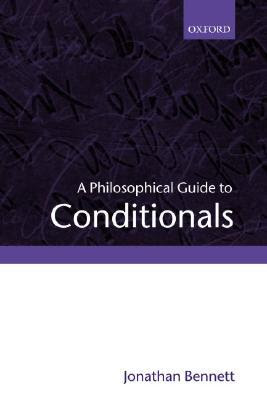
As frases condicionais são objeto de pesquisa não só em filosofia, mas também em psicologia e linguística. A bibliografia sobre o tema é densa, por vezes muito técnica e contém hipóteses contra-intuitivas, como a negação de que o modus ponens seja uma forma argumentativa válida. Atualmente, este é o único livro que abrange e analisa toda a discussão filosófica recente sobre as condicionais e pode ser considerado um guia de referência para o especialista e um manual para os que pretendem começar a participar da discussão atual. É um livro exigente e trará algumas dificuldades para alunos de graduação, mas não conheço outro ponto de partida melhor para quem se interessar pelo tema: para estudar as condicionais é preciso dominar conceitos que abrangem da metafísica dos mundos possíveis e das proposições à pragmática da conversação e à lógica probabilística. É por isso que as teorias das condicionais são classificadas em filosofia como uma subárea não apenas da filosofia da linguagem, como também da filosofia da lógica e da lógica filosófica.
Jonathan Bennett tem feito contribuições interessantes para as teorias das condicionais há vários anos e possui uma escrita clara, quase casual. Os inúmeros problemas são abordados da maneira lúcida, com exemplos claros e sem tecnicismos indevidos. Bennett toma partido em todos os problemas, mas sem deixar de apontar de maneira imparcial as soluções alternativas existentes.
O livro começa (capítulo 1) com uma discussão sobre como caracterizar as condicionais: uma tentativa seria considerá-las frases com a forma proposicional “Se P, então Q”, sendo P a antecedente (ou prótese) e Q a consequente (ou apódose). Essa caracterização não é inteiramente adequada, pois há condicionais que contêm “Se”, mas não “então”: “Se ele ligar, diga-lhe que saí”, “Se chover, o jogo será cancelado”, “Se te encostares a mim, grito”. Há também condicionais que não apresentam na sua estrutura nem mesmo o “Se” nem o “então”: “Um passo em falso e eu atiro”, “Sem Hitler, sem bomba atômica”, “A menos que você fale com o reitor, terá problemas” e “Consigo aqui, não me sentiria sozinho”. E por fim há frases com “Se”, mas que não parecem condicionais no sentido lógico do termo: “Quem me dera se ela me deixasse beijá-la!”, “Se me permite, você é linda”, “Há biscoitos sobre a mesa, se estiver com fome”. Bennett oferece uma caracterização semelhante e embora tenha os mesmos problemas é o melhor que podemos esperar como ponto de partida para abordar o problema.
Outro ponto importante do primeiro capítulo é a divisão que Bennett faz das condicionais em indicativas e subjuntivas: nas condicionais subjuntivas a frase que expressa a consequente tem a palavra inglesa would como auxiliar do verbo principal. Como em português, neste contexto, não usamos auxiliares para conjugar os verbos, conjugando-os directamente, podemos interpretar este critério da seguinte forma: nas condicionais subjuntivas, a frase que expressa a consequente tem o verbo principal no futuro do pretérito (verbo + -ia: estaria, faria, etc.) Um exemplo de condicional subjuntiva é “Se Oswald não tivesse matado Kennedy, alguém o teria feito”. Estas condicionais também são comumente denominadas contrafactuais: o nome se deve ao fato de as aceitarmos quando a antecedente é falsa (contrária ao fato). As condicionais restantes são as indicativas, frases como “Se a Ágata não preparou o jantar, preparou-o a Fernanda”.
Esta classificação tem vários problemas, pois podemos encontrar em português casos de condicionais indicativas que estão no futuro do subjuntivo como “Se o Gilberto estiver vigiando os vizinhos, eles ficarão irritados”. A mesma discrepância parece surgir também noutras línguas que, tal como o português, ao invés de usar auxiliares verbais, conjugam os verbos. Isso é uma dificuldade adicional, pois ao estudar o tema temos de tomar o cuidado de fazer adaptações que captam o uso correto da língua. Mas como todas as outras terminologias adotadas na bibliografia também enfrentam dificuldades, Bennett não pode ser criticado por sua escolha.
Do capítulo 2 ao 9 o tema é a condicional indicativa. Bennett apresenta as teorias da equivalência de Grice e Jackson, a hipótese de Adams acerca da assertividade das condicionais, o teste de Ramsey, a hipótese de que a probabilidade das condicionais é medida por sua probabilidade condicional, os impasses de Gibbard, os atos de fala condicionais, as condicionais do biscoito, a validade das formas argumentativas envolvendo condicionais, os encaixes de condicionais e a noção de validade probabilística desenvolvida por Adams. A posição de Bennett é que as condicionais indicativas não exprimem proposições e apenas em algumas circunstâncias possuem valores de verdade: quando a antecedente é verdadeira e a consequente falsa, a condicional é falsa, e quando a antecedente acarreta logicamente, causalmente ou moralmente a consequente, a condicional é verdadeira.
Porque estudo as teorias da equivalência, dei mais atenção aos capítulos 2 e 3, que tratam desse tema. Os teóricos da equivalência defendem que as condições de verdade das condicionais indicativas são equivalentes às da condicional material da lógica clássica. A defesa pragmática dessa teoria é que as aparentes discrepâncias entre as condições de verdade da condicional material e das condicionais indicativas se devem a elementos pragmáticos presentes na conversação. As duas referências na bibliografia são a defesa de Grice, que explica essas discrepâncias por meio das implicaturas conversacionais, e a solução de Jackson, que explica essas discrepâncias por meio das implicaturas convencionais e da robustez.
Bennett apresenta e recusa essas defesas da equivalência de uma maneira apressada e superficial: apresenta algumas boas objeções, mas ignora de maneira indesculpável inúmeras respostas interessantes. De um modo geral, revela um desprezo pela discussão de teorias que tenho visto com frequência, sobretudo quando se trata de filósofos que não trabalham com condicionais e consideram uma obviedade que a condicional material não tenha as mesmas condições de verdade das indicativas. Isso seria apenas mais uma idéia preconcebida que carece de argumentação, se esses mesmos filósofos não fizessem vista grossa ou torcessem o nariz toda vez que se fala na inadequação da lógica clássica em decorrência da inadequação da própria condicional material. Deveria ser óbvio que não é possível defender de maneira coerente que a condicional material é inadequada e que a lógica clássica é adequada: isto é como querer comer o bolo e ficar com ele.
Do capítulo 10 ao 21, Bennett examina as condicionais subjuntivas. Há dois grandes grupos de teorias que pretendem explicar as condicionais subjuntivas: as teorias de suporte (ou metalinguísticas) e as teorias de mundos possíveis. As teorias de suporte geralmente possuem a seguinte forma: a condicional subjuntiva é verdadeira se, e só se, há uma proposição verdadeira de suporte satisfazendo certas restrições tais que a consequente é acarretada pela conjunção da antecedente com as proposições de suporte e as leis causais do mundo atual. Entre os defensores desse primeiro grupo se destacam Goodman, Chisholm, Pollock e Parry. As teorias de mundos possíveis possuem a seguinte forma comum: a condicional é verdadeira se, e só se, nos mundos mais semelhantes ao mundo atual em que a antecedente é verdadeira são também mundos em que a consequente é verdadeira. Entre os defensores mais importantes desse segundo grupo estão Lewis, Stalnaker, Davis e o próprio Bennett.
Estes capítulos são os mais difíceis do livro, mas também os mais informativos. Bennett apresenta a metafísica dos mundos possíveis (realismo, ficcionalismo e representacionalismo), critérios para determinar a similaridade entre mundos possíveis, mundos possíveis que violam as leis causais do mundo atual (milagres), avaliação das bifurcações e rampas das antecedentes para comparar os mundos possíveis, correntes causais, condicionais retrocedentes, condicionais prospectivas, condicionais poderia, assimetria do tempo, falsidades contra-entrópicas, direção explanatória causal, a assimetria do tempo, condicionais causalmente necessárias, o princípio do terceiro condicional excluído, o problema causal contrapositivo e o problema da limpeza lógica.
No capítulo 20, Bennett apresenta uma teoria sobre as diferentes bases utilizadas para explicar as condicionais e por meio dessa teoria ataca a proposta de reclassificação das condicionais, apresentada por Vic Dudman. No capítulo 21, o último do livro, Bennett examina as teorias em forma de Y: teorias que propõem uma explicação unificada das condicionais indicativas e subjuntivas numa única base. Apresenta e recusa as teorias unificadoras de Davis, Stalnaker, Ellis e Edgington.
Apesar de o livro ter um índice adequado, não tem glossário, o que facilitaria a vida dos alunos de graduação. Outra falha é a total ausência das inúmeras pesquisas psicológicas e linguísticas acerca das condicionais. Esta última, contudo, é compreensível: Bennett teria de fazer no mínimo mais dois volumes para incluir tanta informação. De qualquer modo, essas pequenas falhas não devem desencorajar o leitor: uma leitura atenta deste livro e das suas constantes indicações bibliográficas é garantia de uma formação sólida para a compreensão das condicionais.
Fonte: Crítica na Rede
Bundanoon, Australia - A primeira cidade no mundo livre de água engarrafada em plástico! Finalmente livres do plástico?

A town meeting meeting in Concord, Massachusetts recently voted in favour of banning bottled water from 1 January. Here Huw Kingston from Bundanoon, Australia - the first town in the world to go bottled-water-free - offers encouragement.
Hello all Concord residents.
I write to you from Bundanoon, a small town in Australia, a couple of hours south of Sydney. Some of you may know that last year we became the first town in the world to stop selling bottled water.
We called our initiative Bundy On Tap. We're a bit smaller than Concord with a population of about 2,000. We're a town situated on the edge of a huge national park and a town that depends upon tourism.
Last year I had the idea for the town to voluntarily give up the sale of bottled water.
We had a well-informed community, given that we'd been fighting a water extraction plant for some years (a company wanted to truck 50 million litres a year from our aquifer to Sydney to stick in plastic bottles and then truck it around the country).
Free water
Almost 12 months ago, we held a community meeting to look at how we could do it. It turned into the largest community meeting ever in our small town and resulted in a 355 to 1 vote in favour of getting rid of bottled water.
We did this by convincing the local stores that they'd do better without bottled water. That the sale of refillable bottles, the increased tourism and increased support (by way of dollars across the counter) from the local community would more than make up for any loss of revenue.
Nick Bryant reports on the bottled water ban in Bundanoon in Australia (July 2009)
segunda-feira, 12 de julho de 2010
Ted Talks: Mark Bittman- o que está errado naquilo que comemos?
Nesta intensa e divertida palestra, o escritor da seção de comida do New York Times ,Mark Bittman levanta o que está errado na forma como comemos actualmente (muita carne, poucos vegetais; muito fast food, pouca comida feita em casa) e porque isso está colocando todo o planeta em risco.
domingo, 11 de julho de 2010
vPike- um serviço de mapas interactivo espectacular: experimenta!
vPike.com fornece não apenas a localização das ruas ao estilo do Google Earth. Além das vistas da rua através do Google , podemos conhecer as condições de tráfego local, webcams da região, notícias locais e direcções de condução. Usa vPike para te familiarizares com uma área antes que vás lá para visitar ou podes recordar dos lugares do teu passado para ver o como é que estão agora. vPike também tem um simulador de condução que permite simular um drive-by de uma área, enquanto tu vês o cenário.
sábado, 10 de julho de 2010
Relatório: 27 mil poços abandonados representam ameaça à Costa do Golfo
Parte 1
Parte 2
[ Fonte:, Democracy Now, July 09, 2010]
Concerns are being raised about the hazards posed by thousands of abandoned oil and gas wells throughout the Gulf Coast. An Associated Press investigation found more than 27,000 abandoned sites are in danger of leaking, with about 13 percent said to be particularly worrisome. Regulations forcing companies to plug the wells have been routinely ignored with no government intervention. We speak with Jeff Donn, the AP reporter who broke the story.
Parte 2
[ Fonte:, Democracy Now, July 09, 2010]
Concerns are being raised about the hazards posed by thousands of abandoned oil and gas wells throughout the Gulf Coast. An Associated Press investigation found more than 27,000 abandoned sites are in danger of leaking, with about 13 percent said to be particularly worrisome. Regulations forcing companies to plug the wells have been routinely ignored with no government intervention. We speak with Jeff Donn, the AP reporter who broke the story.
Bibliografia usada nas minhas aulas
Bibliografia
Considero que o professor deve fundamentar a sua pedagogia em consultas bibliográficas constantes, renovando e reavaliando sempre que possível os seus métodos e práticas pedagógicas. A pesquisa na internet é constante e é sempre muito grande e intensa. Não faria sentido registar todos os sites onde obtive documentos, imagens, gráficos, etc. Vou concentrar-me na pesquisa bibliográfica, CD-ROM e DVD que utilizei para a leccionação ao longo de mais de 18 anos lectivos.

Obras Consultadas
Aires, L. (2009). Disciplina na sala de aula. Ed. Sílabo
Alberts, B., Johnson, A. et al. (2010). Biologia Molecular da Célula. Ed. Artmed
Almeida, A. e Vilela, M.ª. (1996). Didáctica das Ciências - Aceleração Cognitiva . Ed. Asa
Alves, R. (2002). A Alegria de Ensinar. Ed. Asa
Amorim, A. (2002). A Espécie das Origens. Ed. Gradiva
Arosa F., Cardoso E. e Pacheco F. (2007). Fundamentos de Imunologia . Ed. Lidel
Azevedo, C. (1999). Biologia Celular. Ed. Lidel
Birzea. C. (1982). A Pedagogia do Sucesso. Ed. Livros Horizonte
Bryson, B. (2008). Breve História de Quase Tudo. Ed Quetzal
Campos, B. (1989). Psicologia do Desenvolvimento e Educação de Jovens. Ed. Universidade Aberta
Coppens, Y. (1983). O Macaco, a África e o Homem. Ed. Ciência Aberta
Cooper, D. (1971). A Decadência da Família. Ed. Portugália
Damas,M. (2010). Os Portugueses são Analfabetos Sexuais e… Emocionais. Ed. Livros d´Hoje
Dawkins, R. (2003). O Gene Egoísta. Ed. Gradiva
Devall, B. e Sessions,G. (2004). Ecologia Profunda. Ed. Sempre-Em-Pé
Domingues. I. (1995). Controlo Disciplinar na Escola- Processos e Práticas. Ed. Texto Editora
Figueiredo, S. (2008). Os Dinossauros de Portugal. Ed. Cosmos
Freire, P. e Faundez, A. (1985). Por uma Pedagogia da Pergunta. Ed. Paz e Terra
Freire, P. (1993). Política e Educação: Ensaios. Ed. Cortez
Freire, P. (2003). Pedagogia da Autonomia. Ed. Paz e Terra
Garcia, R. (2004). Sobre a Terra. Ed. Público
Gould, Stephen Jay (2006). Darwin e os Grandes Enigmas da Vida. Ed. Martins Fontes
Guyton, A. (2007). Tratado de Fisiologia Médica. Ed. Guanabara Koogan
Junqueira, L. e Carneiro, J. (2004). Histologia Básica. Ed. Guanabara Koogan
Justino, D. (2010). Difícil é Educá-los. Ed. FFMS
Koolman, J. e Roehm, K. (2005). Color Atlas of Biochemistry. Ed Thieme
Krupp, F. (208). Reinventar a Energia. Ed. Estrela Polar
Langaney, A. (1994). Os Homens- passado, presente, condicional. Ed Gradiva
Léveque, C. (2002). Ecologia- do Ecossistema à Biosfera. Ed. Instituto Piaget
LIPOR- Materiais sobre Agricultura Biológica e Luta Biológica
Margulis, L. e Sagan,D. (1990). As Origens do Sexo Ed. 70
Marçalo-Grilo, E. (2010). Se Não Estudas, Estás Tramado. Ed. Tinta da China
Machado, S. e Machado, R. (2005). Imunologia Básica e Aplicada às Análises Clínicas. Ed. Universidade Federal do Rio de Janeiro
Monbiot, G. (2007). Calor- Como Impedir o Planeta de Arder. Ed Via Óptima
Monteiro, M. (2007). Área de Projecto 12º Ano: Dossier do Professor. Porto Editora
Murray, P; Rosenthal, K. e Pfaüer, M. (2005). Microbiología médica. Ed. Elsevier
OCDE (1991). A Ecologia e a Escola. Ed. Asa
Parker, S. (2007) Anatomia e Fisiologia do Corpo Humano. Ed. Civilização
Pelt. J-M. e Cuny, J-P. (1998). A Aventura Prodigiosa das Plantas. Ed. Gradiva
Pereira, L. e Ribeiro, F. (2009). O Património Genético Português. Ed. Gradiva
Peres, E. (1996). Emagrecer. Ed. Caminho
Perrenoud, P. (2002). Aprender a negociar a mudança na educação. Edições Asa
Ribeiro, A. (1990). Planificação e Avaliação do Ensino-Aprendizagem. Ed. Universidade Aberta
Ruffié, J. (1982). Tratado do Ser Vivo vol I e II. Ed. Fragmentos
Salgueiro, J. (2004). Ervas, Usos e Costumes. Ed. Colibri
Santos, B. e Tomé, A. (2003). Consumactor- O Consumidor Contra a Má Globalização. Ed. Temas e Horizontes
Shubin, N. (2008). Quando Éramos Peixes. Ed. Estrela Polar
Silva, M. (2005). Alimentos Transgénicos - Um guia para consumidores cautelosos. Ed. Universidade Católica
Smith, J.M. e Szathmáry, E. (2007). As Origens da Vida. Ed. Gradiva
Trindade, R. (2002). Experiências Educativas e Situações de Aprendizagem- Novas Práticas Pedagógicas. Ed. Asa
UNESCO (1996)
Vieira, P. A. (2003). Estrago da Nação. Ed. Dom Quixote
Wolpert, L. e Richards, A. (1992). Uma Paixão pela Ciência. Ed. Salamandra
Weismar, A. (2007). O Mundo Sem Nós. Ed. Estrela Polar
Zabalza, M. (1992). Planificação e desenvolvimento curricular na escola. Ed. Asa
Outras publicações
Programas e Manuais Escolares
Relatórios produzidos por várias instituições governamentais e universitárias (APAMB; ONU, Comissão Europeia; IPCC - Painel Intergovernamental sobre Alterações Climáticas, etc)
Revistas : Forum Ambiente; Geo; Science et Vie; National Geographic; Adolescentes; O Verde; Ar Livre; Pardela; Noesis; Revista Ciência e Educação; Scientific American
Cadernos Pedagógicos do Jornal Público e da DREN/Ministério da Educação
Jornais diários: Público; Jornal de Notícias
Catálogos de Exposições:
Inside- Arte e Ciência
O Corpo Humano Como Nunca o Viu
A Evolução de Darwin
CD-ROM e DVD
11ª Hora
Viagem à Volta do Mundo – Ed. Comércio JustoAnatomia e Fisiologia do Corpo Humano
Série BBC do Corpo Humano
Genomania
Uma Verdade Inconveniente
Laboratório Virtual
Factus Multimedia
BBC Vida Selvagem
Actualizado em 10 de Julho de 2010
Subscrever:
Mensagens (Atom)